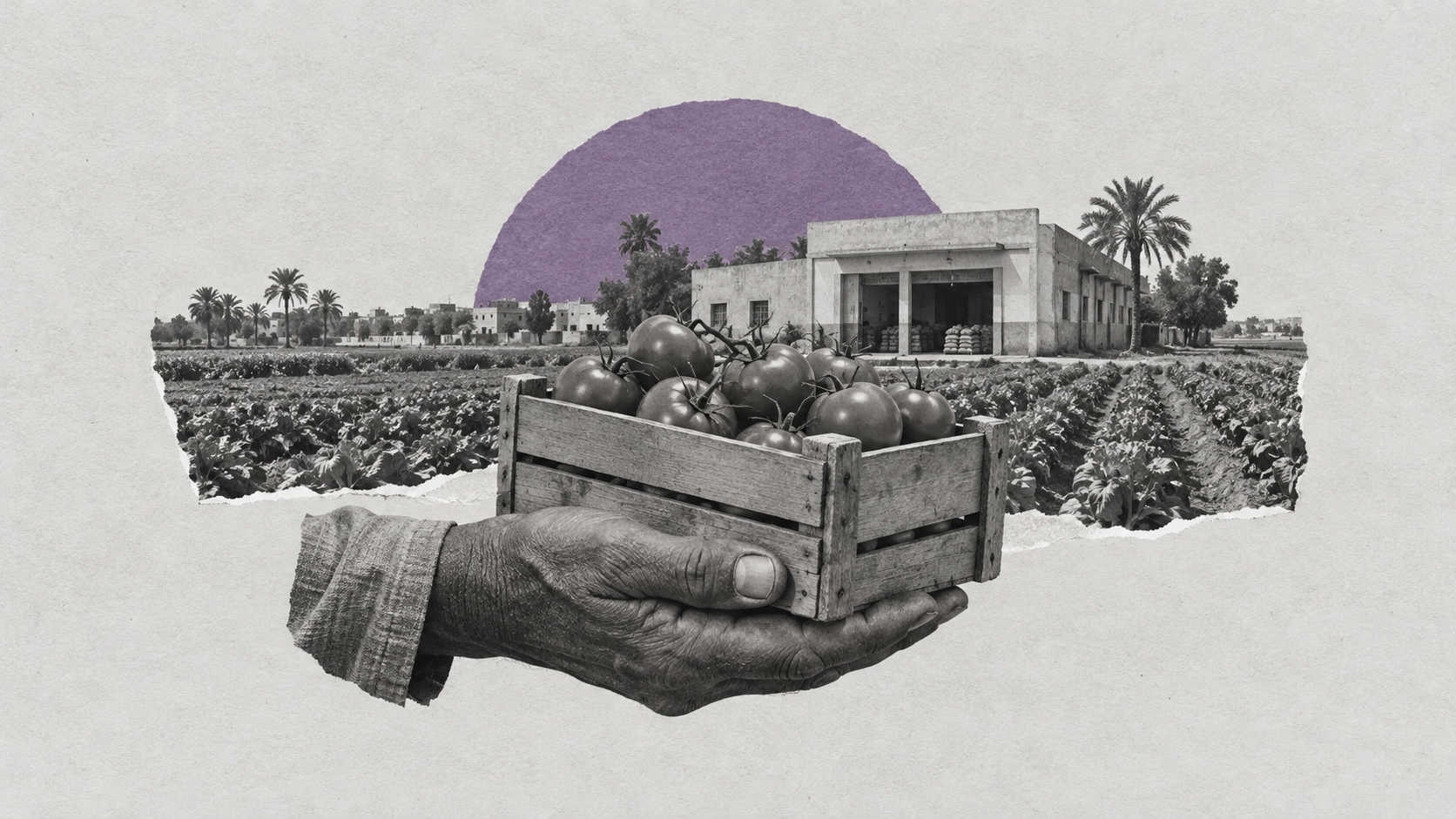


Once again, the specter of high prices threatens the lives of Egyptians. After years of austerity and subsidy cuts, the country continues to suffer from the effects of the global economic crisis, in a manner that almost surpasses the suffering of people in war-torn countries. The country’s decline in currency value against the dollar, along with rising prices and escalating inflation, brings back memories of crises Egyptians have been enduring for years.
Divergent Inflation Indicators
In 2023, inflation data in Egypt revealed announcements from different government entities about two distinct inflation indicators. The Central Agency for Public Mobilization and Statistics (CAPMAS) announced that the annual headline inflation rate reached 36.8% in June, compared to 32.7% in May, marking the highest level ever recorded at that time. Meanwhile, the Central Bank of Egypt (CBE) issued a statement indicating that the core inflation rate for urban areas, which excludes some highly volatile items, had reached 41% in June, reflecting a natural discrepancy due to the difference in the indicators used.
This disparity in the indicators highlights the difficulty in accurately measuring inflation amidst Egypt’s current economic volatility. It underscores the need for unifying the standards and methodologies used in calculating inflation rates and ensuring greater transparency in the dissemination of data, enabling decision-makers and citizens to make informed choices based on reliable information.
Despite this, the inflation rates in 2023 are reminiscent of what the country endured seven years ago, when the headline inflation rate reached its highest level since November 1986, at about 30.2% in February 2017. However, the levels of inflation witnessed in 2023 set new records, with core inflation peaking at 41% in June 2023. According to data from the Central Bank of Egypt, although the continuous rise in the prices of basic goods might suggest a different narrative.
Related article: How Egyptians Cope with the Impact of Inflation on Essential Goods

A Public Plan to Lift Subsidies
Recently, Prime Minister Mostafa Madbouly dealt a new blow to citizens by revealing a gradual plan to raise petroleum product prices over the next year and a half. The Prime Minister explained that this decision comes as part of the government’s efforts to achieve financial balance and sustain energy subsidies, which impose a significant burden on the state budget.
Madbouly pointed out that the ongoing increase in global oil prices, along with rising domestic consumption, has significantly widened the subsidy gap, forcing the government to bear increasing financial burdens that are unsustainable in the long run. This decision aims to reduce the burden on the state budget, achieve the necessary financial balance to implement various development projects, and encourage citizens to rationalize energy consumption and transition to more efficient alternative energy sources.
The Prime Minister assured that the government will take all necessary measures to mitigate the negative impacts of these increases on citizens by providing targeted social support programs for the most needy groups.
At the beginning of this month, in a government statement to parliament, the Prime Minister also stated that Egypt, like many countries around the world, has been affected by global economic crises that have led to sharp increases in inflation rates. He noted that Egyptian markets have seen significant price hikes for goods and products in recent periods, affirming that the state has taken numerous measures to reduce inflation rates nationwide. These efforts have already yielded positive results, with the annual inflation rate in Egypt showing a notable decline in recent months. According to his statements, the inflation rate fell from 39.7% in August 2023 to 27.4% in May 2024.
However, some risks identified by economic experts during their discussions with “Zawia3” threaten the continued downward trend in inflation. The gradual phasing out of fuel subsidies, which began recently, and the expected increase in electricity prices will lead to higher prices for goods and services, pushing the inflation index in the country upwards again. However, some analysts question the officially announced inflation figures in Egypt.
The Egyptian economy is expected to experience an escalating wave of inflation due to a combination of interrelated factors, according to economic expert Ezz Eldin Hassanein. He believes that Egypt suffers from several types of inflation, most notably demand-pull inflation, where prices rise due to increased demand for goods and services outstripping supply, driven by factors such as higher demand and increased production costs. The country also faces cost-push inflation, resulting from rising prices of imported goods due to higher global transportation and production costs and an excessive increase in money supply compared to the demand for goods and services, leading to currency depreciation and higher prices.
According to the economic expert’s perspective, another source of concern for citizens is inflation caused by rising local prices due to the increased costs of imported goods. Hassanein attributes one of the main reasons for inflation in Egypt to the exchange rate of the dollar. The rise in the dollar’s value leads to higher production and import costs, reflecting on the final prices of consumer goods. He warns of a new inflation wave that the country will experience with the rise in electricity and gasoline prices.
Hassanein suggests several proposed solutions, including continuing to withdraw excess liquidity from the market through measures taken by the Central Bank, such as auctions and open market operations, increasing the supply of goods and services by encouraging investment and boosting production, opening the door for importing essential goods, controlling the exchange rate by taking measures to strengthen the Egyptian pound, and implementing prudent fiscal and monetary policies to control the money supply and combat inflation.
Economic and finance professor at Cairo University, Medhat Nafeh, questions the officially announced inflation figures, arguing that the actual inflation rate in Egypt is much higher than official statistics suggest. He asserts that the country has reached a dangerous stage known as “hyperinflation,” where real inflation figures could exceed 50% monthly, indicating a frenzied and uncontrollable price increase that significantly impacts citizens’ lives. This aligns with the views of banking and economic expert Dr. Ezz Eldin Hassanein, who emphasizes that the main reason behind this sharp rise in prices is the ongoing economic crisis in Egypt, characterized by periodic shortages in foreign currency availability. This shortage has led to a rising exchange rate in the black market, prompting the government to devalue the pound multiple times to unify the official exchange rate with the black market rate. However, the high cost of importing essential goods continues to raise prices significantly for citizens.
Official inflation figures do not reflect the reality experienced by citizens, revealing a significant gap between statistical records and real life. The daily and rapid rise in prices indicates a much bigger problem than acknowledged by official figures, added Nafeh. He stressed that the ongoing situation would exacerbate the economic crisis and increase the suffering of citizens, especially those with limited incomes. Therefore, the government must take urgent and radical measures to address the root causes of inflation, primarily solving the underlying dollar crisis and providing essential goods at affordable prices.

Severe Financial Crisis
Over the past decade, Egypt has been grappling with an escalating and worsening economic crisis, manifesting in a dollar shortage, despite announcing an increase in foreign reserves at the Central Bank, which reached $46.383 billion by the end of June. However, the import bill remains high, adding to the state’s accumulated debts to international entities and their interest, alongside dues to energy companies operating in Egypt and deferred Gulf deposits over the coming months. This real shortage, as some funds within the foreign reserves are untouchable, negatively impacts the country’s ability to import essential goods, repay increasing external debts, and meet basic needs in the general budget, forcing authorities to resort to borrowing again. Adding to this crisis are significant geopolitical challenges, with Cairo experiencing negative repercussions from the ongoing conflict between Israel and Palestinian resistance in Gaza, the earlier Russia-Ukraine war, and the conflict in neighboring Sudan.
With a population exceeding 106 million, Egypt is the most populous Arab country. However, many Egyptians live at or below the poverty line, indicating an unequal wealth distribution and significant human development challenges. The crisis is exacerbated by a quadrupling of debt since 2015. A substantial portion of the loans taken by the authorities has been used to finance massive projects like the construction of the new administrative capital, infrastructure development, and arms purchases, as well as supporting the local currency exchange rate. Although this intensive investment approach aims at economic development on the surface, it has increased the fragility of the Egyptian economy, making it more susceptible to external shocks.
The inflation index measures the average change in prices of a basket of goods and services regularly purchased by consumers over a specific period. This index reflects changes in the cost of living and helps gauge the economy’s strength and the impact of economic policies on citizens. When a country experiences rising inflation, it signifies a continuous increase in the general price level of goods and services over a specific period. In other words, when prices of daily used goods like food, clothing, and transportation rise, inflation is at play.
Hany Genena, Chief Economist and Investment Strategy Analyst at Cairo Financial Holding, expects Egypt’s inflation rate to rise again, attributing this to the recent fuel price hikes, which usually lead to an approximate 2% increase in the monthly inflation rate. He pointed out that the recent increase in fuel prices, including the hike in diesel prices used in most commercial activities and services, is likely to push the annual inflation rate higher again in the coming period, leading the country into a state of “cumulative inflation” that the state tries to avoid by spacing out the timing of subsidy cuts on essential goods.
Hany Genena further explained to “Zawia3” that inflation, reflected in the continuous rise in prices of goods and services, warns of further erosion in the purchasing power of the Egyptian pound and a deterioration in citizens’ living standards, especially those with limited incomes.
The economic expert attributes this inflation to several interrelated factors, most notably the repeated increases in energy prices and their direct impact on production and transportation costs. The devaluation of the pound also raises the cost of imported goods, driving inflation higher. Additionally, increased demand for goods and services, resulting from population growth and rising incomes, adds further pressure on prices. Global events, such as conflicts and wars, directly affect the prices of essential goods, which in turn impact local prices.
Related article: IMF Cuts Egypt’s Growth Forecast Amid Soaring Inflation Concerns
Reckless Management
Timothy Kaldas, an analyst at the Tahrir Institute for Middle East Policy in Washington, stated: “Egyptians are truly stuck. Because of the regime’s reckless behavior in managing the economy, Egypt has now become highly vulnerable. This IMF agreement prevents them from failing, but it imposes many conditions on Cairo in a way that it didn’t in the past.”
Since the last loan agreement, foreign investors have slowly returned. Dollars have flowed back into Egypt, and imported goods have begun to be released from ports, raising hopes for a decline in inflation from its five-year high of 21%, according to The New York Times. However, these levels quickly rose again in 2023, reaching up to 41%.
According to Kaldas, most Egyptians continue to struggle, as they have for years, with the government tightening spending on public health care, education, and subsidies. Despite receiving a $12 billion loan from the IMF in 2016, the economy struggled to generate stable jobs or reduce poverty. Even before the COVID-19 pandemic hit the Egyptian economy in 2020, the World Bank estimated that nearly 60% of Egyptians were considered poor.
Now, more people are descending into poverty, even though Egypt has recently bolstered social welfare programs and temporarily postponed subsidy cuts on bread and petroleum products. However, it recently resumed the gradual lifting of subsidies on bread and plans to continue doing so for fuel.
How is Inflation Calculated?
The Central Agency for Public Mobilization and Statistics (CAPMAS) calculates the inflation index through a comprehensive field survey involving thousands of Egyptian households across the republic. A team of researchers visits these households periodically to collect data on the prices of a wide range of goods and services, including food, clothing, rents, and even services like haircuts and skincare, according to Safaa Sami, head of the Central Administration for Economic and Financial Statistics at CAPMAS.
Sami added that this comprehensive survey aims to track price changes across the country by monitoring around 1,200 goods and services regularly. The monitoring frequency varies depending on the nature of the good or service; for instance, vegetable and fruit prices are tracked frequently due to their price volatility, while electrical appliance prices are tracked less frequently. CAPMAS relies on official data from government agencies for some services, such as traffic licenses and birth certificates, to ensure data accuracy. For educational services, prices are monitored once a year in October.
… This survey aims to provide an accurate picture of inflation in Egypt, helping decision-makers take appropriate measures to address the country’s economic challenges.