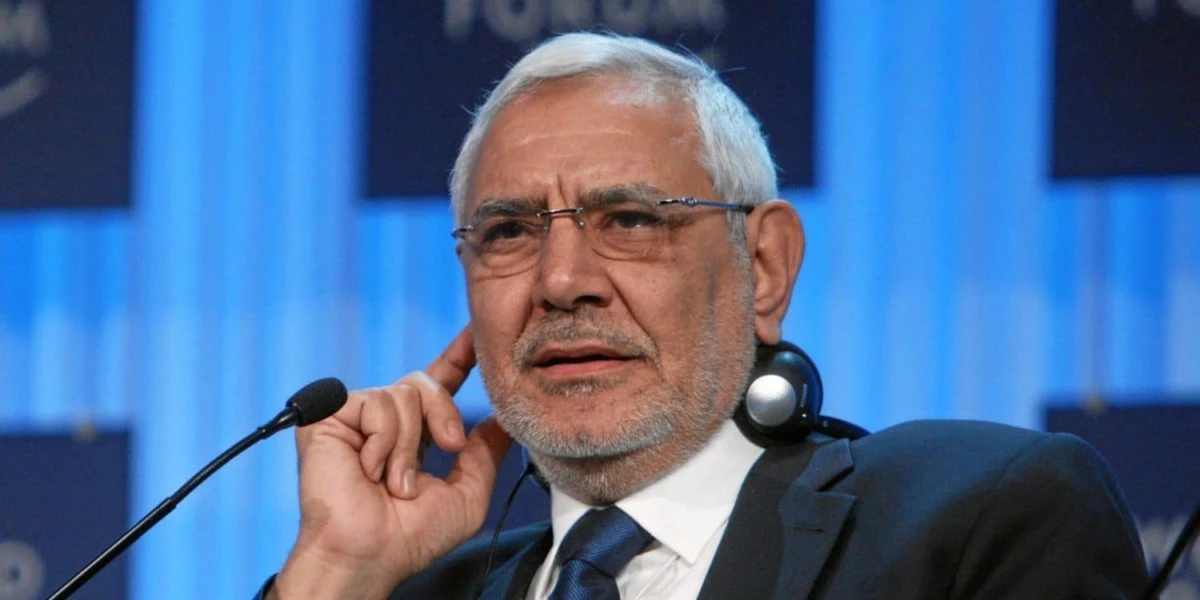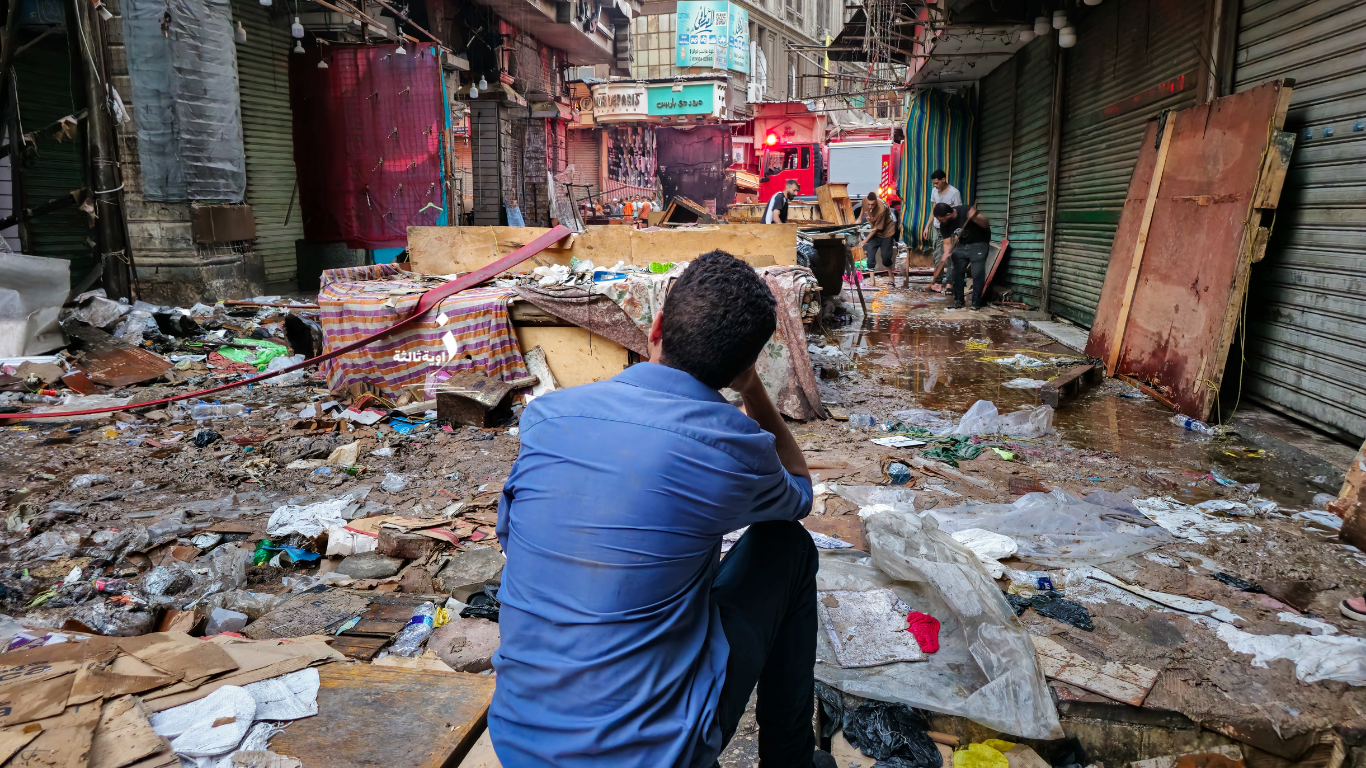


Supply Minister Under Accusation Before MPs
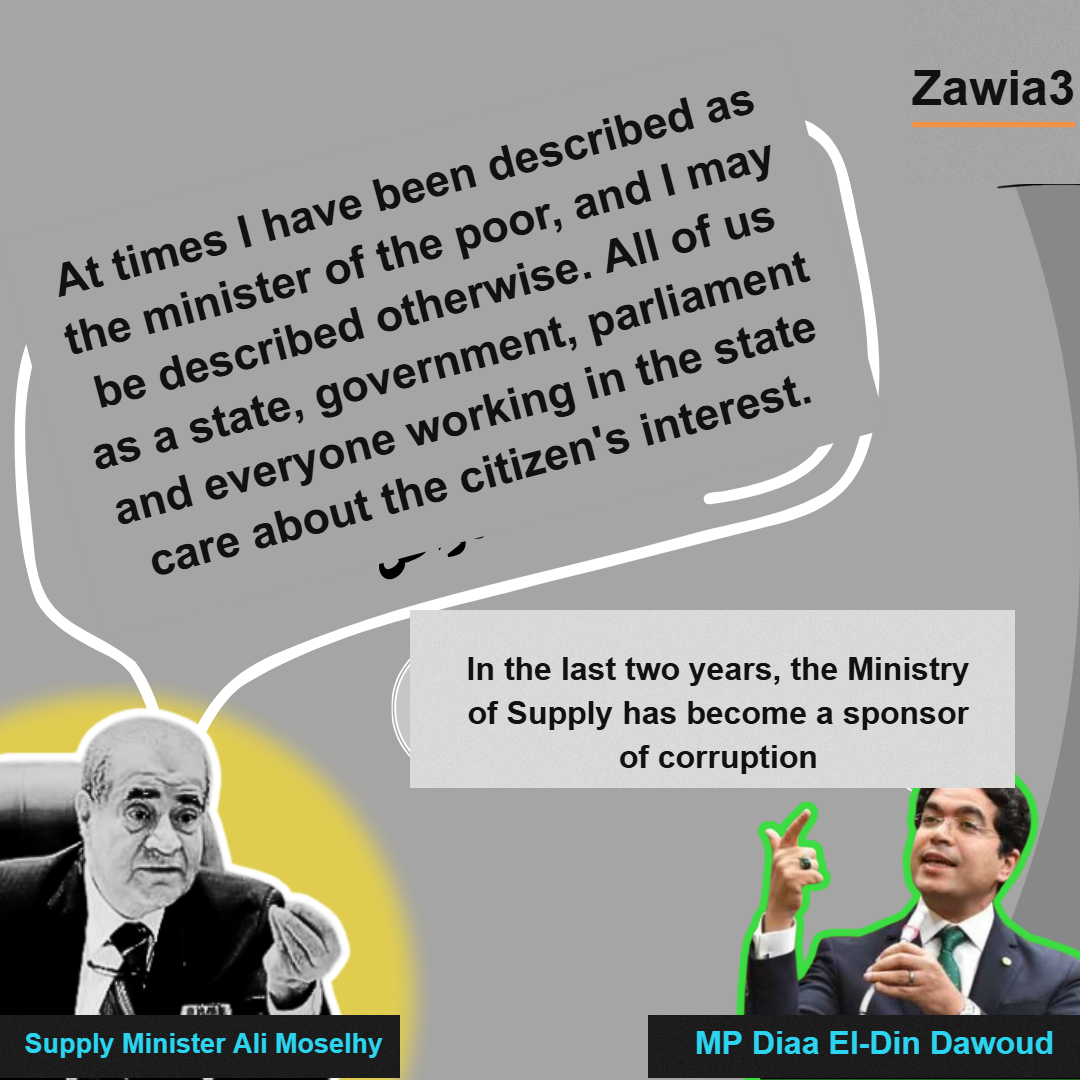
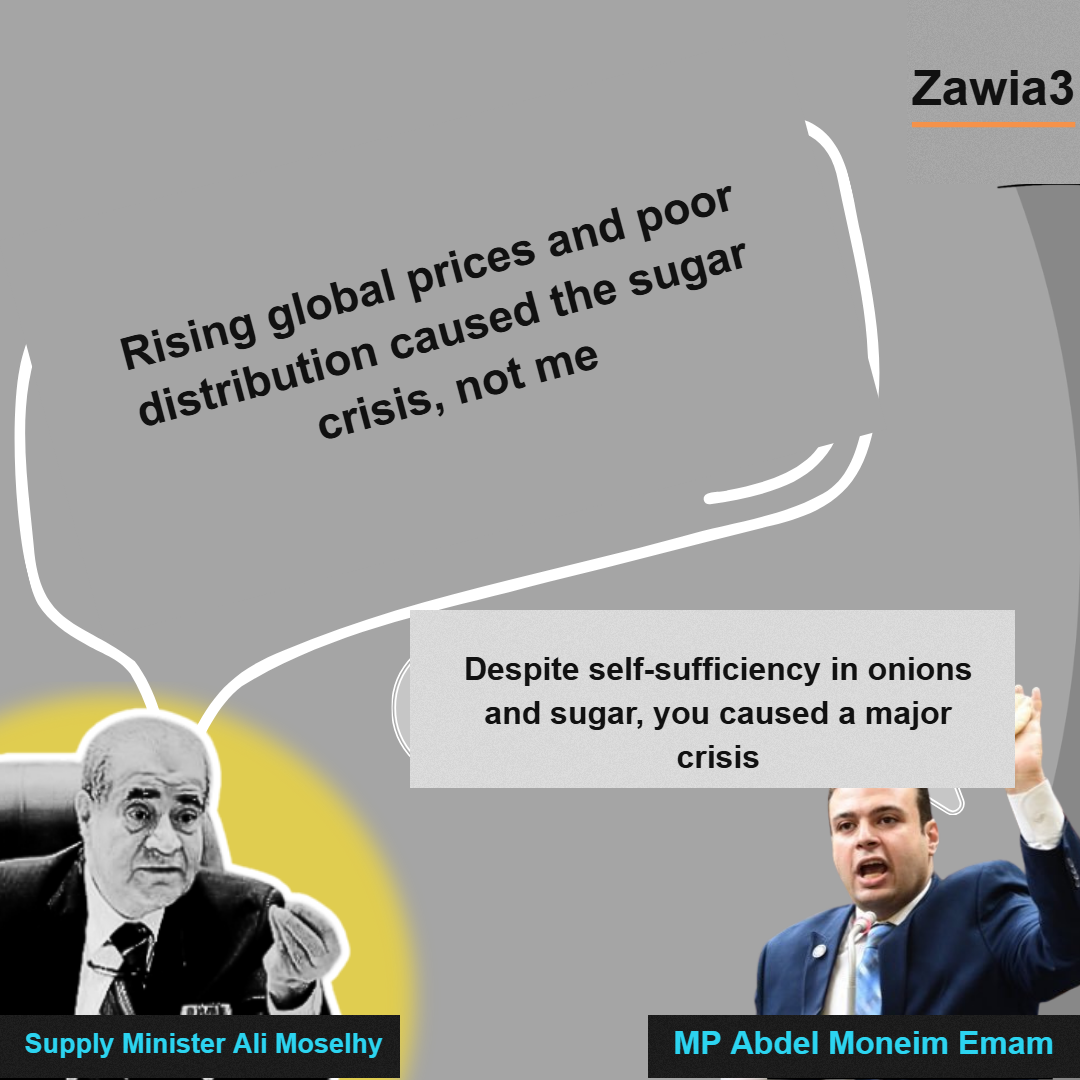
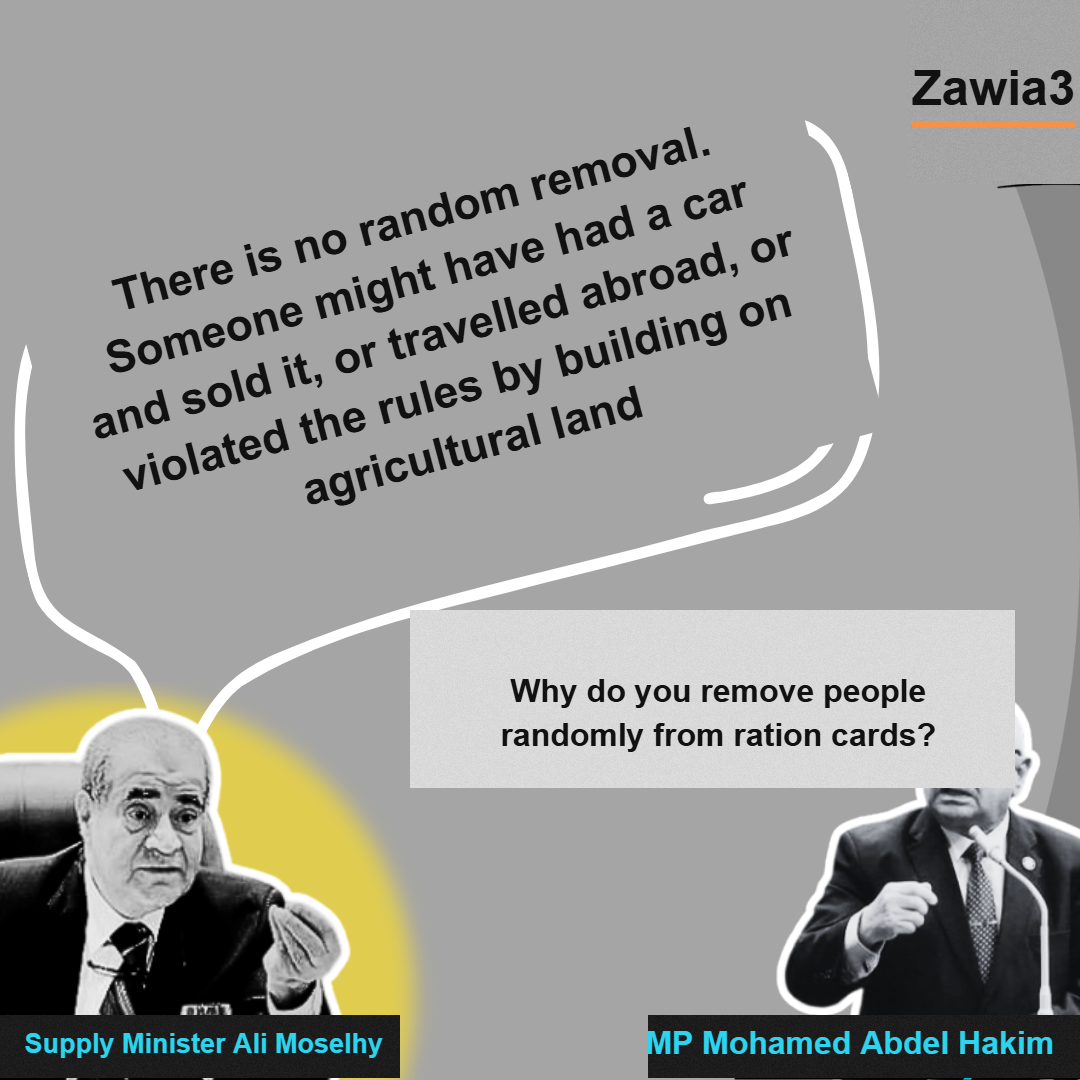
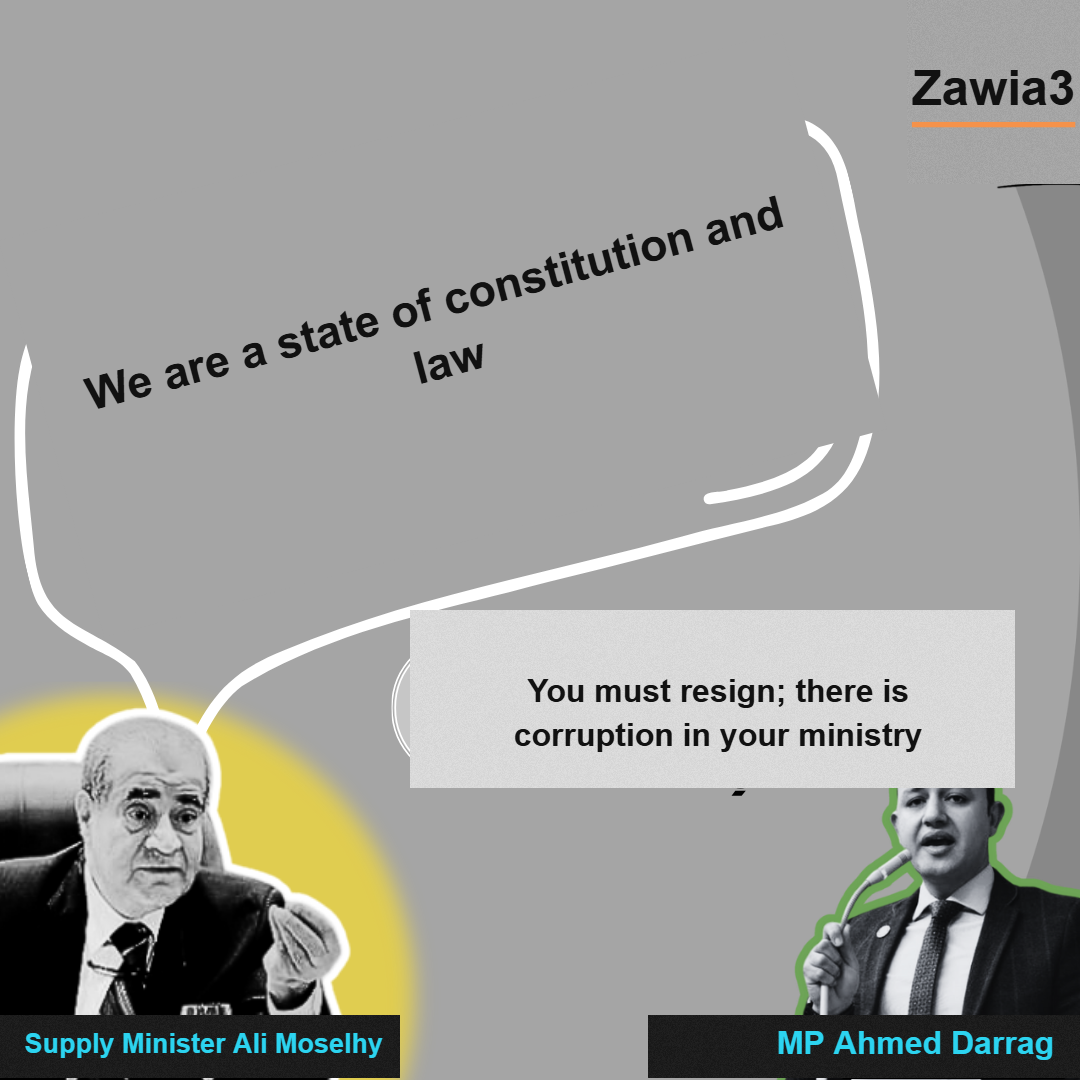
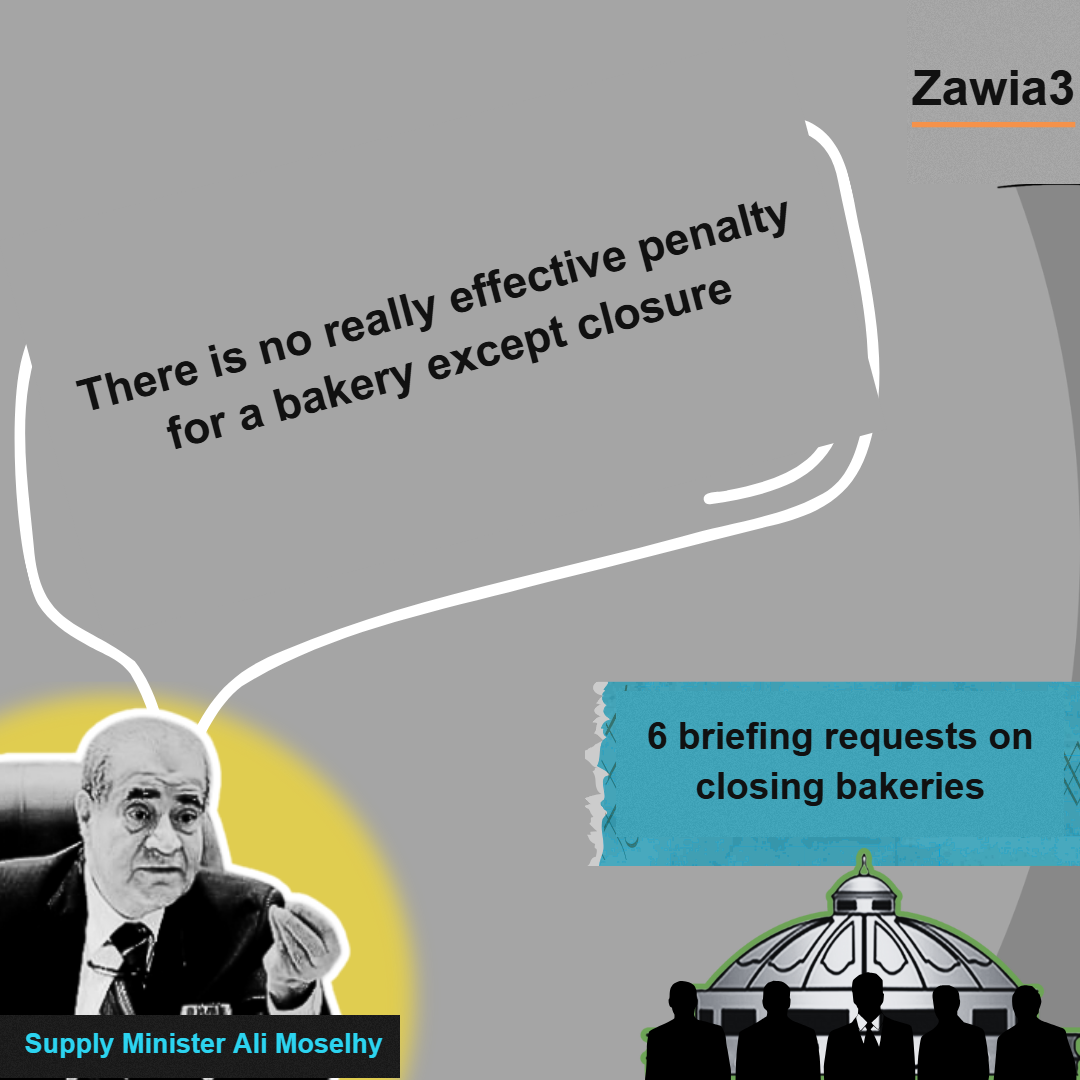
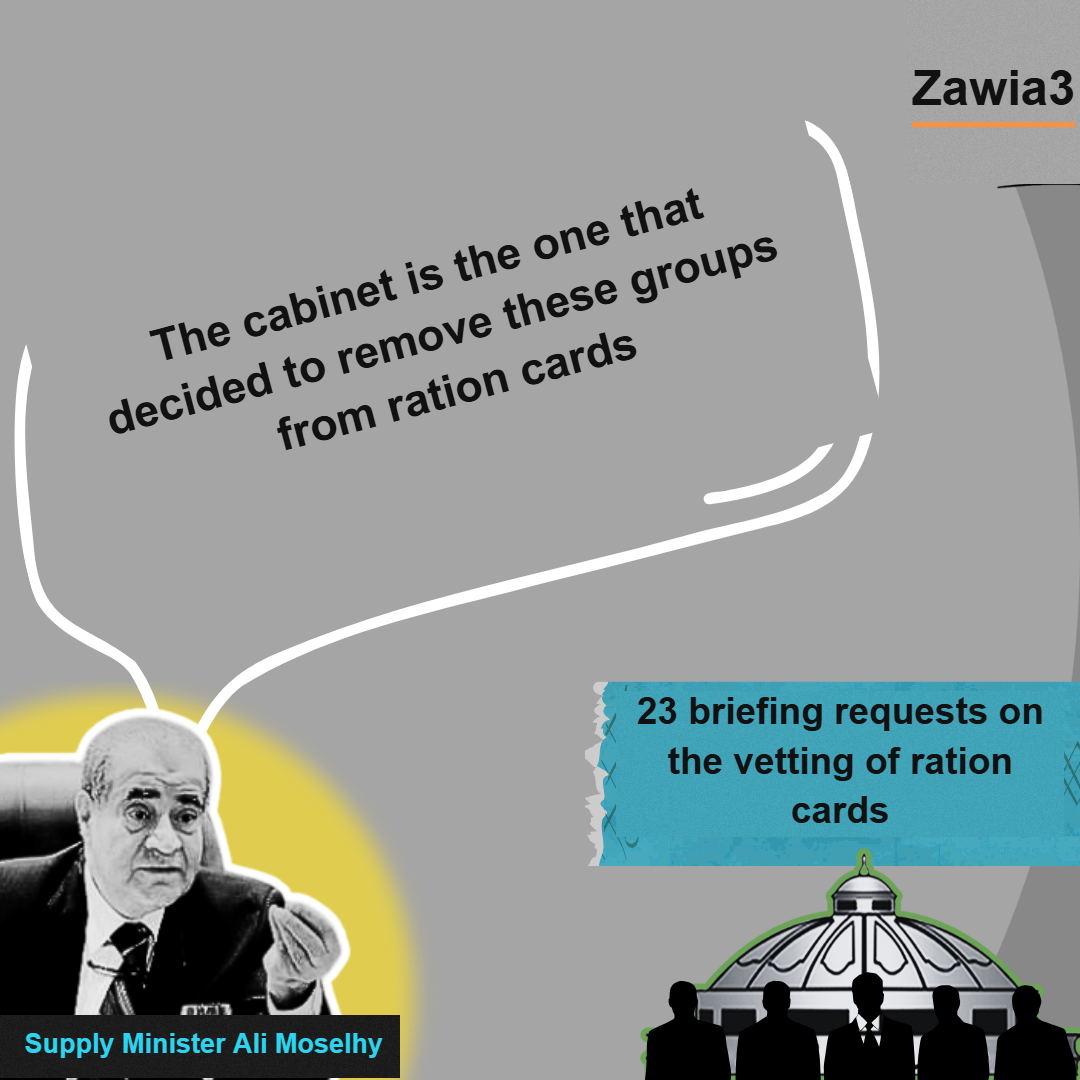
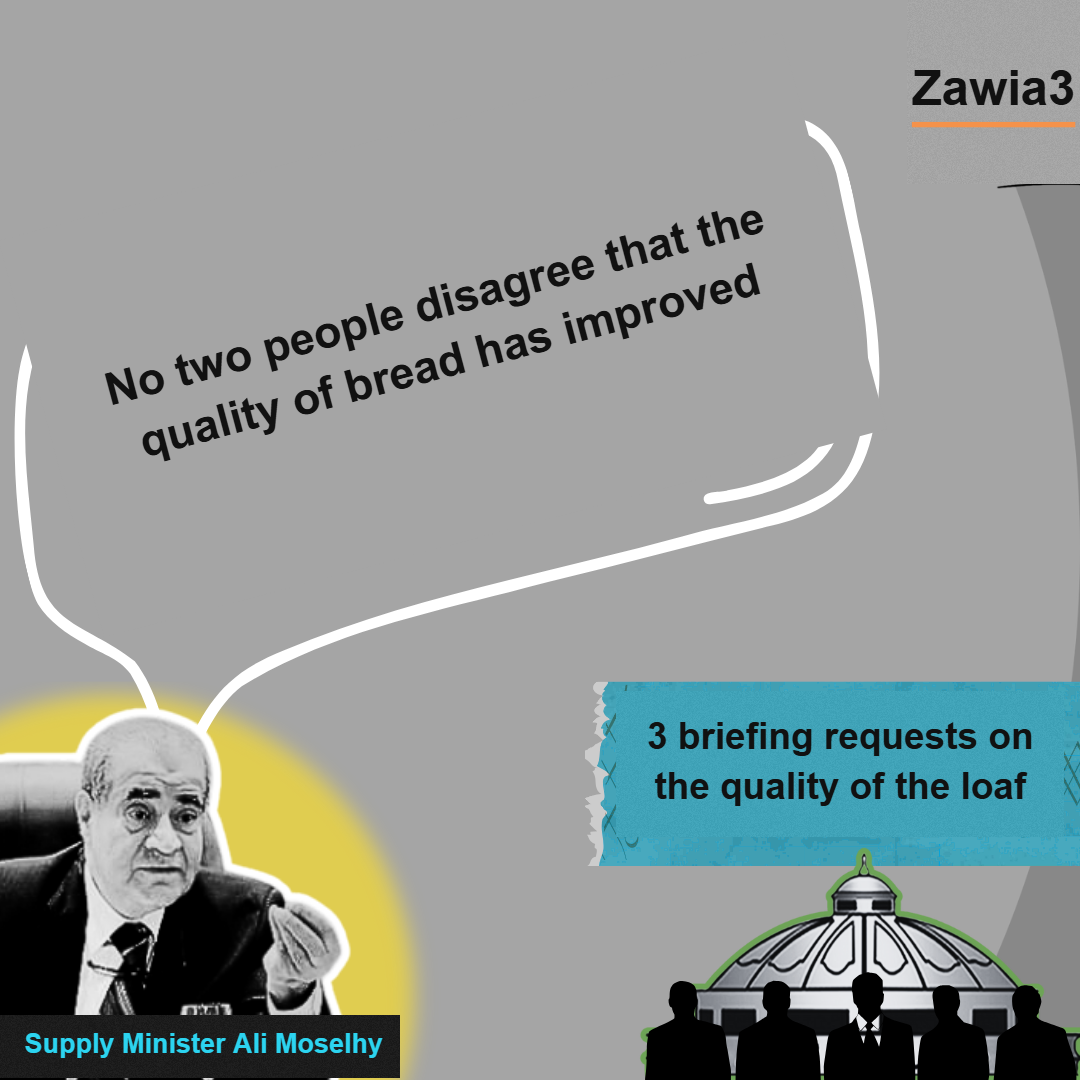
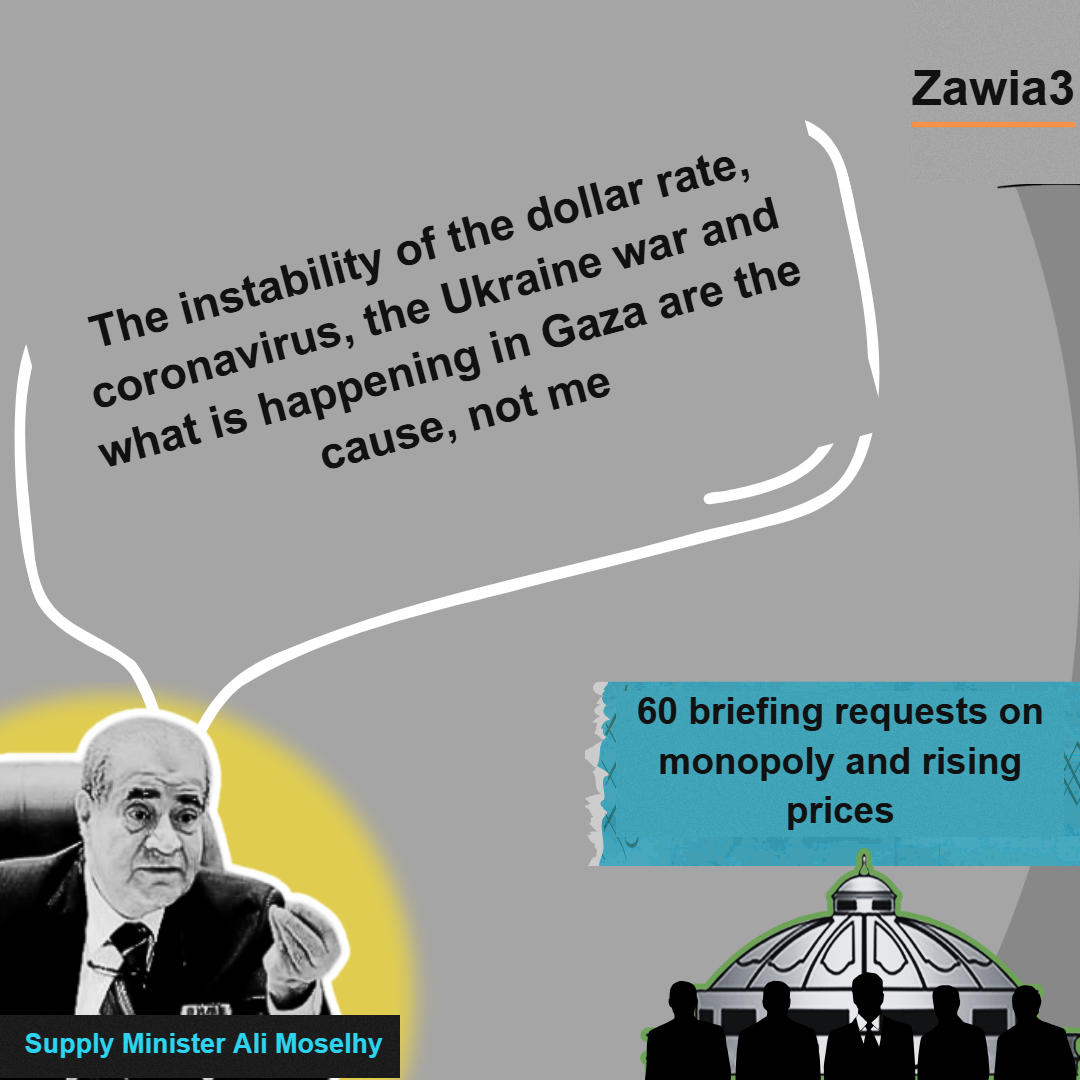
A number of MPs attacked Supply Minister Ali Moselhy in the opening session of parliament, demanding his resignation as a result of his utter failure in managing the prices and commodities file, as some of them described it.
Accusations and questions were directed at the minister in the form of 91 briefing requests.
A simulation of what happened in the session:
Kuwaiti Investments Withdrawn From the Egyptian Market
Kuwait’s Alshaya Group, one of the largest operators of retail brands in the Middle East, decided to close some of its stores in Egypt as a result of the deteriorating economic situation and the decline of the local currency, as the official exchange rate reached EGP 30.9 to the dollar in banks, while the rate on the parallel black market exceeded EGP 56, at a time when the government confirmed the crisis would continue over the next six years, which pushed the Kuwaiti investment group to exit the Egyptian market.
Among the most prominent brands managed by the Kuwaiti Alshaya Group, founded in 1890, are “The Body Shop”, “Debenhams”, “Mothercare” and “Pinkberry”, which are the outlets nominated for complete closure, while there will be a partial closure of “H&M”, “Victoria’s Secret”, “American Eagle” and “Bath & Body Works” stores.
The group decided to terminate the employment of about 375 employees out of a total of 2,000 working for it in Egypt, along with closing five brands, reducing the branches of three brands and closing two online sales platforms, out of a total of 12 brands the group has in Egypt.
According to estimates by the Egyptian Ministry of Finance, since the beginning of the Russian-Ukrainian war Egypt has lost a number of capital holders and foreign investors, leading to the exit of hot money estimated at about $22 billion. Hot money is defined as financial flows from outside the country for the purpose of investing and benefiting from a particular economic situation, such as a low local currency rate against the dollar or high interest rates. Hot money enters in the form of investments in treasury bills or bonds, which are instruments through which the government borrows.
Suez Canal Tonnage Down 11%
The “PortWatch” platform, which specialises in tracking ship movements and is affiliated with the International Monetary Fund, revealed that tonnage passing through the Suez Canal declined by about 11% in the period from 19 November to 14 January, reaching 242.5 million tonnes, compared with 273 million tonnes in the same period last year.
The number of container ships fell to 2,453 compared with 2,693 in the same period last year, while oil tankers numbered 1,260 compared with 1,379. Tonnage passing in the first half of the current month fell to 40.7 million tonnes, a decline of 40% from the same period last year, when the tonnage passing was about 65.1 million tonnes, with a decline at the time of 30%.
An Overall State Budget Deficit of 4.95% of GDP
The general budget recorded an overall deficit of 4.95% of GDP in the period from July to December (2023-2024), according to Finance Minister Mohamed Maait at the cabinet meeting on Wednesday.
The minister said: “The period referred to saw a continued improvement in the structure of expenditure with the exception of the debt service bill, and there is an annual increase in total expenditure of 56% with regard to spending on government investments, the Insurance and Pensions Fund, payment of the monthly instalments due, and cash support for the (Takaful and Karama) programme at an annual growth rate of 14%. Expenditure on the education sector also increased to reward workers and provide the needs of the educational system at a growth rate of 16%, in addition to financing all the needs of food commodity subsidies, as well as financing medicine needs, along with increasing expenditure on the health sector to reward medical staff and provide medical needs and supplies at an annual growth rate of 36%”.
At the same time, Egypt must repay foreign loans worth $42.8 billion during the first 9 months of the current year, according to the latest debt schedule announced by the World Bank. The amounts due include $6.31 billion in interest and $36.46 billion in loan principal, and about $21.13 billion in obligations due from the Central Bank, mostly Gulf deposits that are constantly renewed and that were agreed to be extended until the end of Egypt’s programme with the International Monetary Fund.
Egypt Imports Wheat Worth $1.236 Billion
The Ministry of Supply and Internal Trade has bought imported wheat worth $1.236 billion from the beginning of the current fiscal year until this January.
According to the ministry, it bought the wheat at an average of $277.16 per tonne including transport and shipping costs, and during the previous period wheat was imported from Russia, Romania, Ukraine, France and Bulgaria: 2.920 million tonnes of Russian wheat, 780,000 tonnes of Romanian wheat and 360,000 tonnes of French wheat, while about 270,000 tonnes were imported from Bulgaria and 120,000 tonnes of Ukrainian wheat. The General Authority for Supply Commodities, on behalf of the Ministry of Supply and Internal Trade, contracted through an international tender to buy 360,000 tonnes of French and Russian wheat, to be delivered next March. Cairo is also awaiting the announcement of new tenders to import quantities of wheat sufficient for local consumption.
As part of the import operations Cairo is undertaking, in an attempt to achieve sufficiency of the strategic commodities essential for Egyptian citizens, the General Authority for Supply Commodities contracted for 100,000 tonnes of imported raw sugar, in addition to the quantities previously contracted, which are:
- 50,000 tonnes contracted by the Sugar and Integrated Industries Company.
- 50,000 tonnes contracted by the General Authority for Supply Commodities.
- 50,000 tonnes contracted by the Dakahlia Sugar Company.
This achieves a strategic sugar reserve sufficient until next July.
Egypt Loses 600,000 Tourists Because of the Gaza War
In his meeting with the cabinet last Wednesday, Egypt’s Minister of Tourism and Antiquities, Ahmed Issa, presented the numbers of tourists arriving in Egypt during the year just ended, pointing to the reception of nearly 14,906,000 tourists last year, compared with the record unbroken since 2010, of about 14,731,000 tourists. The number of arriving tourists thus increased by 27.4% year on year, recording its highest level in the history of Egyptian tourism, with revenues estimated at about $12 billion annually.
He added that the fourth quarter of 2023 saw strong demand in inbound tourism to Egypt, recording 3,600,000 tourists, an increase of 8% compared with the same period of 2022, but 600,000 tourists fewer than planned, as a result of the war on Gaza.
The minister pointed out that the number of incoming flight seats to Egypt increased from 561,852 seats in August 2022 to 698,779 seats in October 2023. But the outbreak of the war raging in Gaza since 7 October between the Palestinian resistance factions and the Israeli occupation forces contributed to the cancellation rate of bookings received by the global Egyptian tourism group “Travco” reaching 50% of total bookings, which affected the sector. The most prominent nationalities that rushed to cancel their bookings were American and Canadian, and to a lesser extent European nationalities.
27,000 Trainees to Be Qualified for Work Abroad
The government has begun training 27,000 trainees, 1,000 trainees from each governorate, with the aim of qualifying them for the labour market, as part of the government’s (Mehany 2030) project to export one million Egyptians to work in foreign and domestic markets.
The first training day saw the launch of a training course for workers at directorates and representatives of the Central Administration for Vocational Training in 12 governorates, at the ministry’s headquarters. The ministry aims to register the data of 670 vocational training centres in the project, and after their training they will be among those responsible for qualifying one million young men and women in the professions required in the foreign and domestic labour market.
Telecom Egypt Shares Hit a Historic High
Shares of Telecom Egypt (WE) exceeded the EGP 40 barrier for the first time in their history during midday trading yesterday, Wednesday, with the share recording EGP 41.49.
The company obtained a licence to operate fifth-generation mobile networks from the Egyptian government, represented by the National Telecom Regulatory Authority, worth $150 million, in return for operating 5G services for 15 years, without obtaining renewals or additional privileges after the end of the term.
Telecom Egypt also announced on Monday its cooperation with Zain Omantel International “ZOI” to establish a digital corridor linking the Mediterranean, the Arabian Sea and the Arabian Gulf region, making it an unprecedented route for transferring data between the continents of Asia and Europe, through an infrastructure of planned land and sea routes extending from the coasts of the Sultanate of Oman overlooking the Arabian Sea and the Arabian Gulf to the Mediterranean coast of Egypt.
Armed Clashes on the Egyptian Border
Armed clashes broke out on the border between Egypt and occupied Palestine on Monday night, specifically near the Al-Awja crossing, and the Egyptian and Israeli accounts conflicted over the identity of the people who infiltrated near the crossing, which is controlled by the occupation.
Cairo announced that it was an attempt to foil drug smuggling, and the army’s statement confirmed the killing of one person without identifying him, in addition to the arrest of six smugglers, while foiling the smuggling of a shipment estimated at about 174 kilograms of drugs, and the army said an exchange of fire took place during the incident.
Meanwhile, the occupation authority said 20 armed infiltrators clashed with its forces and inflicted heavy losses, which led it to call in a number of Apache aircraft and fighters to control the attack, which, according to Hebrew newspapers, may have been an act of revenge or a fedayeen operation by Egyptians.
$15 Billion to Rebuild Gaza
The head of the Palestine Investment Fund, Mohammad Mustafa, announced in his speech at the World Economic Forum in Davos that rebuilding Gaza after the end of the war of genocide the Palestinian people are facing in the Strip may cost more than $15 billion.
It is worth noting that since 7 October the Israeli occupation army has continued destructive attacks on the Gaza Strip that have left, as of yesterday, Wednesday, 24,448 dead and 61,504 injured, and the war has also caused the displacement of more than 85 percent (about 1.9 million people) of the Strip’s population, and the injury of about 61,504 people. The occupation has also committed more than 2,000 massacres against Palestinian families, resulting in the destruction of 65,000 housing units and damage to 260,000 other units.
Somalia on the Arab League Negotiating Table
The Arab League Council of Foreign Ministers met to discuss the request submitted by Somalia, rejecting the conclusion by Somaliland, a region that declared its secession from Somalia in 1991, of an agreement with Ethiopia granting it the right to use 20 kilometres in northwestern Somalia on the Red Sea.
The emergency session of the Arab League Council at ministerial level issued a resolution affirming support for the security, stability, unity and sovereignty of Somalia and its territorial integrity, solidarity and full support, considering the “memorandum of understanding” between the Republic of Ethiopia and the Somaliland region null, void, unacceptable and a flagrant violation of the principles of international law, and stressing that Somaliland is an integral part of the Federal Republic of Somalia.
The resolution also affirmed support for Somalia’s efforts to resort to the International Court of Justice to condemn this measure as a blatant aggression on Somali sovereignty and unity.
Ethiopia has sought for three decades to obtain a coastal outlet, after losing its Red Sea coast following Eritrea’s independence from it in 1993 after a long war, so on 1 January this year it concluded a preliminary agreement with the “Somaliland” region, under which Addis Ababa gains access to the Red Sea in preparation for establishing an Ethiopian commercial naval base near the port of Berbera on an area of 20 square kilometres for 50 years, according to the agreement, in exchange for the Ethiopian government recognising “Somaliland” as an independent state, and “Somaliland” obtaining a 20% stake in Ethiopian Airlines, whose revenues reached about $6.9 billion according to 2022 statistics.