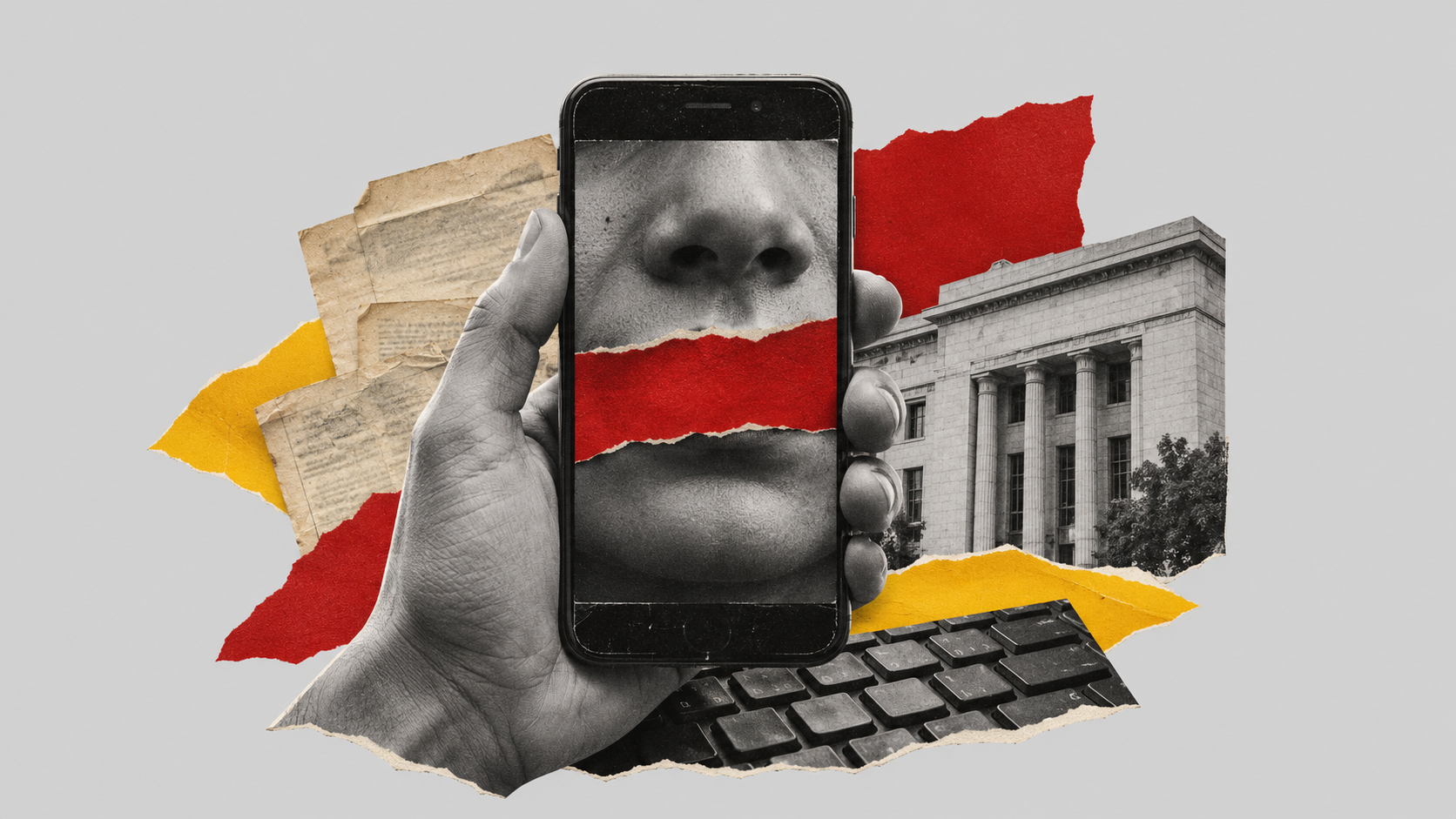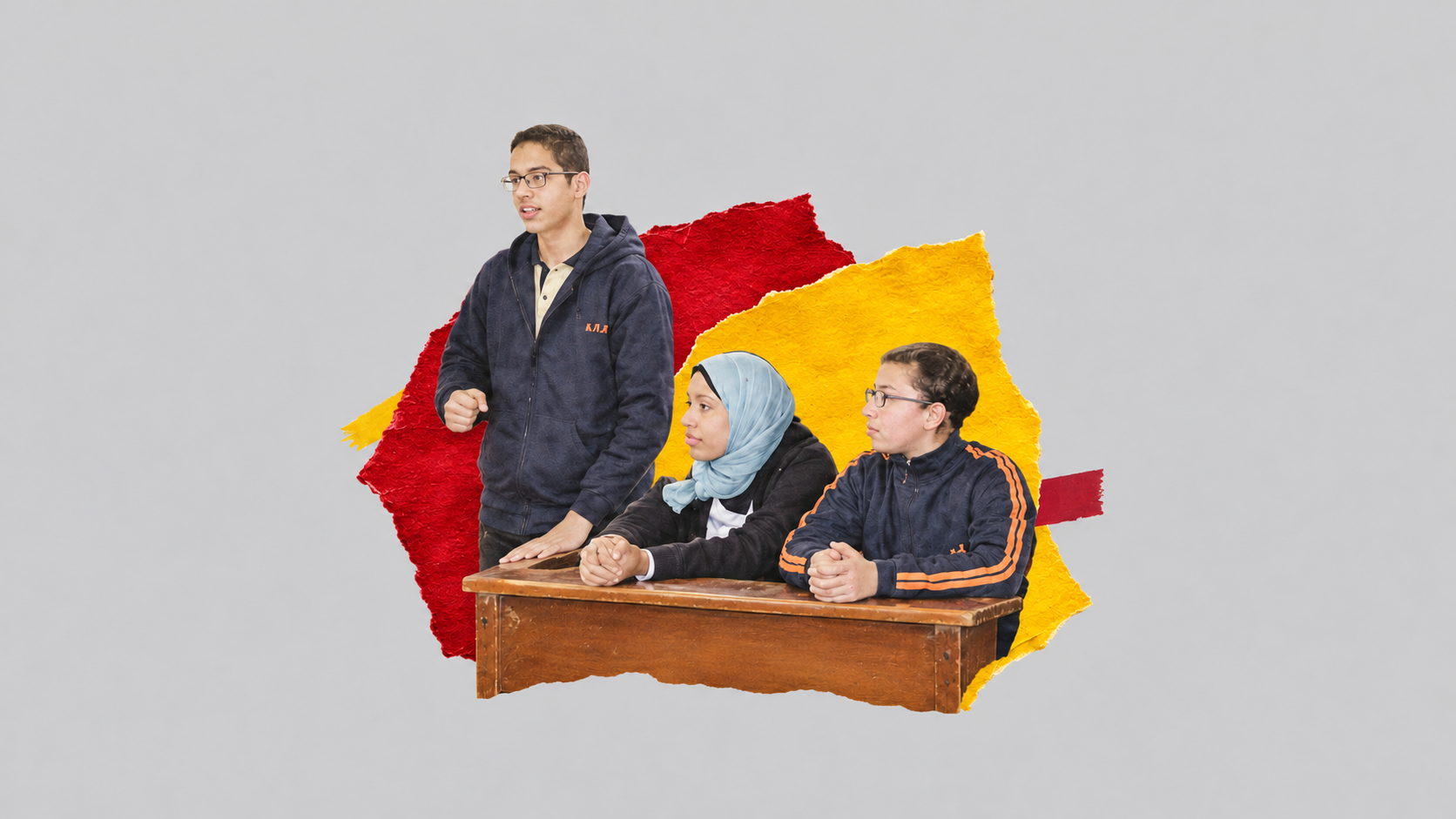


Egyptian MP Amal Abdel Hamid is holding on to her proposal calling for “caning” in schools in order to restore what she called “the teacher’s prestige” and to give teachers broader powers of discipline and punishment. The MP defended her proposal on 4 satellite channels and in a number of print newspapers, and considered that she had not erred in her proposal and that it is a (very) necessary proposal to improve the level of education. Abdel Hamid said in a parliamentary session: “We tried the educational methods coming to us from the West, and the result is that we created generations with moral laxity.”
The MP’s proposal came a year after the death of the child Basmala, 10, at Mansoura University Emergency Hospital, after she suffered internal bleeding in the brain and disturbances in her level of consciousness as a result of being beaten harshly by an Arabic language teacher for a mistake in dictation.
Human rights lawyer Nabeh Elganadi expressed his astonishment at the MP’s proposal, saying that she “should issue legislation to protect citizens, especially children, not degrade them and help destroy children’s psyches and harm them”. Elganadi explained to Zawia3 that “a parliamentarian represents the people and should not demand something that violates the law, the constitution and the international treaties signed by Egypt”.
Elganadi explained that “the Education Law criminalises beating in schools, and the law punishes a teacher who assaults students with a beating that does not result in injury with imprisonment from 24 hours to 3 years, with 10 years’ imprisonment if there is an injury, and with life imprisonment if the assaulted child suffers a permanent disability”.
Psychological Impact
Confirming Elganadi’s statement that beating children may “lead to serious psychological problems”, the University of Texas presented, in June 2021, a summary of a review of 69 studies, all of whose evidence indicated that physical punishment harms children’s development and well-being; it confirmed its failure to reduce children’s behavioural problems or to promote positive outcomes, and predicted more problems instead.
According to a study published by the journal “Educational Psychology” in 2020, researchers observed 2,536 children from kindergarten to sixth grade, and the children indeed showed up to 20% more focus on the tasks assigned to them in the classroom, and up to 30% when phrases of praise were repeated to them, compared with children who were reprimanded.
In addition, the Family Research Laboratory at the University of New Hampshire presented the result of a study spanning more than 4 decades of research on more than 7,000 American families, together with the results of a study covering 32 countries, to measure the extent of the future impact of spanking and slapping on children.
The study showed the high cost of beating children for the purpose of disciplining them, as beating slows the child’s mental development and leads to academic failure and the likelihood of involvement in crimes in the future.