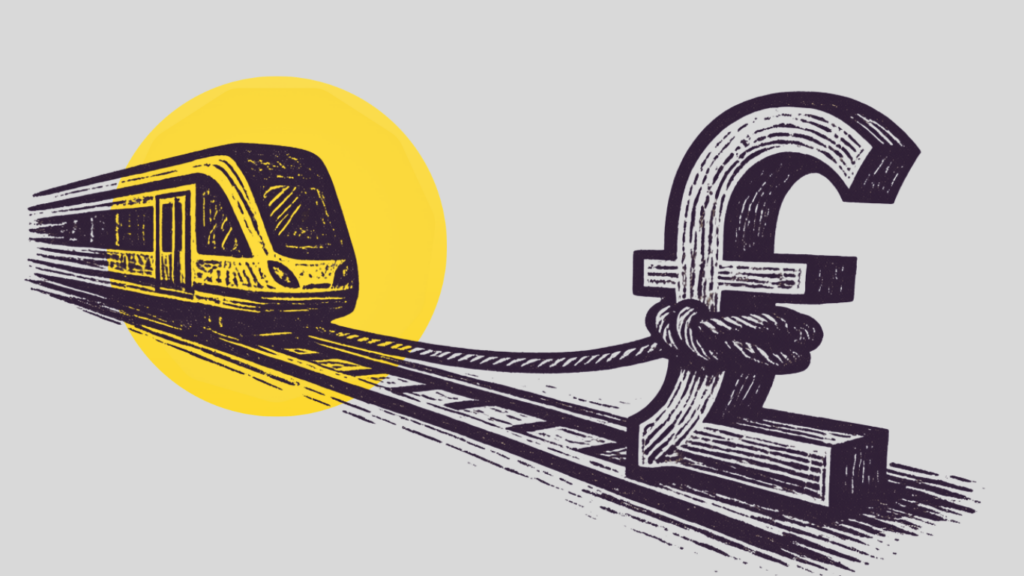

Egypt’s Parliament approved four financing agreements totaling $332 million to complete the light rail transit (LRT) project. MPs objecting to the loans called for an end to continued borrowing, warning about debt-service costs exceeding 80% of government revenue between July 2025 and January 2026.
Parliament’s approval came days before President Abdel Fattah al-Sisi spoke against continued reliance on borrowing for citizens’ needs. He said it was neither logical nor fair to keep borrowing foreign currency for these requirements, including gas and other goods, while petroleum products must remain available for power stations and factories.
The government and supportive MPs defended the railway as a vital link between the New Administrative Capital and industrial areas. Critics questioned spending billions on stations in sparsely populated cities while provincial roads deteriorate and public debt intensifies economic pressures.
The $332 million agreements fund the third phase connecting the New Administrative Capital and 10th of Ramadan City. Government reports describe the phase as a 20.4-kilometer extension from Arts and Culture station to Central Capital station.
Parliament approved Presidential Decree No. 652 of 2024 covering a framework agreement for a concessional loan of CNY 1.465 billion, and Decree No. 479 of 2025 for a $200 million concessional loan repayable in Chinese yuan.
The Export-Import Bank of China provides the funding with a Finance Ministry guarantee. Terms include annual interest of 2%, repayment over twenty years and a five-year grace period, with a fixed government repayment schedule.
Large debts
Opposing MPs regard spending billions on transport infrastructure in cities with few current residents as a distortion of spending priorities. Maha Abdel Nasser, an Egyptian Social Democratic Party MP, says her principal objection is that this third phase is not an urgent priority.
She told Zawia3 that the international geopolitical crisis and higher oil prices have increased living costs, making the project’s multibillion-pound spending inappropriate to present economic conditions.
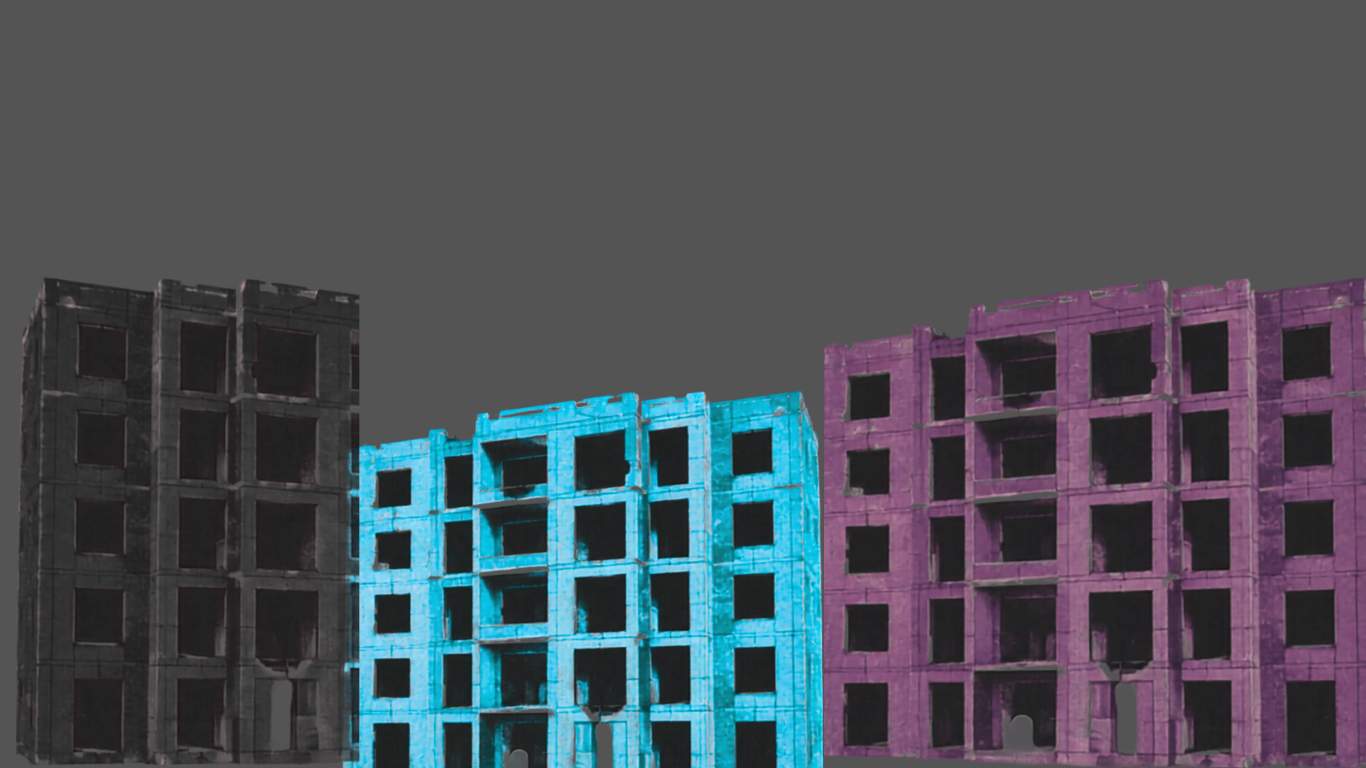
The third phase includes four stations within the New Administrative Capital. Abdel Nasser says the capital does not yet have a population large enough to justify mass transit on this scale.
She criticizes borrowing for a phase whose total cost she puts at EGP 32 billion, half financed through loans. Completing the route to 10th of Ramadan City would require another half a billion dollars, she says.
These loans increase debt-service obligations that already consume more than two-thirds of government spending, Abdel Nasser argues. There is no clear strategy for accumulated debt, while the government continues borrowing large sums for nonessential projects despite referring to debt-reduction committees.
The official response is that work has already begun and must be completed. She describes this as logic that ignores current economic conditions. She also expresses surprise at support from some opposition MPs, including Diaa Dawoud, and strongly disagrees with that position.
Critics also reject the lack of effective oversight of foreign borrowing. They argue that expanding expensive transport schemes such as the monorail and LRT pressures foreign currency reserves and increases vulnerability to external shocks instead of directing resources to productive sectors generating sustainable income.
Opposition MP Diaa al-Din Dawoud explained his support in Parliament as his first approval of such borrowing, because the project belongs to an existing development plan. Completing it, he said, would prevent ongoing projects from stalling amid the capital’s urban expansion and ensure infrastructure and transport development.
Egypt’s debt-service burden has risen sharply. External debt reached approximately $163.7 billion in September 2025, around $8.6 billion higher than at the beginning of 2024.
What is the return?
The LRT operates electrically using overhead power lines and energy-storage equipment such as batteries or supercapacitors.
The first two phases opened on July 3, 2022. The route extends from Adly Mansour interchange in al-Salam, east of Cairo, to Arts and Culture City station in the New Administrative Capital. It covers 68.8 kilometers with twelve stations: eleven at ground level and one elevated.
The third phase extends south from Nativity of Christ Cathedral station to Central Capital station, approximately 20.4 kilometers, with four stations serving areas including the International Sports City.
The government plans a fourth phase extending approximately sixteen kilometers north to 10th of Ramadan City, strengthening links between new cities and Greater Cairo’s public transport.
EIPR economic researcher Mohamed Ramadan recognizes environmental and economic benefits, including connecting new cities and reducing emissions. But final feasibility assessment rests with the government, while parliamentary priority debates often lack complete financing and economic studies.
He told Zawia3 that continuous borrowing for such projects increases external debt obligations. Major electric rail projects do not generate rapid dollar earnings capable of addressing the present debt crisis.
Limited disclosure of project details, costs and funding prevents MPs and observers from assessing feasibility, Ramadan says. Infrastructure alone cannot guarantee development. The underlying problem concerns decision-making and planning for major investments, as well as the project itself.
EIPR’s report “Will Egypt Get Out of the Sea of Sand?” describes a recurring borrowing cycle in which approximately 58% of planned new borrowing is allocated solely to repaying principal on earlier loans.
Those loans mainly covered the revenue–expenditure gap and major infrastructure projects, including the New Administrative Capital, high-speed railway and monorail. EIPR argues that these do not quickly generate dollar earnings or meet citizens’ basic needs.
Repeated pound devaluations, linked to international lenders’ conditions, increased the local-currency cost of external debt service. Principal and interest together reached approximately 64.8% of government spending, sharply limiting social spending, according to the report.
Interest alone consumes around 11.2% of GDP, exceeding combined allocations for wages, subsidies, education and healthcare, the report says. Real spending on essential sectors fell below constitutional requirements, contributing to deteriorating living standards under austerity directed toward creditors.
Borrowing billions for security priorities
Recent road and transport projects seek to connect the New Administrative Capital with surrounding Greater Cairo and eastern Delta cities, relying on foreign loans.
The report puts international loans and local contributions for the LRT above $1.6 billion between January 2019 and March 2026.
The first two phases relied principally on concessional Chinese Eximbank funding totaling $1.239 billion. The source describes financing agreements including a government loan equivalent to approximately $674 million and a further $53 million concessional loan from China’s Commerce Ministry. Repayment periods reach around twenty years, grace periods range from two to ten years, and interest is approximately 1.8–2%.
In September 2023, Chinese Eximbank approved an additional $400 million for the third phase, covering electromechanical works, signaling, communications and central control. The source also identifies the parliamentary package approved in March 2026 as totaling $332 million; these are the distinct amounts reported for the earlier financing announcement and the latest parliamentary approvals.
The monorail is another major transport project. The report describes two lines serving connections involving the New Administrative Capital, Nasr City and 6th of October City. Its estimated total cost, including construction, infrastructure, systems and long-term operating arrangements, is approximately €4.5 billion.
Monorail funding includes a €1.88 billion international loan from a banking consortium led by JPMorgan, backed by UK export finance, with a British contribution of approximately £1.7 billion. The National Authority for Tunnels also borrowed around EGP 5 billion from domestic banks in 2025 for civil and construction works undertaken by Orascom Construction and Arab Contractors.
The high-speed electric railway connects the New Administrative Capital and Ain Sokhna with Alexandria and the Mediterranean. The report puts associated loans at approximately €2.9 billion, including around €2.26 billion through international institutions and a direct €318 million Islamic Development Bank loan, alongside negotiations to finance further lines.
Presidential Decree No. 145 of 2023, issued in May 2023, approved first-line financing agreements. These included European bank loans guaranteed by Germany’s export-credit agency totaling €1.99 billion, plus €268.8 million backed by Italy’s export-credit agency, for the Ain Sokhna–Alexandria–Alamein–Marsa Matrouh route.
The government signed the €318 million Islamic Development Bank loan for the same first line in February 2024. The president ratified it through Decree No. 219 of 2024 published in the Official Gazette, following parliamentary approval in January 2025.
Akram Ismail, a leader in the Bread and Freedom Party, still under establishment, and the Civil Democratic Movement, believes the capital was designed around security priorities to move state institutions away from central Cairo. That created an isolated administrative city rather than an integrated urban community, he argues.
The lack of housing and essential services for employees forced the government to build large transport networks to get people to work. Ismail describes it as an administrative center rather than a living city.
He told Zawia3 that substantial investment in iconic towers and elaborate infrastructure makes retreat difficult. The government must keep borrowing to connect the capital and support transport projects in the hope of bringing it to life, with abandoning the project no longer considered an option.
The towers’ architecture and high prices do not match the city’s actual needs or generate enough economic value to cover loans and infrastructure costs, he argues.
Expected returns from relocating ministries and the Central Bank are extremely limited because these institutions are not productive activities, he says. Office rents and some commercial activity would not cover the loans, leaving a large strategic investment without tangible immediate economic returns.
Major rail and monorail projects provide essential connections to the New Administrative Capital and surrounding areas. Their enormous costs and multibillion-dollar borrowing nevertheless raise persistent questions about feasibility and the ability to service public debt.