

Deportations and strikes on the margins
Refugees and migrants between deportation and security partnerships
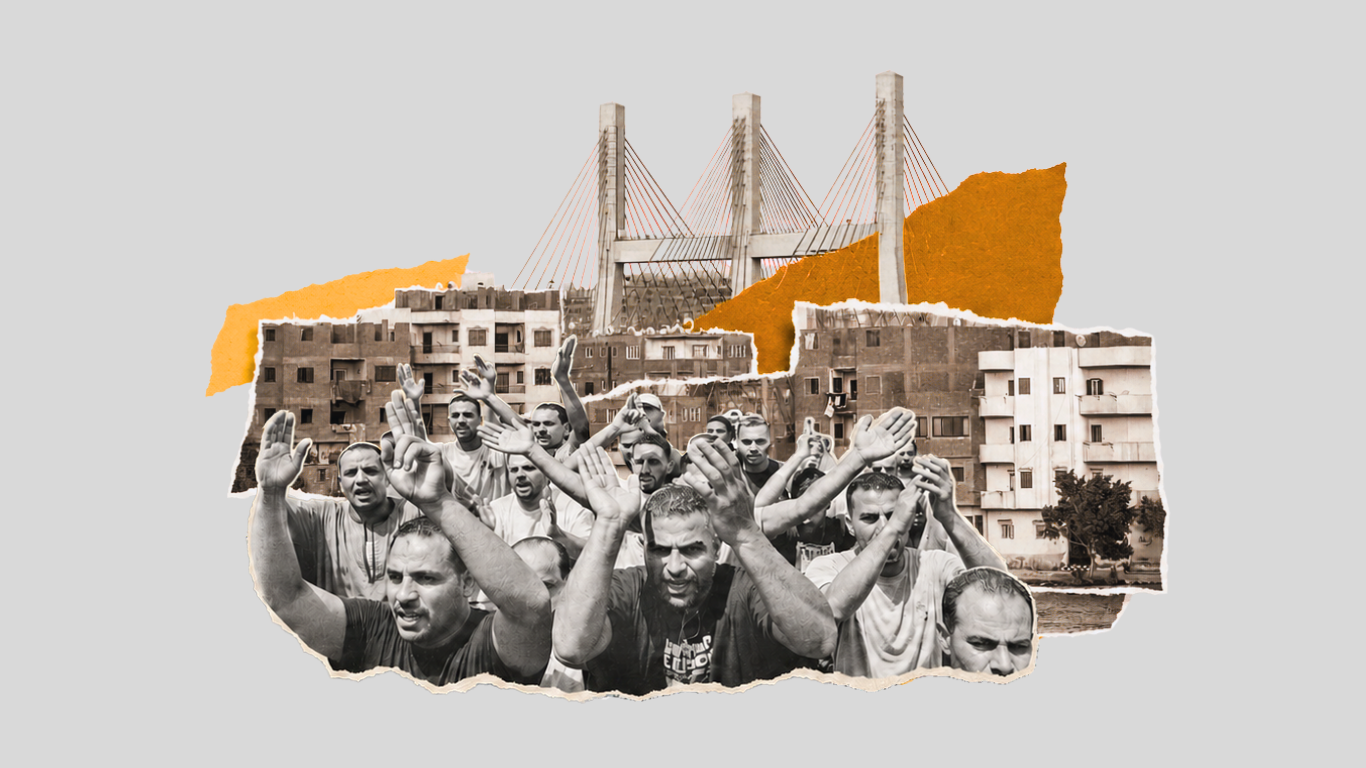
The Italian government carried out the first direct deportation operation from the detention centre in Gjadër, Albania, as five Egyptian citizens were transferred to Cairo on a plane that stopped in the Albanian capital, Tirana, on 9 May 2025. The Refugees Platform in Egypt revealed that the Italian Interior Ministry had issued a tender on 28 April to charter a plane to deport irregular foreigners, with the flight to stop in Tirana. On 8 May, a contract worth EUR 113,850 was signed with a private company, and the operation was carried out the following day. According to the website Altreconomia, five transits of Egyptian citizens from the Gjadër centre were recorded between 11 April and 21 May, and they are the people who were deported on that flight.
The platform said, in a statement of its own, that this incident comes in the context of the new policies adopted by the European Union and some of its states, which classify countries outside the Union, such as Albania, as “safe countries”, and the European Commission is proposing to expand this list to include ten additional countries, among them Egypt, in complete disregard of these countries’ human rights records and the continuing violations against refugees and citizens alike, warning of the danger of these policies, which open the door to transferring asylum seekers to countries that do not guarantee the minimum of protection and expose them to grave risks, whether to their physical safety or their personal freedom.
In a related context, media reports revealed an increase in escape attempts among Sudanese refugees present in Egypt, with growing numbers of them heading to Libya and European countries via illegal routes, fleeing the restrictions and government measures imposed on them. Reuters news agency noted that Sudanese refugees, who sought refuge in Egypt fleeing the civil war in their country, face mounting economic difficulties, in addition to rising fees for residency and the renewal of documents, and security restrictions that have included cases of detention and forced deportation.
Egypt has faced criticism from rights groups over its weak response to the recent waves of asylum, as it imposed restrictions on residency and registration, while Sudanese refugees complained of discriminatory treatment and difficulty in accessing basic services, such as healthcare, education and job opportunities. Rights organisations believe that the current situation portends growing waves of illegal migration, with worsening risks of human trafficking and exploitation.
For his part, Nour Khalil, executive director of the Refugees Platform in Egypt, accused the Egyptian authorities, during a hearing before the European Parliament’s Subcommittee on Human Rights on “the Egyptian-European partnership”, of reaping thousands of euros from every refugee trying to enter Egypt fleeing the war in Sudan or the genocide in Gaza, as well as from Syrians, through private companies linked to the security services, in addition to targeting refugees with arrest, detention and deportation, often to conflict zones, in flagrant violation of international law, pointing out that recent months have witnessed mass raid and arrest campaigns in Cairo, Aswan and other cities. Even holders of UN High Commissioner for Refugees cards have not been spared: their documents are confiscated, they are forced to sign “voluntary return” forms under duress, children are separated from their families, and LGBTQ+ refugees are targeted with violations and rapid deportation.
Khalil said: “For migrants and refugees, especially those coming from Sudan, Eritrea, Yemen, Palestine and Syria, Egypt is not a safe haven. It is a trap. In 2024 alone, we documented more than 20,000 cases of deportation to Sudan, which is witnessing the worst humanitarian crisis in the world today, and as a result of the Egyptian government’s recent decisions, refugees and asylum seekers are prevented from accessing basic public services, such as health, education and justice. Fewer than 12% of refugee children have access to education in Egypt; as for the new Egyptian asylum law, which was passed without any consultation, it grants the authorities absolute powers to deny protection and to deport refugees arbitrarily, thereby cancelling decades of basic safeguards.”
He added, in a speech he delivered during a hearing before the European Parliament’s Subcommittee on Human Rights on “the Egyptian-European partnership”: “The border areas in Egypt, and the areas near them, have witnessed increasing militarisation in recent years, which has led to forced displacement and deadly risks affecting local residents, as in Matrouh and North Sinai. As for migrants at the border, whether Egyptian or non-Egyptian, they are subjected to arrest, torture and violence, and in many cases, killing. Between 2016 and 2021, the Egyptian authorities reported that they had detained 100,000 people at the border.”
On 10 June, the bodies of 10 illegal migrants, among them 8 Egyptians, were found on “Baqbaq” beach in the city of Sidi Barrani, west of Marsa Matrouh; they are believed to have come from Libya on illegal journeys across the Mediterranean.
The International Organization for Migration (IOM) stressed that the incident is “a grim reminder of the high cost of irregular migration” and called for urgent international coordination to establish safe and regular pathways, warning that more than 32,000 people have lost their lives in the Mediterranean since 2014.
The figures issued by international and European organisations reflect a continuous rise in the numbers of irregular migrants coming from Egypt, which contradicts the official statements affirming the success of government efforts in eliminating the crisis. In 2022, the number of Egyptians who crossed the Mediterranean to Europe illegally reached more than 21,700 migrants, which placed Egypt on the list of the top ten countries exporting irregular migrants, according to the European agency Frontex and data issued by the Italian Interior Ministry.
In contrast, the Egyptian government says that it has eliminated the phenomenon. Last April, Minister of Foreign Affairs and Migration Dr Badr Abdelatty affirmed that the country had succeeded in putting an end to the phenomenon of illegal migration from its shores, pointing out that the state did not stop there, but opened its doors to receive those fleeing crises and wars in search of safety.
In a joint statement during the round of dialogue with the European Commission held by Minister of Planning Rania Al-Mashat, the government noted that Egypt had succeeded in stopping the departure of any illegal migration boats from its shores for nearly eight years, while continuing to implement programmes to raise awareness among young people and promote “safe migration”.
During a joint meeting between Minister of Foreign Affairs and Migration Badr Abdelatty and the European Commissioner for Home Affairs, Ylva Johansson, last September, Cairo affirmed its commitment to coordinating efforts with the European Union within the “National Strategy for Combating Illegal Migration (2016–2026)”. Egypt had issued a law in 2016 (No. 82) to toughen penalties on migrant smugglers, and reinforced it with amendments in 2022, along with the establishment of a dedicated national fund by a decision of the Prime Minister in 2023 to strengthen efforts to combat migration and provide support to migrants.
The relationship between Egypt and the European Union forms a key axis in managing the issue of irregular migration across the Mediterranean. In March 2024, Egypt signed a comprehensive agreement with the European Union worth EUR 7.4 billion, divided between concessional loans, investments and grants, of which EUR 200 million is allocated to support migration and border management. This agreement includes funding to strengthen the capabilities of the Egyptian coast guard and border guards through the purchase of advanced surveillance equipment and drones, and training personnel in surveillance and rescue operations in line with humanitarian standards. In addition to financial support, security coordination and information exchange take place through formal and informal mechanisms between European security agencies, such as Frontex and Europol, and their Egyptian counterparts, in an attempt to close the route to boats heading to Europe; despite this, however, the security partnership faces criticism from rights groups.
For his part, Halim Heneish, a consultant at the Refugees Platform, believes that informal migration from Egypt has never stopped for a single day, but is part of a reality that has extended over the past years, stressing in an interview with Zawia3 that it is closely linked to the political and economic conditions that push many Egyptians to look for an opportunity outside the country. Heneish says that the environment in Egypt has become repellent to young people, whether those with intermediate education or even university graduates; not only those who migrate by sea through informal routes, but even graduates of faculties such as medicine and engineering, whom we see in the syndicates’ reports heading, directly after graduation, to look for job opportunities abroad.
Heneish adds: “Migration here is not just an individual choice, but an expression of the loss of hope at home, especially with the continuing collapse of the economic situation. As for migration routes, the path has changed since around 2017: boats no longer leave from the Egyptian coast as used to happen before, as a result of the militarisation of the border and fishing areas and tight security campaigns, but this has not stopped Egyptians from continuing to leave. Only the route has shifted. Today, most of the Egyptians who risk reaching Europe by sea set off from Libya, which increases the scale of the risks they face, given the unstable conditions there,” pointing to what reports have circulated documenting the seizure of migrants held inside warehouses in preparation for smuggling trips, among whom were Egyptians. These facts confirm that security prevention alone is not enough, as the fundamental driver of migration still exists, and it is purely political and economic.
Despite the Egyptian authorities’ prevention of illegal migration boats from setting off from the Egyptian coast, testimonies documented by Zawia3, in one of its reports, and official reports have revealed that thousands of Egyptians are still migrating via Libya to Europe, driven by poverty and blocked horizons, which raises questions about the effectiveness of security solutions in confronting a deeper crisis.
To read the full report: Irregular Migration from Egypt: Government Efforts Only Changed the Route of the Journey
1. Trade unions and the right to protest
The Lawyers Syndicate Announces a General Strike
The Council of the Egyptian Lawyers Syndicate unanimously announced the implementation of a general and comprehensive strike on Sunday and Monday, 7 and 8 July 2025, in all courts and prosecution offices of all levels and locations, nationwide, in protest against what they described as “unfair judicial fees”, which were recently approved without legal or factual justification.
The council affirmed, during an expanded meeting with the heads of the sub-syndicates, that the strike decision came as a direct response to the results of an internal opinion poll organised by the syndicate, in which 36,284 lawyers took part, of whom 21,231 lawyers supported going on strike, while only 1,486 participants rejected it, which reflects, according to the council, “the widespread anger among lawyers and their rejection of policies of imposing fees arbitrarily”.
These developments come amid escalating tension between lawyers and the executive and judicial authorities, especially after the decision of the Supreme Administrative Court to cancel the general assembly of the Lawyers Syndicate, a decision that provoked angry reactions within syndicate circles and was rejected as interference in the internal affairs of the syndicate and in its members’ right to self-organisation.
Zawia3 had documented in previous reports the growing restlessness among lawyers, which pushed the syndicate council to threaten escalatory steps paving the way for the strike, based on a series of opinion polls recently conducted by the syndicate to gauge the leanings of the broad base of its members.
The syndicate council affirmed that these fees represent an additional burden on lawyers and litigants and threaten citizens’ rights to access justice, calling for them to be reconsidered through an institutional dialogue that guarantees respect for the law and for the interests of the parties to justice.
Recommended reading: 21,000 Lawyers Vote to Abstain from Appearing in Court in Rejection of Judicial Fees
2. Detention conditions, life and accountability
Death of 7 Detainees Inside Omraniya Police Station in a Single Year
The Egyptian Initiative for Personal Rights submitted a complaint to the Public Prosecutor, Counsellor Mohamed Shawky, asking him to open an urgent and transparent investigation into the circumstances of the deaths of seven people inside Omraniya police station within just one year.
In its complaint, the Initiative called for the officers responsible for the station to be temporarily suspended from work until the investigations are concluded, and for anyone proven to be involved or negligent to be referred to criminal trial, stressing that this alarming number of deaths inside a single place of detention requires immediate intervention by the Public Prosecution. The Initiative affirmed that these cases, all of which were documented between 2023 and 2024, raise legitimate concerns about grave violations of detainees’ rights, especially given the absence of transparency and weak oversight of places of detention.
The Initiative also renewed its demand for a surprise visit by the Public Prosecution to Omraniya police station, to review the custody logs and treatment records, and to hear the testimonies of the victims’ families and of eyewitnesses among former and current detainees.
The Initiative concluded its complaint by stressing that failing to open a serious investigation into these incidents not only constitutes a breach of legal and criminal responsibility, but opens the door to the continuation of a systematic pattern of violations inside places of detention, in a manner that contravenes the Egyptian Constitution and the international conventions ratified by Egypt.
A Petition for Signature to Investigate the Death of Mahmoud Mika at El-Khalifa Police Station
Months after the death of the young man Mahmoud Mohamed Asaad, known as “Mahmoud Mika”, inside El-Khalifa police station, his family and lawyers are still denied access to the final forensic medical report.
In this context, a number of human rights organisations launched a petition for public signature, calling on the Egyptian government to extend a formal invitation to the UN Special Rapporteur on torture to visit the country and inspect conditions in prisons and detention facilities, and to meet the victims and their families, as a first step towards transparency, uncovering the truth and ensuring accountability.
The signatory organisations affirmed that calling on independent international mechanisms is an urgent necessity given the escalation of violations inside places of detention and the faltering of avenues of domestic justice. The petition also stressed the demand to open an urgent and independent investigation into the death of the young man Mahmoud Mika inside El-Khalifa police station, and to hand over a complete copy of the forensic medical report to the family of the deceased and his lawyers without delay, in addition to guaranteeing full protection for witnesses from any possible threats or acts of reprisal, holding accountable all those involved in this incident, whatever their positions, and transparently announcing the results of the investigations to the public. The petition affirmed that impunity in such cases not only threatens the rights of the victims and their families, but undermines public trust in the justice system as a whole.
Amid this blackout, lawyer Esraa Khalifa, the deceased’s maternal cousin and a member of the defence team, had sent an exclusive video to Zawia3 last May, in which she appealed to the President of the Republic, the Public Prosecutor and the Minister of Justice to intervene urgently and speed up the issuance of the official medical report, paving the way for holding those responsible accountable and revealing the truth to the public.
Recommended reading: Signs of Torture and Hanging by the Hands: Details of the Killing of Mahmoud Asaad at El-Khalifa Police Station
Six Egyptians Executed in Saudi Arabia and 26 Await the Same Fate
The Saudi Interior Ministry announced, on Saturday 28 June, the execution of the death sentence (“killing as ta’zir”) against four people, among them three Egyptian citizens, in drug-related cases. This raises the number of Egyptians executed in the Kingdom during the period from 25 to 28 June to six, in a notable escalation that brings back to the fore the growing human rights concerns about the situation of those sentenced to death, particularly those of foreign nationalities.
This development comes amid international and human rights reports indicating the Saudi authorities’ intention to carry out death sentences against 26 other Egyptians, held in a prison in the city of Tabuk, on similar charges relating to non-lethal crimes.
In this context, 32 international human rights organisations, in a joint statement, called on the Saudi authorities to declare an “official moratorium on the implementation of death sentences”, paving the way for their complete abolition from Saudi legislation, particularly with regard to crimes that do not involve serious violence or a threat to the lives of others.
The organisations affirmed that there is a systematic pattern of violations during the various stages of litigation in these cases, from arrest and detention through to trial, with breaches recorded of the defendants’ rights to a defence and to a fair trial.
The organisations expressed their “deep concern” over what they described as the “imminent danger” threatening hundreds of prisoners in Saudi Arabia sentenced to death in drug-related cases, among them dozens of Egyptians, Ethiopians and Somalis.
3. Prisoners of conscience, defenders and transnational repression
Release of 50 Defendants in Various Cases
On 2 June 2025, the Supreme State Security Prosecution released 50 people held in pretrial detention pending 23 different cases, among them journalist Ahmed Serag. Serag was arrested from his workplace last January and appeared the same day before the State Security Prosecution, coinciding with the summoning of academic and translator Nada Mogheeth, wife of translator and cartoonist Ashraf Omar, who has been detained since July 2024 pending case No. 1968 of 2024. This was over Serag conducting a filmed interview with Mogheeth about the circumstances of her husband’s arrest and his living conditions in 10th of Ramadan Prison (6), which the prosecution considered the basis for charging him.
Rights Organisations Demand the Release of Lawyer Ibrahim Metwally
A coalition of 24 Egyptian, African and international organisations expressed its deep concern over the continued arbitrary detention of lawyer and human rights activist Ibrahim Metwally, aged 61, who has been held by the Egyptian authorities since 10 September 2017 without trial, over his activism defending victims of enforced disappearance, among them his son, who has been missing since 2013.
According to a joint statement issued by the organisations, Metwally was recently referred to trial in three separate cases, all of which share charges related to terrorism, even though the background to his detention is directly linked to his human rights activism, particularly his founding of the “Association of the Families of the Forcibly Disappeared” and his participation in documenting violations, according to the statement.
The signatory organisations demanded the immediate release of Ibrahim Metwally, an end to all forms of abuse against him, and that he be allowed to receive appropriate medical treatment outside prison, in addition to a fair and transparent investigation into the torture and violations he has been subjected to since the moment of his arrest. The organisations also called on the Egyptian state to fulfil its international obligations to respect human rights, and to guarantee the right of lawyers and human rights activists to carry out their work without fear of reprisal or prosecution.
The Second Sentence Against Student Leader Moaz El-Sharqawy
On 24 June, the Second Terrorism Circuit of the Supreme State Security Criminal Court, convened at the Badr court complex, sentenced former Tanta University student leader Moaz El-Sharqawy to ten years of aggravated imprisonment, as part of a ruling that covered 19 other defendants in case No. 13330 of 2023, El-Marg Felonies. The ruling included life imprisonment for a number of the defendants and the placing of El-Sharqawy on terrorism lists, in addition to subjecting him to police surveillance for five years after the end of his prison term.
The Egyptian Initiative for Personal Rights, whose lawyers are defending El-Sharqawy, condemned the ruling and described it as an extension of a series of “judicial prosecutions and continuous abuse” against him since 2018, stressing that this is the second ten-year prison sentence against him, while his trial in a third, similar case (No. 540 of 2023, Supreme State Security) begins on 5 July.
According to the account of the Initiative, El-Sharqawy’s ordeal dates back to April 2018, when he was arrested while working as a tour organiser on the Sharm El-Sheikh road, and was subjected to enforced disappearance for 25 days, during which he reported being tortured, before being referred for investigation in case No. 440 of 2018.
He remained in pretrial detention until his release in 2020, before being referred in August 2021 to the Emergency State Security Criminal Court, which issued a non-appealable ruling sentencing him to ten years in prison in case No. 1059 of 2021, but the ruling was not implemented at the time because it had not been ratified, and El-Sharqawy remained free. On 11 May 2023, a security force arrested him again from his home in the Mokattam area, and he was held in an unknown location for more than three weeks, until he appeared on 3 June 2023 before the Supreme State Security Prosecution, which began investigating him in case No. 540 of 2023 without the presence of his lawyer and without allowing the defence to review the case file, according to the Initiative, which considered this a flagrant breach of the right to a defence and a clear violation of the rules of criminal justice.
The Initiative affirmed that “Moaz and his defence were surprised by the issuance of an order referring him to trial in May 2025 in the case in which yesterday’s ruling was issued, without his having been investigated in it, as the State Security Prosecution considered him a fugitive at the time, even though he has been held in the custody of the Interior Ministry since May 2023”. Despite the seriousness of the charges against him, the prosecution merely copied his statements made in another case, No. 540 of 2023.
Renewal of the Detention of a Member of the Cinema Professions Syndicate
On Sunday 1 June 2025, the Supreme State Security Prosecution decided to renew the pretrial detention of director and Cinema Professions Syndicate member Abdel Rahman Adel Seddik Hassan El-Qased, known as Abdel Rahman El-Ansary, pending case No. 1282 of 2024, Supreme State Security, on charges relating to “joining a terrorist group, broadcasting false news and misusing social media”.
A security force in civilian clothes had arrested El-Ansary at dawn on 7 May from in front of his home and taken him to an unknown location, before he appeared the following day before the prosecution, which ordered his pretrial detention, and he was later transferred to Wadi El-Natrun Prison. This detention is the second of its kind against Abdel Rahman El-Ansary, as he was previously held in pretrial detention in case No. 441 of 2018 for more than 18 months, on almost the same charges.
Rights Organisations Call on Egypt to End Transnational Repression
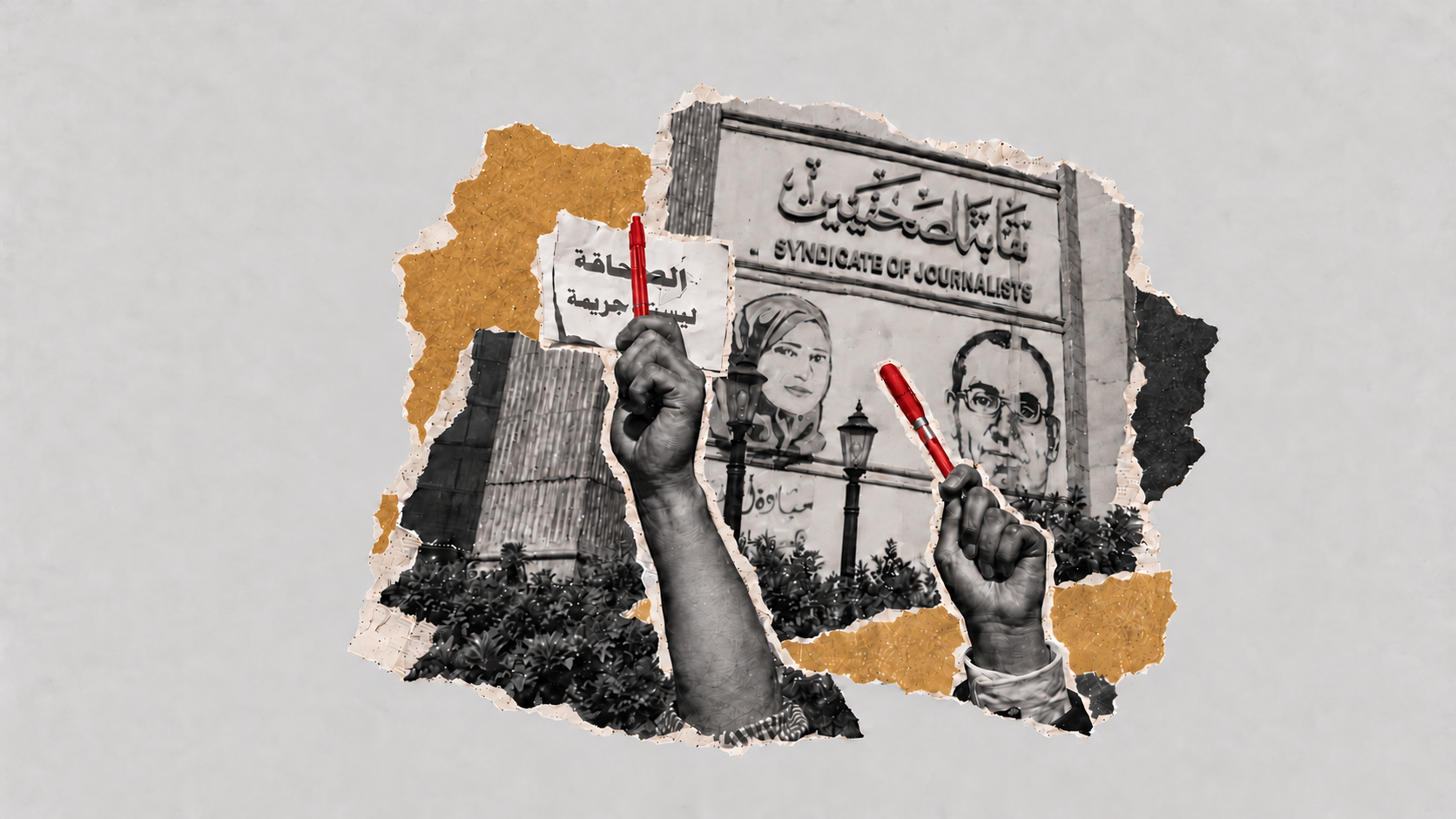
Local and international human rights organisations expressed their deep concern over the continuing campaign of transnational repression targeting Egyptian journalists in exile, foremost among them investigative journalist Basma Mostafa, who currently lives in Germany.
In a joint statement, the signatory organisations called on the Egyptian government to end this campaign immediately and to respond to the report issued by the United Nations, which documents a worrying pattern of violations, harassment and surveillance to which Basma Mostafa is subjected in a number of countries, including Germany, Switzerland, Kenya and Lebanon. The organisations also urged the German authorities to take concrete steps to ensure her safety and to fulfil their international obligations to protect freedom of expression and human rights, especially when it concerns people under threat because of their journalistic work.
Although she was forced to leave Egypt and seek safety in exile, Basma Mostafa still faces systematic threats and harassment, surveillance and online gender-based violence, solely because of her practice of investigative journalism and her shedding light on violations in Egypt.
Luise Amtsberg, the former Commissioner for Human Rights of the German government, had publicly condemned these violations and called on Cairo to respond to the UN report. However, the Egyptian authorities have not issued any official response so far.
4. Wages, women workers and occupational safety
Raising the Minimum Wage
Last June, the Egyptian government announced a rise in the minimum wage for employees of the state’s administrative apparatus to EGP 7,000 per month starting next July, as part of a series of measures to ease the burden of living costs on citizens after the recent wave of price increases. The long-awaited decision also included a package of temporary social subsidies, which lasted until the end of June, as an attempt to contain popular discontent.
Despite the importance of this decision in theory, human rights reports have shown the continuation of widespread violations in the application of the minimum wage, especially in the private sector, with the absence of monitoring mechanisms and deterrent penalties against non-compliant employers. Studies issued by international organisations, such as the International Labour Organization, indicate that workers in the informal sectors, who number in the millions, do not benefit from any actual protection, while complaints are mounting about the weakness of private-sector salaries compared with inflation rates.
The Precarious Conditions of Women Agricultural Workers in Egypt
On the morning of 27 May, Menoufia Governorate witnessed a tragic accident that once again shed light on the precarious working reality of women agricultural workers in Egypt, after 18 girls were killed and others injured in a horrific accident while on their way to work on grape farms in Sadat City. While the official discourse settled for condolences and the announcement of financial compensation for the victims’ families, the Egyptian Initiative for Personal Rights held the authorities responsible for the legal and structural negligence that threatens the lives of thousands of women workers, warning against the continued disregard of women’s rights to a safe working environment.
According to testimonies circulating on social media and press reports, the victims, most of them between the ages of 14 and 20, worked on a daily-wage basis for pay not exceeding EGP 130, which is less than the official minimum wage when calculated by the hour. The girls rode a dilapidated microbus carrying 22 people, even though its legal capacity does not exceed 15 passengers, on an arduous daily journey from their village, “El-Sandabesya”, in Ashmoun district, to Sadat City, a distance of about 60 kilometres, before a heavy transport truck ran them over on the Regional Ring Road.
The MP for the Egyptian Social Democratic Party Sanaa El-Saeed described the horrific Menoufia accident that claimed the lives of 18 working girls as “a catastrophe by every measure” and “a fully-fledged crime”, holding the Egyptian government fully responsible for it. In exclusive statements to Zawia3, the MP offers her sincere condolences to the families of the martyrs, praying for mercy and forgiveness for them, and stresses that this tragedy reveals accumulated crises that go beyond a mere traffic accident.
Sanaa explains that the catastrophe occurred on a road known among locals as “the road of death” because of the frequent accidents on it, asking: “How can the governor and officials turn a blind eye to a road like this?” She considers the authorities’ silence and their failure to develop this road and other dilapidated roads to be “deliberate negligence”, adding: “Are we waiting for the catastrophe to happen before we act?” The MP also criticises the disregard of the social and economic dimensions of the accident, saying: “We are talking about 18 brides in the bloom of youth, who were working to support their families or to cover the costs of their studies amid extremely difficult economic conditions.”
She points out that these girls represent a broad segment of “irregular labour” that works in harsh conditions without any legal or social protection. She says: “They work in fields and factories without insurance, without documented contracts and without anything to protect them, for a meagre wage (EGP 130), which makes them forced labour. This is a dangerous phenomenon that the state must confront.”
El-Saeed links the neglect of infrastructure in the governorates to the massive spending on mega-projects, saying: “At a time when the state is spending billions and borrowing for new cities such as the Administrative Capital and El-Alamein, we see the blood of our children spilled on dilapidated roads. This is nothing but the natural result of deliberate negligence by the government.” El-Saeed considers the accident “a fully-fledged crime” with serious social and political dimensions, calling on the state to play its role in protecting its citizens and providing them with a decent life, instead of leaving them prey to poverty and neglect.
For its part, the Egyptian Initiative for Personal Rights issued a statement in which it expressed its “deep sorrow and condolences to the victims’ families”, affirming its full solidarity with the girls’ families and with women agricultural workers across Egypt, but it warned against settling for official sympathy without addressing the structural causes behind the accident. The Initiative said: “This tragedy comes just a few weeks after the President of the Republic ratified the new unified Labour Law, which for the first time includes women and men working in agriculture under the umbrella of legal protection, but without any real protection measures or mechanisms.”
The statement added that this legal amendment came after repeated demands from civil society organisations, labour rights experts, feminist organisations and UN bodies to extend legal protection to all forms of work, “although women domestic workers remain excluded”, but it remained, as the Initiative described it, a “formal” step without guarantees in keeping with the working conditions of women agricultural workers.
In a statement of its own, the Egyptian Center for Economic and Social Rights mourned the victims of the accident, stressing that this tragic accident reveals a harsh reality lived by millions of women and men workers from irregular groups, who are forced daily to travel by unsafe means of transport lacking the most basic elements of safety.
The centre affirmed that the catastrophe is not merely a passing accident, but a direct result of institutional negligence and the absence of oversight and safety standards on the roads, pointing out that the Regional Ring Road, which was supposed to contribute to enhancing safety, has turned into a source of permanent danger, and has previously witnessed many similar accidents without any real intervention from the relevant authorities.
The statement also reviewed a series of accidents that claimed the lives of male and female workers, the most prominent of which were accidents in Minya, Sadat and Abu Ghaleb, which show a recurring pattern of negligence towards the safety of the most vulnerable groups.
The centre criticised the absence of an effective response from the responsible authorities, stressing that symbolic compensation does not match the scale of the loss and suffering. It also held the Ministry of Transport and the relevant authorities responsible for the continuation of these disasters, calling for the provision of safe means of transport and the achievement of the minimum occupational health and safety standards.
The statement stressed that irregular labour, which represents a broad segment of the labour market, still suffers from a lack of social protection and job security, which leaves it permanently exposed to risks and violations.
Commenting on the accident, the Tadwein Foundation affirmed, in a statement of its own, that this painful incident was not the first, but is one link in a long chain of child exploitation and societal neglect. In recent years, similar accidents have recurred at a frightening rate, all of them linked to one thing: child labour. On 21 May 2024, 17 girls aged between 12 and 16 left their village in Giza at dawn, heading to a farm to pick fruit. The means of transport was an old microbus that carried them across the River Nile on the dilapidated Abu Ghaleb ferry, which lacks the most basic safety conditions. The ferry collapsed, the microbus fell into the waters of the Nile, most of the girls drowned within minutes, and the road to work turned into a collective tragedy.
At the beginning of 2022, children from a village in Monshaat El-Qanater were working at a poultry farm, on a shift that began before dawn and ended at sunset, for an income not exceeding EGP 50 to 70 a day, with no safe means of transport provided by the employer. On the day of the accident, they were riding a pickup truck to cross the El-Qatta ferry over the River Nile, but it lost its balance and fell into the water; 23 children were inside the vehicle and most of them drowned. On one day of Ramadan 2022, a group of children were working at a potato station in Beheira, on a gruelling evening shift; their ages were between 10 and 15, and they were forced to work at night to make it in time for suhoor, with the shift ending at the break of dawn. On their way back, they rode a “tricycle” to cross a large canal to take them to their homes in Itay El-Baroud district, about 5 kilometres from their workplace, but it overturned with them and 8 children drowned in the accident.
The statement cited the results of the 2021 Egypt Family Health Survey, which showed that there are no fewer than 900,000 children, boys and girls, working in Egypt, nearly half of them in hazardous working conditions including agriculture, factories, workshops and transport, explaining that despite the laws prohibiting the employment of children and the restrictions on hazardous work for those under 18, violations still occur daily, sometimes in full view and hearing of everyone.
Recommended reading: “The Deadly Harvest”: Child Agricultural Workers in Egypt, Victims of Labour Brokers and Legislation
5. Housing rights and rental legislation
Proposals to Reform the Old Rent Law
Six human rights and research organisations, along with a number of lawyers concerned with the right to housing, issued a joint statement containing a set of legislative proposals to reform the old rent law, following the ruling of the Supreme Constitutional Court issued in November 2024, which ruled that fixing the rental value was unconstitutional. The participants in the proposals stressed that they are based on broad dialogue and cumulative knowledge of the housing field, as well as on following the bill currently put forward by the government and the ongoing discussions about it in the House of Representatives, including the views of MPs, representatives of landlords, tenants and experts.
The proposed reform vision was built on four main pillars: fair treatment of existing contracts, taking into account the reality of the rental relationship and the circumstances of its parties; setting gradual increases in rental values, approved by law, that are fair and not linked to current market rates, with an appropriate transitional period; providing direct cash support to the neediest tenant groups, ensuring that no family is evicted from its home for economic reasons; and a comprehensive reform of the rental system in Egypt, both old and new, in a way that addresses market imbalances and promotes social justice.
The signatory organisations affirmed that any legislative amendment must be consistent with the constitutional articles that guarantee the right to safe and adequate housing and ensure social protection for the groups most in need of care, in addition to respecting established legal principles regarding contracts and property.
Recommended reading: Are 6 Million Citizens Facing the Threat of Eviction? The Other Face of the Old Rent Law Amendments
An Alternative to the Government’s Old Rent Bill
MP Freddy El-Bayadi, a member of the House of Representatives and deputy head of the Egyptian Social Democratic Party, revealed that he has submitted an integrated bill as an alternative to the government’s old rent bill, which addresses the flaws in the government’s bill and achieves real justice for both parties, explaining that his alternative bill rests on three basic principles: a gradual liberalisation of the rental relationship over seven years to reach a fair market value; that citizens should not bear more than a third of their income in rent, with the state covering the difference through the Social Housing Fund or real estate taxes; and preventing forced eviction where the occupant is present.
He also explained that the most prominent features of the proposed amendments are: abolishing automatic eviction after 5 or 7 years and replacing it with a gradual rent increase assessed by neutral committees over 7 years and reviewed every two years in line with inflation; replacing the general classification of areas with a precise assessment of each rental unit by local survey committees, taking into account factors such as the property’s location, the condition of the building, the type of use, actual demand, services and utilities, and market prices; including non-residential units under the same phasing rules, taking into account the nature of commercial and professional activities; regulating the grounds for eviction so that they are limited to closing the unit for more than a year without justification, the tenant owning a suitable alternative unit, refusal to pay, encroachment on or damage to the property, subletting and change of activity, while guaranteeing the tenant’s right to appeal before the judiciary and to have the eviction decision temporarily suspended pending a final judicial ruling where there is a valid excuse; and temporary participation by the tenant in essential maintenance during the transitional phase, at a rate starting at 80% and decreasing gradually until it ends at the end of the seventh year, with low-income tenants supported in one of two ways: either a monthly cash subsidy covering the difference between a third of their income and the market value, or the provision of a suitable alternative unit for rent or ownership at the same social level, on condition that it is actually handed over before the eviction is carried out.
El-Bayadi tells Zawia3: “The solution must not come at the expense of the citizen, nor at the expense of the landlord”, and my alternative bill makes the state an active partner, not merely an observer, in order to achieve balance and apply the text of Article 78 of the Constitution, which guarantees the right to adequate and safe housing. The aim is not to obstruct reform, but to accomplish it without displacement or improvised decisions; the solution must be gradual and realistic, and guarantee the participation of all parties: the citizen, the landlord and the state. A fair law is one that respects people’s dignity, safeguards property rights and offers a real solution far from chaos and shocks. I reject the government’s bill on old rents, because it is unfair and comes amid a stifling economic crisis in which citizens are suffering unprecedented living pressures, and it is based on old data dating back to 2017.”
The MP explains that his rejection of the government bill rests on four main reasons: the completely inappropriate timing, given difficult economic conditions that cannot bear any additional burdens; the reliance on data and statistics more than 8 years old without updating, which makes the law lose its connection to reality; the law’s inclusion of provisions that lead to the forced eviction of tenants after a specified period; and its failure to bring a real benefit to landlords, due to the absence of a clear and fair mechanism for the rental value to reach its market level gradually, considering the division of all of Egypt into only 3 rental categories (premium, medium, economic) illogical and a disregard of the huge differences between neighbourhoods, streets and properties.
6. Mental health and patients’ rights
Serious Violations at Khanka Mental Health Hospital

The Khanka Hospital for Mental Health and Addiction Treatment faces mounting accusations of financial and administrative irregularities involving its director and his deputy, in connection with incidents that included physical assaults on psychiatric patients, the impersonation of a doctor by an individual, and the writing of medical and treatment reports without accredited legal or medical qualifications, in clear violation of the Psychiatric Patient Care Law. These incidents prompted the General Secretariat of Mental Health at the Ministry of Health to dismiss the hospital’s deputy director, Dr Badr Abbas, on 9 April, less than two months after he took up the post.
According to what local newspapers published, Dr Badr Abbas, the dismissed deputy director, was accused of beating the patient “F. H.”, who has schizophrenia and a degree of intellectual disability and is registered under number 8013, after he tried to leave the hospital unawares during visiting hours last March. Despite the seriousness of the incident, the hospital director did not refer it to an administrative investigation.
In a separate incident, the deputy director himself introduced a young man named Mohamed Bakr to the hospital’s medical teams as a psychiatric specialist recently transferred to work there, and asked him to examine the patient “H. A. H.”, registered under number 16487, who had suffered a state of agitation on 16 March, during an internal tour on which he accompanied the Undersecretary of the Ministry of Health in Qalyubia. Later, the content of the medical assessment that the young man recorded in the patient’s file raised the doctors’ suspicions, especially after their discussions with him in the doctors’ lounge, which prompted them to ask security to check his identity, only to discover that he was merely a student, born in January 1996, who had impersonated a doctor.
On 16 April, the National Council for Mental Health announced the formation of a committee from patient affairs that went to Khanka Hospital to investigate these incidents. However, settling for an internal investigation and the removal of the deputy director, without referring the file to the Public Prosecution, drew criticism from some medical institutions and civil society organisations concerned with mental health, which considered this a breach of the principle of accountability and a disregard of patients’ rights.
In a related context, the General Secretariat of Mental Health last May summoned the hospital director, Dr Mostafa Khalil El-Sherif, who had taken up his post last February, for questioning. Local news websites attributed the summons to complaints relating to mismanagement and accusations that he had used narcotic substances, as well as his signing the attendance and departure registers in place of his wife, who also works at the hospital and was absent from work.
Less than a month after these developments, the Central Administration of the General Secretariat of Mental Health announced, on 8 May this month, the resignation of the Secretary-General, Prof. Dr Menan Abdel Maqsoud, from the post she had held since 17 October 2017. The administration affirmed that Abdel Maqsoud had been one of the pillars of developing mental health and addiction treatment programmes, and had contributed to strengthening institutional partnerships, supporting scientific research and building the capacities of working staff.
On 9 May, the Secretariat announced the appointment of Dr Wessam Abou El-Fotouh as head of the Central Administration for Mental Health and Addiction Treatment. Information on the Secretariat’s official website indicates that Wessam Mohamed Abou El-Fotouh Ibrahim, a specialist physician, is a member of the Addiction Treatment and Patients’ Interests Administration and supervises the psychological support team and the consultations hotline. She also served as head of the addiction department at the Benha Mental Health Hospital between 2013 and 2018, and chaired the Patients’ Rights Committee in the period from 2011 to 2018.
On 10 February, Khanka Hospital had witnessed the escape of a psychiatric patient during the period between 11 a.m. and 1 p.m., taking advantage of a power cut. He had been admitted to the hospital on 13 January with a diagnosis of schizophrenia with a degree of intellectual disability, according to what media outlets reported from sources at the Mental Health Secretariat.
To read a report published by Zawia3 titled: Khanka Hospital: Beaten Patients, Fake Doctors and Administrative Corruption
7. Women’s rights, equality and justice
Egypt Falls in the Gender Gap Index
Egypt fell again in the 2025 Global Gender Gap Report, issued by the World Economic Forum, which ranked Egypt 139th out of the 148 countries covered by the report.
For its part, the Egyptian Initiative for Personal Rights expressed its deep concern at Egypt’s continued decline in the Global Gender Gap Report. The Initiative considered that this decline comes for the second consecutive time, after Egypt had fallen last year to 135th place out of 146 countries, which means the continued deterioration of the indicators related to equality between women and men, foremost among them political empowerment, economic participation, educational attainment, and health and survival.
The Egyptian Initiative stressed that this decline should not be viewed as a mere numerical ranking, but as a warning indicator of the state’s failure to adopt effective and equitable policies to empower women and guarantee their rights in all fields, particularly amid the aggravation of the manifestations of gender-based violence and discrimination, the continued weak representation of women in decision-making positions, the deteriorating conditions of women workers, and the decline of reproductive and health rights.
The Initiative calls on the Egyptian authorities to reconsider government policies related to gender justice and to guarantee the genuine participation of women in all aspects of public life, in line with Egypt’s constitutional and international obligations.
Women’s Lawsuits: Swift Justice and Gender Justice
The New Woman Foundation issued a research paper titled “Women’s Lawsuits Between Swift Justice and Gender Justice”, in which it reviews the impact of the “swift justice” strategy adopted by the Egyptian Ministry of Justice on the situation of women within the litigation system, drawing on the experiences of legal support offices, and in the context of the “Reporting Justice” campaign.
The paper criticises what it described as the absence of a serious response to women on the part of law enforcement agencies and judicial bodies from the moment of reporting, despite survivors’ commitment to the official path. Amid this absence, many women resort to the digital space as a means of pressure that is an alternative to state institutions, which the foundation considers a dangerous indicator of the declining effectiveness of the justice system.
The paper indicates that the official discourse on swift justice focuses on speeding up procedures and deciding cases, ignoring the structural obstacles that prevent women from accessing justice, such as the absence of a safe environment, the rising costs due to digitisation, and the lack of gender sensitivity in services, at a time when the legal, economic and social challenges facing women in Egypt are escalating.
The foundation explains that what is promoted as development of the courts or digitisation of services does not have a positive impact on women’s chances of accessing their rights, but may increase the marginalisation of vulnerable groups, especially in cases of sexual and domestic violence and personal status lawsuits.
The paper calls for redefining swift justice in a way that guarantees an immediate and effective response from the moment of reporting, and for holding the state responsible for building a fairer legal and institutional system. It stresses the need to involve women in drafting legislative policies and monitoring their implementation, in a way that guarantees comprehensive justice that does not entrench exclusion.
Article 25 of the Code of Criminal Procedure stipulates that “anyone who learns of the occurrence of a crime for which the Public Prosecution may file a case without a complaint or request shall report it to the Public Prosecution or to one of the judicial police officers”, while Article 26 obliges public employees to report immediately if they learn of the occurrence of a crime while performing their work. However, civil society organisations concerned with supporting women legally run into obstacles that hinder the reporting of incidents of violence, as police stations often refuse to receive reports except directly from the woman concerned, and require her to attend and appear in person before the station or the prosecution, while electronic and telephone reports are treated as mere “incident records” that do not lead to an investigation or judicial procedures, even in cases relating to domestic violence, the detention of the survivor or her being a minor. The prosecution also sometimes shelves the report if the survivor does not attend or hesitates to give her statement, even if there is preliminary evidence, which creates a dilemma when circumstances prevent the victim from reporting due to fear or coercion.
The New Woman Foundation considers that the case of “Somaya Obeid”, known in the media as the “Mall Girl”, embodies the gaps in the justice system: she filed a report against a harasser who had assaulted her, and he was jailed, but after his release he returned and attacked her with a bladed weapon, causing serious injuries. The foundation explains that this incident is not an exception, but an example of the recurrence of threats and revenge despite rulings being issued, amid the absence of an effective protection system and sufficient institutional support, and the continued burden of proof on women amid a culture of victim-blaming.
The foundation affirms that last year witnessed similar incidents, in which women’s reports were neglected or shelved without prosecuting the accused, which led to the women being stalked and threatened, and even assaulted and sometimes killed. This is what drives many women to resort to social media to pressure the authorities, which the foundation considered an indicator of a deep flaw in the justice system, which punishes women with neglect when they report violence.
The “Reporting Justice” campaign launched by the foundation indicates that reporting should not be understood only as a legal procedure, but as an act of resistance that requires psychological, social and institutional support. It believes that the slowness of institutions in responding entrenches the cycle of violence rather than breaking it, and calls for the adoption of a comprehensive system that prioritises protection from the moment of reporting, rather than settling for speeding up procedures within the framework of formal justice.
For her part, Nevine Ebeid, executive director of the New Woman Foundation, explains that the foundation began the “Reporting Justice” campaign after the complaint of journalist Mostafa El-Aassar, who defended his sister against a young man who had been stalking her in Fayoum Governorate and called for help; this case spread very widely, and as a result, official bodies such as the National Council for Women and the Public Prosecution took action, noting that this incident was neither new nor the first of its kind, but came in the context of many cases of women who resort to social platforms or social media to recount the stories of threats and danger they are exposed to, whether through blackmail or stalking, as if they were the makings of another case like that of Nayera Ashraf and others, where some young men try to impose their relationships on them.
She tells Zawia3: “When the pace of cases resorting to social platforms without following the legal path and filing an official report increased, we began to talk about ‘Reporting Justice’, because it is not fair that official bodies take action only in cases whose owners have the ability to use social networks effectively to make their voices heard. In addition, there may very well be many other cases that were written about on social media but did not achieve sufficient spread (the trend), and therefore the state’s legal apparatus did not move to deal with them. There is a third important point, which is that not all girls are prepared to recount their painful experiences of violence publicly. Therefore, we wrote the campaign statement and made it available for signature by organisations, initiatives and others, so that they support the idea of Reporting Justice with us.”
She adds: “The attention to this issue is fundamentally a genuine interest on our part in the idea of the unified law against violence against women, and comes within the framework of the accumulated efforts of the New Woman Foundation in working on this law,
The ‘Swift Justice’ paper came within the framework of following up on the cases received by our legal support office. This paper started from the reality of our experience in providing legal support services, legal consultations and referrals for psychological and technical support in cases of electronic blackmail, and through the experience of the support offices we run and the services we provide, whether legal support or legal consultations, the ‘Swift Justice’ paper was issued, which deals with the obstacles to accessing justice and the litigation path in cases of violence against women.”
The executive director of the foundation points to the monitoring of a large number of problems with automated services, and other problems relating to the high cost of fees, the required litigation papers and the preparation of case files, which hinders access to litigation paths, in addition to monitoring problems such as digital automation, the problem of lawyers’ dealings with access to the digital services that the Ministry of Justice used to provide, following up on the “swift justice” strategy announced by the Ministry of Justice, and everything relating to the critical reading of the services provided by the state or the justice facility, within the framework of enabling lawyers specifically to access justice and to achieve it for the cases they represent, noting that the foundation began, within the framework of the “Reporting Justice” campaign, to monitor writings on the subject, and received several articles.