
A newsroom disappears as rights remain under pressure
Deleted Lines | Issue 23 | September 2026
A newsroom disappears as rights remain under pressure
In the twenty-third issue of “Deleted Lines”, we read what figures, rulings, human rights reports and the testimonies of those affected say about the reality of rights and freedoms in Egypt during September 2026. The month, which began with 13 UN experts calling for an investigation into mass graves in North Sinai, ended with the arrest of an entire newsroom in less than a day, and with the postponement of the new Criminal Procedure Law for a full year hours before it was due to take effect. And in between: 32 death sentences in a single month, a full decade of detention for a photojournalist, families facing eviction in Tora, El-Marg and Damietta, workers waiting for bonuses postponed for ten years, and refugees entering a third school year outside schools.
1. Freedom of the press and expression
The press: an entire newsroom vanishes into the unknown
Six journalists in less than twenty-four hours
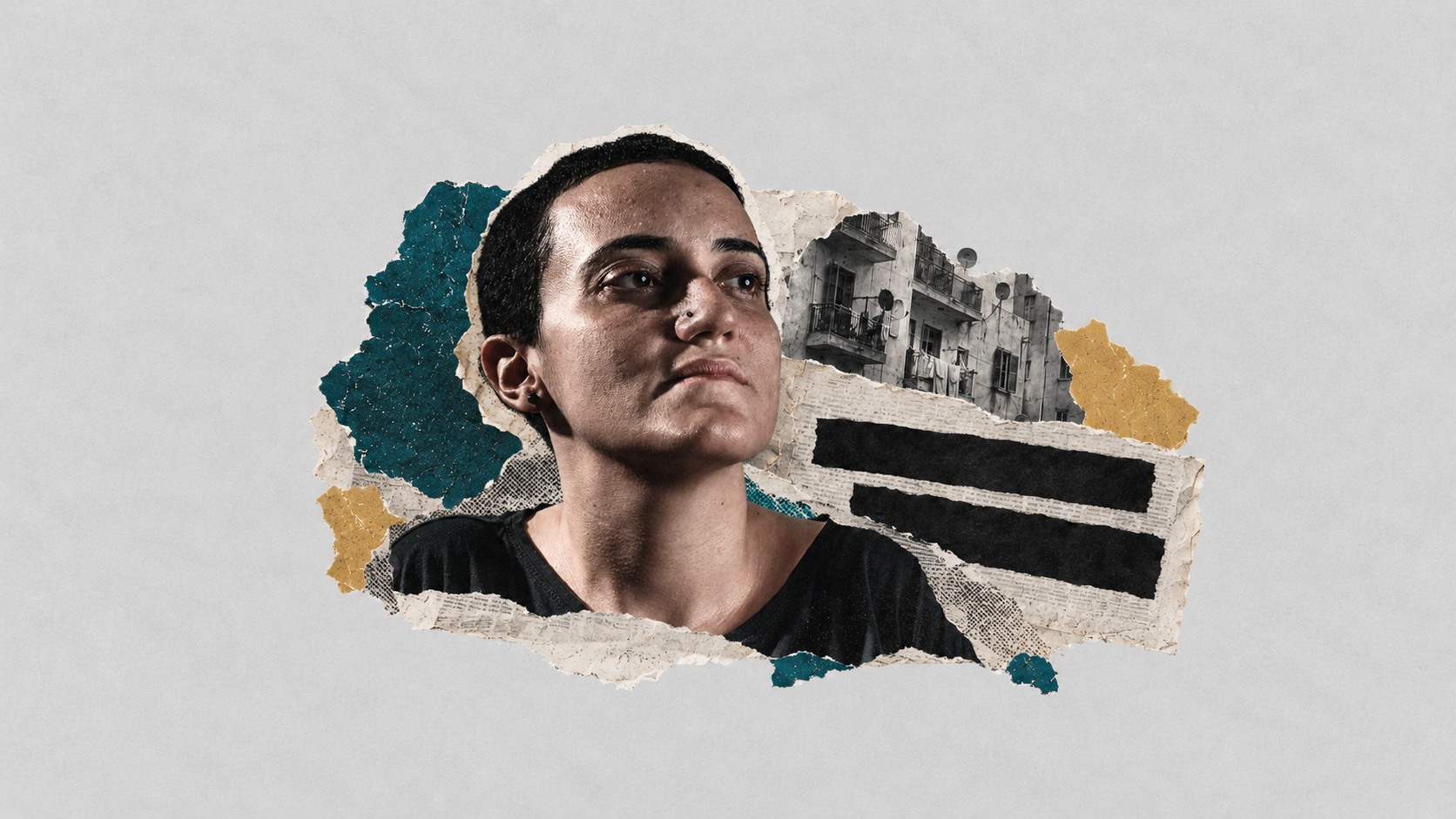
On the evening of Monday 28 September, security forces raided the homes of journalists Mohamed Ashraf Abu Omeira and Abdullah Qadri, of the team of the fact-checking platform “Matsda2sh”, and seized their phones and computers. Over the following hours the campaign widened: Islam Barakat from his home in Gharbia, Omar Helal from Port Said, then Mohamed Mahmoud and Mohamed Adel from a street in Cairo, as documented by the Egyptian Initiative for Personal Rights, which is providing legal representation for the team and which called on the Prosecutor General, Counsellor Mohamed Shawky, to open an urgent investigation to reveal their places of detention, and held the Public Prosecution responsible for their safety. Six names that make up the platform’s entire editorial team, without any official body announcing a single charge or acknowledging that it is holding anyone.
As of this issue going to press on 30 September, none of the six had appeared before an investigating authority, as lawyer Nasser Amin told “Mada Masr”, expecting them to be brought before the Supreme State Security Prosecution on charges under the Anti-Terrorism Law: publishing false news, joining a terrorist group and misusing social media. Islam Barakat’s family recounted that members of the force blindfolded him and handcuffed him and told his relatives they would bring him back within a quarter of an hour, so the family sent telegrams to the Prosecutor General, the Minister of Interior and the First Attorney General of the State Security Prosecution to reveal his place of detention. The platform said that the six journalists are “Egyptian journalists who carry out their work openly”.
“Matsda2sh” is not an opinion platform; it began working in fact-checking about eight years ago: the editor picks up a circulating claim, an official statement or a widely shared image, checks it against the original documents and data, and publishes the result with the evidence. The campaign came five weeks after a statement by the Minister of State for Information, Diaa Rashwan, on 20 August under the title “We confront rumours and protect freedom of opinion through the law”, in which he described his message to journalists as “a necessary venting” and announced preparations for an annual media meeting in December in implementation of presidential directives to make room for opinion and counter-opinion, and one week after his meeting on 21 September with the editors-in-chief of licensed websites and his proposal of “a unified entity” that websites would join, a proposal to which the Journalists Syndicate responded that any parallel syndicate violates Article 77 of the constitution, and its deputy head Mohamed El-Garhy demanded that the minister be transferred to the register of non-practising members, before the minister denied what had been understood from his words.
A syndicate that cries out for non-members
On the night following the raids, the Freedoms Committee of the Journalists Syndicate issued a statement in which it declared its full solidarity with Abdullah Qadri and Mohamed Ashraf, described their arrest and the search of one of their homes as “a violation of the law and the constitution”, and demanded the immediate release of the two of them and of all those detained in opinion and publishing cases. The committee’s head, Eman Auf, said that adding new journalists to the list of detainees “disregards the law and the constitution”, and summed up the syndicate’s position, as it follows up the complaints over the arrest of six colleagues at the platform, in a single sentence: “There is no difference between a syndicate member and a non-member”.
And the head of the Journalists Syndicate, Khaled El-Balshy, submitted an official report to the Prosecutor General and an urgent complaint to the Minister of Interior, Major General Mahmoud Tawfik, in which he demanded the immediate release of the six journalists and the disclosure of the circumstances of their arrest, its reasons and their places of detention. The syndicate said that one of the six holds its membership and that their arrest was carried out in violation of the guarantees set out in the syndicate law and the constitution, and El-Balshy tasked the legal department with following their situation “moment by moment”. It is the same position the syndicate took with the platform’s editor Karim Asaad in August 2023, when a security force raided his home at dawn in El-Shorouk city and deleted from the platform’s accounts two posts about the identity of Egyptian passengers on a plane seized in Zambia loaded with cash and gold, and the syndicate’s intervention led to his release in less than two days.
The Arrest of Egypt’s Entire Fact-Checking Team Is a Message to Every Journalist: Just Believe Us
The record of those who came before them
The campaign was not the first of its kind. On 22 July 2024, a security force in plain clothes stormed the home of Ashraf Omar, the cartoonist at the “Al-Manassa” website, and led him blindfolded to an unknown location, and he remained disappeared for two days during which he was subjected, according to eleven human rights organisations, to beating and threats of electric shocks, before he appeared before the Supreme State Security Prosecution on charges of joining a terrorist group, publishing false news and misusing social media, over cartoons that criticised the sale of state assets and power cuts, and his detention was renewed in sessions held by video, one of which did not exceed a quarter of an hour. Days before him, journalist Khaled Mamdouh was arrested and disappeared for days before appearing before the same prosecution. In May 2026, the State Security Prosecution questioned three members of the Committee for the Defence of Prisoners of Conscience in case 4502 of 2026 on a charge of publishing false news. Egypt ranks 169th out of 180 countries in the 2026 World Press Freedom Index issued by Reporters Without Borders, and it is the sixth worst jailer of journalists in the world according to the Committee to Protect Journalists, which counted 18 Egyptian journalists behind bars in its latest report, before the September campaign.
Hamdy El-Zaeem: ten full years
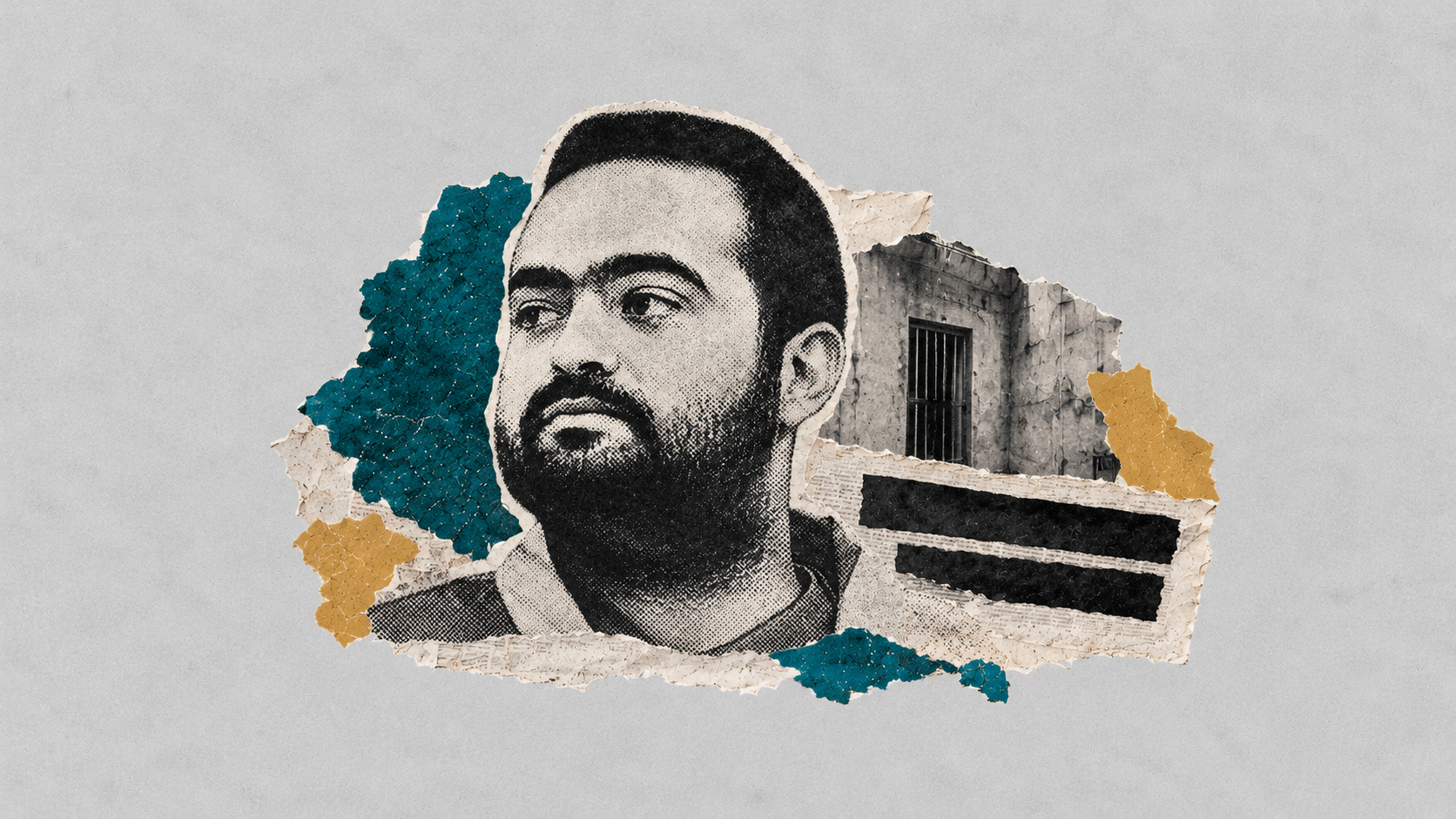
On 26 September, photojournalist Hamdy Mokhtar Ali, known as “Hamdy El-Zaeem”, completed ten full years of deprivation of liberty in its various forms, between pretrial detention, precautionary measures and judicial prosecution, without a final conviction. Before his trial session on 27 September, 16 human rights organisations called in a joint statement for his immediate release.
According to the statement published by the Committee to Protect Journalists, security forces arrested El-Zaeem for the first time in September 2016 in front of the Journalists Syndicate, and he remained in pretrial detention in connection with case No. 15060 of 2016 Qasr El-Nil misdemeanours, until in June 2018 the court replaced his detention with precautionary measures, which he fully complied with. But security forces arrested him again on 4 January 2021 after he left the police station, and he lost contact with his family and lawyers for 12 days before he appeared before the Supreme State Security Prosecution on 16 January 2021 in connection with case No. 955 of 2020 on charges of joining a terrorist group and participating in a criminal agreement. Since that date, his pretrial detention has exceeded the maximum set by law, which is two years, before he was referred to trial with dozens of defendants in the same case. As of this issue going to press, Zawia3 had not been able to learn the outcome of the 27 September session.
Ahmed Douma appeals his one-year sentence
In September, lawyer Hoda Nasrallah, legal director at the Egyptian Initiative for Personal Rights, filed an appeal in cassation against the ruling upholding the one-year prison sentence of writer and poet Ahmed Douma and his fine of EGP 200 (about USD 4) in case No. 4894 of 2026 Fifth Settlement misdemeanours. The case concerns an article Douma published under the title “From the prison inside the state to the state inside the prison” and posts on his accounts in which he addressed his experience in Badr prison and the conditions of detention of prisoners, including the constant lighting, which he described as a means of depriving detainees of sleep. The Fifth Settlement Misdemeanour Appeals Court had upheld on 16 July the ruling convicting him on a charge of “publishing and broadcasting false news at home and abroad liable to disturb public security, spread terror among people and harm the public interest”. The appeal includes pleas of the court’s lack of subject-matter jurisdiction, of the application of Article 71 of the constitution, which prohibits custodial sentences in publishing offences, of the unconstitutionality of some of the penal provisions used, and of deficiencies in the ruling and breach of the right of defence, along with a request to suspend the execution of the sentence until a decision is made on it.
Peter Tawfik: detention over a novel
On 17 September, the detention of writer and novelist Peter Tawfik Kamal was renewed for 15 days in connection with case No. 1184 of 2026 administrative, Mallawi police station. The Law and Democracy Support Foundation and the Egyptian Commission for Rights and Freedoms say that the prosecution is linked to his opinions, beliefs, posts and literary works, among them the novel “Goodbye, My Dear God”, and Tawfik faces charges of “exploiting religion to promote extremist ideas with the intent of contempt of the heavenly religions via the international information network”. His family says he went to the National Security headquarters in Mallawi on 14 April in response to a summons and remained in detention until he appeared before the prosecution on 22 April, while the arrest report contains another account of his arrest on a public road. The two organisations are calling for an investigation into the circumstances of his detention, for his release and for guaranteeing his access to health and psychological care.
Foreign journalists: a release and deportations
The Egyptian authorities released Sudanese journalist Attaf Mohamed Mokhtar, editor-in-chief of the newspaper “Al-Sudani”, after raiding his home at dawn on 8 September and taking him to an unknown location. According to the Refugees Platform in Egypt, the authorities had previously deported Syrian journalist Samer Mokhtar, journalist Kennedy Nimaya from South Sudan and Sudanese writer Idris Ali Babiker.
2. Legislation and fair trial guarantees
The law: another year without a new criminal procedure law
The law postponed hours before it took effect
Hours before the date set for the new Criminal Procedure Law to come into force on 1 October, the House of Representatives gave final approval on 30 September, in an extraordinary session, to a bill submitted by MP Hisham El-Hosary postponing the application of Law No. 174 of 2025 for a full year, so that it comes into force on 1 October 2027. The Constitutional and Legislative Affairs Committee justified the postponement by the need to complete “the regulatory, institutional, technical and human requirements”, and the Minister of Parliamentary Affairs, Counsellor Hany Hanna, said that the government had not submitted the postponement bill but had merely given its opinion, and that some courts, including the felony appeals courts that the law creates, “are still in the establishment phase”. MP Diaa El-Din Dawoud objected, asking what the government had done during the year that had been available for preparation.
The House of Representatives had passed the law in April 2025 after months of discussion, then reconsidered eight articles in response to presidential observations and approved the final wording in October 2025, with its entry into force set for the first of October following its publication. The state marketed the law as a historic solution to the pretrial detention file, with seven alternatives to detention instead of three and controls on its durations, while Human Rights Watch, in its review of the draft, found that it maintains the Public Prosecution’s monopoly over the decision to investigate public officials, which for decades has contributed to near-total impunity for torture, and Amnesty International noted that the draft was drafted without public consultations with civil society and human rights lawyers. Thus the law restricting pretrial detention began its additional year with six journalists detained whose whereabouts and charges are unknown, outside the guarantees of both the old and the new laws.
Five years of the national strategy: “a meagre harvest”
The Egyptian Initiative for Personal Rights questioned the extent to which the National Human Rights Strategy, launched in September 2021, has achieved its goals before the transition to a new strategy, which the presidency announced in September 2025 it intended to prepare, coinciding with the presentation of the fourth implementation report of the first strategy. In a report issued in September, the Initiative presented an assessment at the levels of legislation, institutions and practice, in which it concluded that the strategy’s results remained limited compared with its targets: detention and prosecution over political and human rights activity continued, as did restrictions on civil society and the media, and new patterns of violations emerged. It called on the Supreme Standing Committee for Human Rights, the National Council for Human Rights and parliament to carry out a public evaluation of the strategy, complete its unfulfilled goals and link any new strategy to clear mechanisms of oversight and accountability.
On 12 September, three human rights organisations, the Committee for Justice, the Egyptian Commission for Rights and Freedoms and the organisation “DIGNITY” (the Danish Institute Against Torture), launched a document titled “Reform or slogans? A civil society benchmark for criminal justice reform in the Egyptian National Human Rights Strategy 2027 to 2032”, which they described as a “shadow strategy”. The document puts forward six areas for reform: the legal framework and remedies; emergency powers, counter-terrorism and national security; the prevention of torture and ill-treatment; enforced disappearance; liberty, detention and the treatment of those deprived of their liberty; and the administration of justice, fair trial and the independence of the judiciary. It calls for defining the responsibilities of government bodies, timelines and measurement criteria, and for allowing genuine participation by civil society and the public.
3. International human rights accountability
The United Nations and Europe
13 UN experts call for an investigation in North Sinai
In September, 13 special rapporteurs and mandate holders within the framework of the United Nations special procedures called on the Egyptian government to receive the Special Rapporteur on the promotion and protection of human rights while countering terrorism, Ben Saul, on an official follow-up visit, about 17 years after the mandate’s only visit in 2009, with recommendations to ensure that counter-terrorism measures are consistent with Egypt’s obligations under international law. The recommendations included an independent investigation into reports of the existence of mass graves in North Sinai, identifying the victims, informing their relatives and holding those responsible to account, and a comprehensive investigation into the alleged violations and disclosure of the fate of the forcibly disappeared, warning that some of the incidents may be linked to war crimes and crimes against humanity.
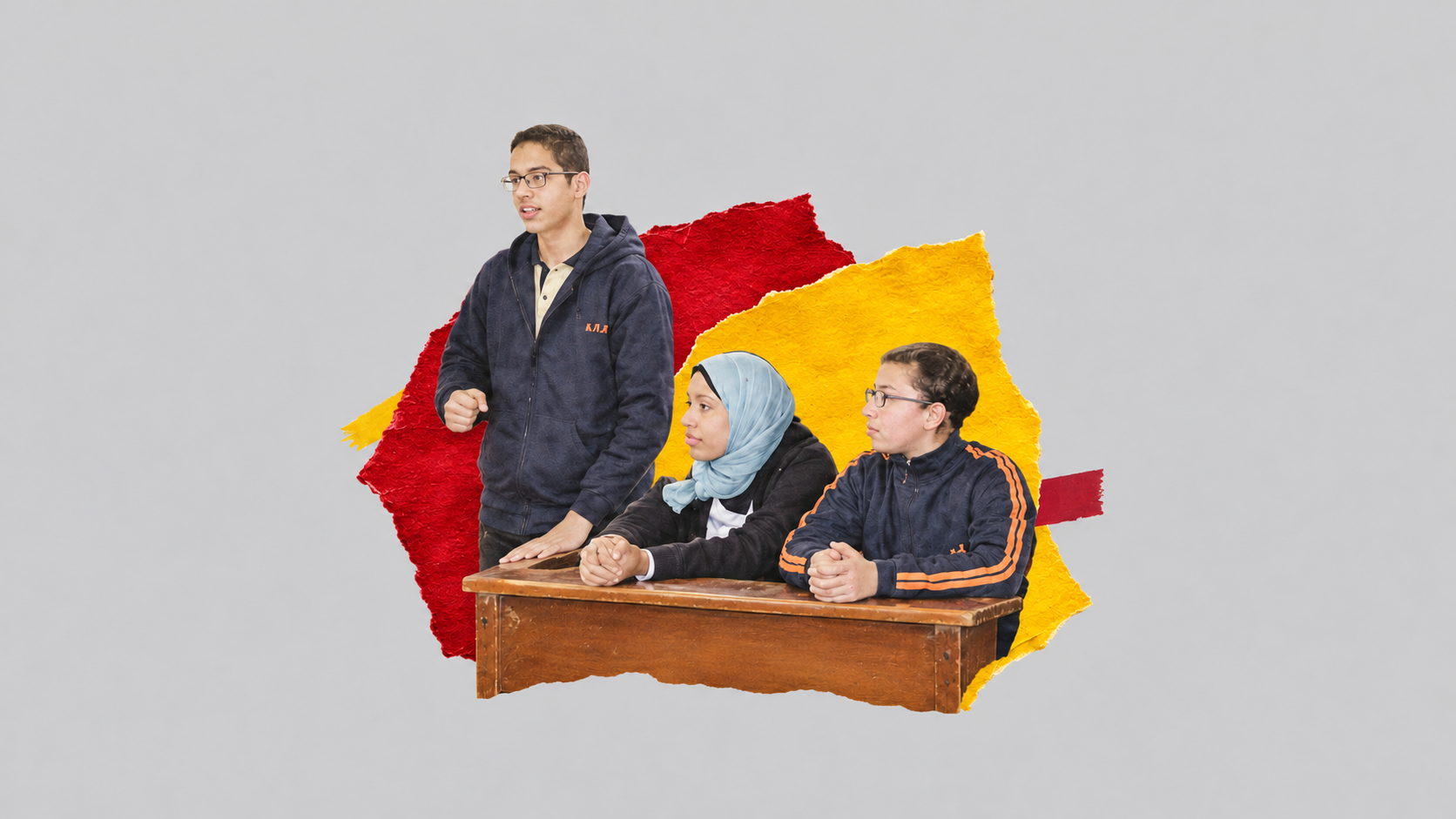
On 13 September, at the start of the school year, parents and students from the Al-Nakhlat community in the town of Sheikh Zuweid organised a vigil demanding the rebuilding of the community’s school, which was destroyed during the years of fighting, so that students would not have to travel about 3 kilometres to the nearest school in the absence of safe transport. After some residents published a video of the vigil, the Sheikh Zuweid educational administration filed a report against one of the participants over his publishing it, and security forces arrested eight of the participants, six of whom were later released, while Emad Salam Moussa El-Gebaly and Sami Kayed Mezyoun remained in detention, and appeared, days after their disappearance, before the Supreme State Security Prosecution on 16 September in connection with case No. 7353 of 2026 Supreme State Security on a charge of misusing the international information network. The prosecution ordered them detained and placed in Al-Asher prison No. 6, and set the renewal session for 27 September; Zawia3 had not been able to learn its decision as of this issue going to press.
The water rapporteur: the first visit since 2009
The Human Rights Council, at its session held in September, discussed the report of the Special Rapporteur on the human rights to safe drinking water and sanitation, Pedro Arrojo-Agudo, following his visit to Egypt in February 2026, the first visit by the mandate since 2009. The rapporteur expressed concern about Law No. 172 of 2025 regulating the drinking water and sanitation utility, the increased participation of the private sector, and the prepaid meter mechanism that allows water to be cut off automatically when the balance runs out without sufficient guarantees for the basic uses of poor households, and the lack of transparency in the results of water quality testing: the competent authorities carry out about 13 million tests a year and do not publish their results on the grounds of national security or the difficulty of the public understanding them, while publishing what are described as “rumours” about water quality is criminalised. The report praised the expansion of networks and the rise in sanitation coverage in urban areas from 79% in 2014 to 96% in 2025, and in rural areas from 12% to about 60%, but it noted disparities in the distribution of services and investments between regions, and rejected treating water scarcity as a justification for not providing the minimum, which is 50 litres per person per day by the UN standard.
لم تعد تدفقات النيل تخضع للأمطار: كيف غير سد النهضة طبيعة النهر إلى الأبد؟
Human rights in Egypt before the European Parliament
At a session of the European Parliament’s Subcommittee on Human Rights on 2 September, the Egyptian Initiative for Personal Rights presented its assessment of the human rights situation in Egypt during the previous year, focusing on the continuation of arrests and pretrial detention in political cases, restrictions on human rights defenders, the blocking of independent websites, prosecutions linked to beliefs and so-called “family values”, and the situation of refugees and asylum seekers, alongside economic pressures and the rising cost of living. The Initiative criticised an assessment by the European Commission that held that Egypt had made progress on the human rights file, in the context of the conditions for disbursing a new tranche which the Initiative said is worth EUR 1.5 billion out of the total macro-financial assistance of EUR 5 billion within the EU-Egypt partnership package.
Feminist concern over a UN merger
A group of civil society organisations in Egypt expressed, in a statement, their concern over the proposal to merge UN Women and the United Nations Population Fund within the United Nations reform initiative “UN80”, rejecting that reform should come at the expense of the rights of women and girls and of sexual and reproductive health and rights, and called for deliberation, independent assessments of the impact of the merger, the study of non-structural alternatives, and guaranteeing the participation of feminist organisations in the decision.
4. Personal liberty and prison conditions
Courts and prisons
August figures: 32 death sentences and 75 cases of disappearance
During August 2026, the criminal courts, at first instance and appeal, issued death sentences against 32 defendants in 19 cases, and referred the papers of 41 defendants to the Grand Mufti of the Republic in 16 other cases, and two people were executed in two cases, according to the monitoring of the Egyptian Initiative for Personal Rights. And the “El Nadeem” Center recorded in its monthly archive for August 75 cases of enforced disappearance, 24 cases of killing and 11 deaths inside places of detention, in addition to dozens of incidents of torture, abuse and deliberate medical negligence, at a time when Egypt remains outside the list of states that have signed the International Convention for the Protection of All Persons from Enforced Disappearance.
The Second Terrorism Circuit: postponements to November and December
The Second Terrorism Circuit, sitting in Badr, continued to examine the cases referred to it and postponed them to distant dates to hear witnesses, add the seized items, review documents and hear the defence’s pleadings. Among them is case No. 1282 of 2024 State Security, which includes Haitham Ahmed Abdel Aziz, known as “Haitham Dabour”, and for which a session was set for 9 November to complete hearing the witnesses, alongside cases 5054 of 2024 (7 November), 722 of 2015 (11 November), 626 of 2021 (22 November, to add the seized items), 649 of 2020 (23 November) and 750 of 2019 (12 December, to review the documents).
In the last case, the circuit postponed the trial of Abdullah Amer Abdo to 12 December pending the attendance of the remaining defendants. It is the seventh case into which he has been re-entered after his acquittal in previous cases, in what human rights organisations call “recycling”: charging a detainee again in a new case instead of releasing him. Security forces had arrested him at his home on 6 April 2017, and his family and human rights organisations say he remained forcibly disappeared until he was brought before the prosecution in May of the same year. He is currently serving a 15-year maximum security prison sentence in case No. 3354 of 2020 Emergency State Security, Agouza, and was then summoned from his place of detention on 26 August 2024 for questioning in case 750 of 2019 on charges of joining and financing a terrorist group, preparing terrorist crimes and participating in a criminal agreement.
In the same vein, the circuit postponed the trial of human rights lawyer Hoda Abdel Moneim, a former member of the National Council for Human Rights, in case No. 730 of 2020 State Security, to 23 November to open the seized items; it is a case she faces after the end of the sentence she served in a previous case.
Sayed Moshagheb: unlawful assembly six hours after release
The First Circuit of the Cairo Criminal Court postponed to 20 October the trial of Sayed Ali Fahim, known as “Sayed Moshagheb”, and five others in case No. 7304 of 2026 Bulaq El-Dakrour felonies, registered as No. 4375 of 2026 Supreme State Security investigation, on charges of unlawful assembly and possession of fireworks, in order to complete hearing the prosecution and defence witnesses and to inquire with the traffic department whether the celebration of his release had disrupted traffic. Security forces had arrested him and his co-defendants six hours after his release at the end of April, and their detention was renewed until their referral to trial.
Leader of Ultras White Knights Re-detained Six Hours After Release
Detainees over supporting Palestine: two years and five months without trial
The Criminal Court decided, as human rights lawyer Nabih El-Ganadi reported, to continue the detention of the defendants in the case known in the media as the Palestine support case for 45 days pending investigations: Nael Hassan, detained for about five months; writer Hany Sobhy and Ayman Abdel Rahman, detained since October 2025; and Omar El-Ansary, Shady Mohamed, Shehab El-Din, Mohamed Diab and Abdullah Ahmed, held in pretrial detention for two years and five months, that is, beyond the maximum period of pretrial detention of two years under the current law.
The Shia case: eight released and 19 kept in detention
The Supreme State Security Prosecution decided to release eight defendants of five nationalities in case No. 5635 of 2026 State Security, known in the media as the “Shia case”: four Yemenis, a Saudi, a New Zealander, a Libyan and a Syrian, while it renewed for 15 days the detention of 19 other defendants in the same case, among them elderly people whose complaints about the hardship of detention and whose denial of belonging to any groups were relayed by human rights organisations. The defendants face charges of joining and financing a terrorist group.
Farag Mohamed: acquitted but not released
The family of Farag Mohamed Abdullah Taha submitted a formal notice to the First Attorney General of the Mansoura Appeals Prosecution demanding his release, after the court acquitted him on 10 September in his retrial in a case in which a ruling had been issued against him in absentia, while he remained detained at the New Damietta police station, so the Egyptian Commission for Rights and Freedoms submitted a complaint demanding an inspection of the police station and his release. According to his family’s account, Farag was detained in Germany while completing his residency procedures, then handed over to the Egyptian consulate and deported to Egypt on 11 February 2026, where he disappeared after his arrival and only reappeared after complaints to the Public Prosecution.
A prisoner’s wife seeks ICSI before the administrative judiciary
On 31 August, the First Circuit of the Administrative Court returned to pleadings, at a session on 5 December, a lawsuit filed by the Egyptian Center for Economic and Social Rights on behalf of a citizen, demanding the annulment of the administrative authorities’ refusal to enable her to obtain samples and tests from her husband, who has been sentenced to 15 years in a maximum security prison, in order to complete ICSI at her own expense. The case dates back to a couple from Fayoum who married in 2014; the wife, aged 36, underwent an ICSI procedure that succeeded in achieving a pregnancy with triplets, before her husband was arrested in January 2015 and sentenced to 15 years in prison in 2022. The State Commissioners Authority had recommended in April 2025 that the wife was entitled to obtain the samples and tests. Human rights lawyer Malek Adly, the center’s director, tells Zawia3: “This case is an opportunity for the state to look at the humanitarian side of the suffering of the families of political prisoners who have been deprived of their right to have children and form a family because of the long durations of their sentences, merely for belonging to different political currents or holding different political ideas”.
19 building materials traders: the second renewal in Badr
On 14 September, the Second Terrorism Circuit renewed for 45 days the detention of 19 building materials traders in Qalyubia in connection with case No. 10709 of 2025 Supreme State Security. The State Security Prosecution had brought them before it in batches between 23 and 25 December 2025 after varying periods of disappearance, and they face charges of joining a terrorist group, unlawful assembly and publishing false news; human rights defenders link their arrest to their selling building materials to the residents of Warraq Island. Human rights lawyer Maha Ahmed tells Zawia3 that the rule is to release them unless there are serious and specific legal grounds, and that “commercial dealings with the residents of Warraq Island cannot, in themselves, be a reason for detention or for a terrorism charge”.
الطوب والأسمنت في ملف «الإرهاب»: 19 تاجرًا في الحبس منذ ديسمبر على خلفية البيع لأهالي الوراق
5. Freedom of belief and equal citizenship
Belief: Baha’is between limited recognition and administrative erasure
A study by the Egyptian Initiative for Personal Rights titled “Departure or Annihilation” addresses the situation of Baha’i citizens in Egypt between 2009 and 2025, and documents the continuation of legal and administrative obstacles despite the 2009 ruling of the Supreme Administrative Court that recognised the right of followers of officially unrecognised religions to obtain identity documents that do not state a religion they do not profess. The ruling led to an amendment of the executive regulations of the Civil Status Law allowing a dash to be placed in the religion field, but benefiting from this remained conditional on the existence of earlier documents for the person or one of their parents containing “Baha’i”, a dash or “other”. According to the study, the restrictions extended to marriage, registering children’s details, inheritance, work and burial, so that obtaining basic rights remained dependent on administrative procedures and the discretion of employees.
6. Refugee rights and access to education
Refugees: an extra year for the “host” system and a third year outside schools
On 9 September, the government approved extending by one year the period for regularising the status of foreigners residing irregularly under the “host” system, a system that requires an Egyptian sponsor and administrative fees equivalent to USD 1,000 (about EGP 48,000) to obtain a residence permit. Nour Khalil, director of the Refugees Platform in Egypt, says that the decision does not apply to Sudanese and Palestinians, nor to those registered with the refugee agency, whether new arrivals or holders of refugee and asylum-seeker cards, so it has nothing to do with refugees and asylum seekers.
With the start of the 2026/2027 school year, the fears of thousands of refugee families that their children would remain outside schools were renewed, amid continuing administrative and legal obstacles to enrolment and the closure or suspension of a number of community schools and community education initiatives without alternatives. And the Platform warned that large numbers of refugee and asylum-seeking children would be deprived of education for the third consecutive year, despite Egypt’s international obligations and the provision of Egyptian law on the right of the refugee child to basic education.
7. Housing, property and protection from eviction
Housing and expropriation: from Tora to El-Marg
Tora El-Balad: 1,640 feddans on the Nile
On 9 September, residents of Tora El-Balad, south of Cairo, protested against the eviction of their homes as part of an official plan to develop the Nile waterfront from Athar El-Nabi to Tora prison, over about 1,640 feddans with a frontage about 11 kilometres long. The crisis goes back to Decree No. 1643 of 2026, issued by Cairo Governor Ibrahim Saber on 11 August, forming a committee headed by the head of the Tora district to survey the properties and land in the area defined by the attached map and coordinates, in preparation for compensation procedures. Ibrahim Ezz El-Din, founder of “Diwan Al-Omran”, believes that the real criterion for judging the plan is the fate of the residents after its implementation, and he tells Zawia3: “Developing Tora does not necessarily require evicting its residents; rather, it is possible to improve the infrastructure, rehabilitate the buildings, organise the streets and land uses, and develop the Nile waterfront gradually while keeping the residents; good planning must integrate the existing community into the development”.
Egypt.. Developing Tora’s Nile Waterfront or Displacing Its Residents for Investors?
Belbeis and Ezbet El-Haggana
In September, the Prime Minister issued Decree No. 2450 of 2026 renewing the public-benefit status of the Belbeis, 10th of Ramadan and Robiki railway line project in Sharqia governorate. The expropriation works covered about 30 feddans (126,000 square metres) spread over 340 plots of land, affecting about 340 families, with compensation estimated at about EGP 175 million (about USD 3.6 million), according to Diwan Al-Omran. In Cairo, Ezbet El-Haggana in the Nasr City district witnessed during September the evacuation of 76 buildings and the removal of 35 other buildings as part of the second phase of the development of “Madinat Al-Amal”, which Cairo governorate is carrying out with the Armed Forces Engineering Authority and the “Contrack” urban development company.
Ghazl Damietta: 350 families and eviction notices
About 350 families in the “Ghazl Damietta” housing face the threat of eviction, after more than half a century of living in units owned by the Damietta Spinning and Weaving Company (Dumyatex), which belongs to the public business sector, as in August they received official notices by post demanding that they vacate their units. The residents are retired workers and their wives and children, who hold registered open-ended lease contracts, some of which date back to 1998, and who pay a rent that has risen from about EGP 19.56 (about USD 0.4) to EGP 250 (about USD 5.2). MP Diaa El-Din Dawoud, member of the House of Representatives for the first district of Damietta, tells Zawia3 that most of the current residents are the children of workers who have lived in this housing since their childhood, and that some families have lived there for 40 or 50 years: “The issue is not merely a housing problem, but part of a recurring pattern in dealing with utility housing, as disputes arise between companies and workers and their families over the units that the state or the companies provided to workers at earlier stages”.
نصف قرن من الإقامة وعقود موثقة لم تحمِ 350 أسرة من إنذار الإخلاء في غزل دمياط
The El-Marg Axis: compensation per room rises to EGP 60,000
The publication in the Official Gazette, in its issue 37 released on 10 September, of Prime Minister’s Decree No. 2449 of 2026 expropriating the land and properties needed for the El-Marg Axis project within Qalyubia and Cairo governorates raised fears among the residents of El-Marg, El-Khanka, El-Qalag, El-Gabal El-Asfar and Abu Zaabal of demolitions affecting their homes and shops that overlap with the project, and of insufficient compensation, delays in paying it and the high cost of alternative housing. MP Bothaina Abu Zeid tells Zawia3 that a number of MPs met the Deputy Prime Minister and Minister of Industry and Transport, Lieutenant General Kamel El-Wazir, to discuss the situation of those affected, and that the value of social compensation was raised from EGP 40,000 (about USD 828) to EGP 60,000 (about USD 1,242) per room, with compensation varying according to the legal status of the property; that those who object to the valuation can resort to the courts; that residents will not be evicted before their entitlements are paid; and that implementation of the axis has been postponed until 2030 and its final route has not been settled, after the minister approved the formation of a committee to visit the area and study engineering alternatives that reduce demolitions.
8. Work, wages and social insurance
Labour, wages and pensions
The National Wages Council: 18 months without a meeting
The Center for Trade Union and Workers’ Services submitted a memorandum to the Minister of Planning, Economic Development and International Cooperation, Rania Al-Mashat, in her capacity as head of the National Wages Council, demanding that the council convene urgently to discuss raising the minimum wage for workers in the private sector and irregular workers. The memorandum relies on Prime Minister’s Decree No. 2170 of 2026, which set the minimum wage for government employees at EGP 8,000 (about USD 166), Law No. 75 of 2026 concerning those not covered by the Civil Service Law and workers in the public business sector, and the bonuses and incentives decided for state employees, and it says that the council has not met since March 2025, even though Article 103 of Labour Law No. 14 of 2025 obliges it to meet at least every six months, while rising inflation and fuel and transport prices are squeezing the purchasing power of private sector workers, whose minimum wage has not been adjusted.
Samanoud Weaving: a strike for wages
A group of parties, unions and civil society organisations, among them the Bread and Freedom Party and the Egyptian Initiative for Personal Rights, declared their solidarity with the female and male workers of the Samanoud Weaving company who are on strike to demand the payment of their wages in full and on time, the application of the minimum wage, the payment of overdue bonuses, and the settlement of their insurance and medical status. The demands include paying the overdue wages without splitting them up, applying the minimum wage retroactively, paying the periodic bonuses, remitting the insurance contributions deducted from wages, and halting any punitive measures because of the strike, and the organisations in solidarity accuse the company’s management of making the workers bear the consequences of financial and administrative crises for which they bear no responsibility.
Water workers: bonuses postponed since 2016
The Egyptian Commission for Rights and Freedoms said that the workers of drinking water and wastewater companies are still waiting for special and exceptional bonuses overdue since 2016, despite court rulings in favour of some of them, coinciding with protests at a number of branches. At the Tebbin water station in Helwan, workers demanded the payment of the bonuses and an increase in allowances, among them the meal allowance, which does not exceed EGP 150 (about USD 3) a month, and the Commission documented a collective complaint from about 120 workers among the bill collectors and meter readers in Qalyubia, who said they had been subjected to pressure to give up their open-ended contracts and sign temporary contracts under an agency or labour-supply system, which in June reached the point of threats of dismissal.
Delta Spinning: 850 workers transferred before the factory is demolished
Organisations, among them the Revolutionary Socialists, criticised what they described as the forced transfer of about 850 male and female workers of the Delta Spinning and Weaving Company in Tanta to the Zefta factory, coinciding with the dismantling of the factory’s machines and the preparation of an auction for its demolition on 5 October, without prior negotiation with the workers or their representatives, which places the burdens of the transfer on them and may affect wages and production-linked incentives. This comes after the abolition of the Ministry of Public Business Sector in 2026, with a government pledge that the abolition would not lead to the liquidation of companies or the laying off of workers.
Al-Sharqiyoun for Urban Development: wages a year overdue
The Egyptian Commission for Rights and Freedoms said that complaints from workers of the “Al-Sharqiyoun for Urban Development” company recur over wages delayed for more than a year, deprivation of insurance, dismissal or resignations under pressure, and pressure to withdraw complaints submitted to labour offices, and it called on the Ministry of Labour to carry out a comprehensive inspection of the company’s sites and oblige it to pay the overdue wages, settle the workers’ insurance status and investigate the pressure.
Pensions: EGP 1,755 against EGP 8,000
A study by the Egyptian Center for Economic and Social Rights revealed a gap between the minimum wage, EGP 8,000, and the minimum pension, EGP 1,755 (about USD 36), that is, about 22% of it, and that 85% of pensioners receive less than EGP 5,000 (about USD 104) a month and the pensions of 95% of them do not exceed EGP 7,000 (about USD 145), at a time when the costs of food, housing and health care are rising. The Egyptian Commission for Rights and Freedoms said it continues to receive complaints about delays in settling and paying pensions since the electronic insurance system began to be applied in February 2026, despite the conditions being met, which disrupts the payment of rent and bills and the purchase of medicines.
9. Health and access to medicines
Health: medicine shortages before winter
The Egyptian Center for the Right to Medicine warned of a deterioration in the availability of medicines against the backdrop of a growing shortage of vital items it has monitored since July 2026, including oncology, blood, insulin, cardiac, dialysis, immune, psychiatric and hormonal medicines alongside common medicines, and of the crisis worsening with the onset of winter despite government measures to localise the industry and increase purchasing allocations. Mahmoud Fouad, the center’s head, attributes the crisis to the debts of the Unified Procurement Authority to pharmaceutical companies, amounting to about EGP 42 billion (about USD 870 million), difficulties in importing active ingredients, and rising production costs after increases in the prices of electricity, petrol and gas and the liberalisation of the exchange rate.
10. Women’s rights and protection from violence
Women: killing at home and work without protection
The FemiMap platform, launched by the “Tadwein” Gender Research Center, recorded the highest rates of killing and suicide of women and girls in Cairo and Giza, at 20.2% each, with 81.2% of incidents taking place inside the home, 55.6% of killings committed by current or former intimate partners, and extremely violent methods such as throat-cutting and stabbing used in about half of the cases. The Cairo Foundation for Development and Law issued a policy paper on the gaps in protecting underage girls from violence and re-victimisation, addressing risk assessment, the protection of the privacy of victims of sexual violence and the responsibility of the media, with recommendations to strengthen protection mechanisms.
And the Egyptian Initiative for Personal Rights criticised the continued deprivation by universities of married male and female students, or those previously married, of housing in university dormitories, and the requirement that a female student provide a declaration from two witnesses that she “has never been married”, and called on the Supreme Council of Universities to review the housing regulations and abolish conditions that discriminate on the basis of gender or marital status. In a policy paper titled “Precarious work for women in the industrial and agricultural sectors: protection gaps and risks of exploitation”, the Malaz Foundation for Supporting Women addressed the situation of female workers in temporary and daily work and through contractors and intermediaries, and the impact of the precariousness of the employment relationship on wages, occupational safety, leave, insurance and access to complaint mechanisms, and proposed strengthening oversight of precarious employment patterns, expanding legal and social protection and developing complaint mechanisms.