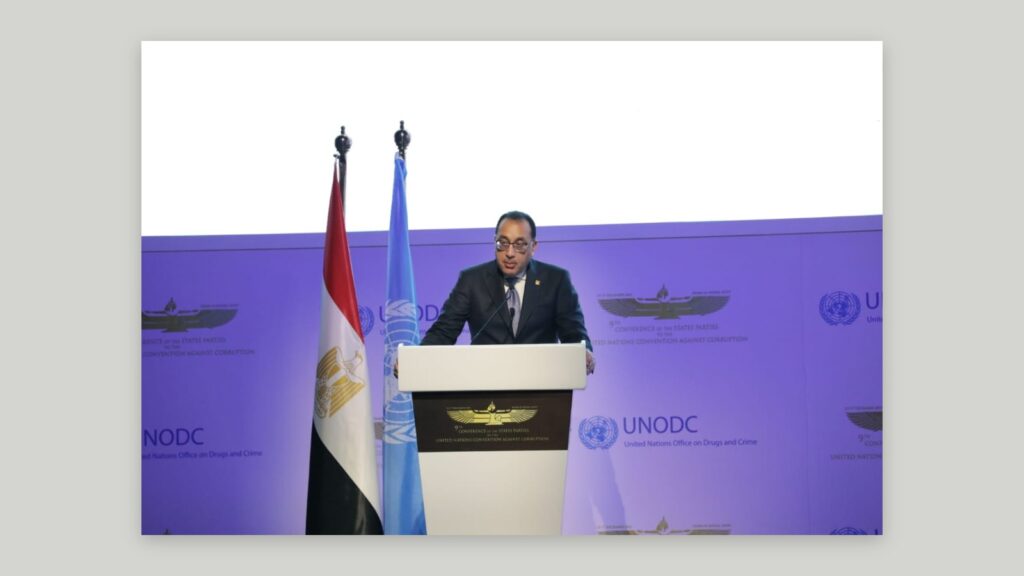

The Cabinet, chaired by Mostafa Madbouly, approved on Thursday, November 5, 2026, a draft decree to rationalize public spending in bodies included in the state budget and in public economic authorities during fiscal year 2026/2027, for three months from its entry into force unless a decision is issued to extend it. The government linked the decree to current events in the Middle East region and the resulting need to reorder spending priorities.
The decree requires all bodies to cut electricity and lighting consumption by 20% compared with average actual consumption in the same period of fiscal year 2025/2026, to cut fuel allocated to government vehicles by at least 30%, and to postpone or slow the implementation of fuel intensive national projects using diesel, mazut and gasoline for at least three months. It bans spending on publishing, advertising, publicity, parties, exhibitions, prizes and decorations, freezes at least 20% of the remaining allocations for purchasing goods and services, and requires Finance Ministry approval for any spending in foreign currency.
On investments, the decree postpones projects newly included in the current fiscal year, and bans contracting for them or starting any new projects until June 30, 2027, and bans contracting to buy passenger cars until the same date. It exempts the Health Ministry, university hospitals, national security purposes, loan interest and installments, social security pensions, Takaful and Karama, and subsidies for ration goods, and it exempts from the postponement of projects the Haya Karima initiative and the health, pre university education, interior, drinking water and sanitation sectors.
The rules require each body to send the Finance Ministry, within a month of the decree’s issuance, a detailed statement of the items and amounts it will freeze. On the same day, the Official Gazette published decrees by the prime minister granting new financial incentives to teachers, university faculty members and members of the medical professions.
Photo: United Nations Office on Drugs and Crime via Wikimedia Commons (CC BY 2.0)