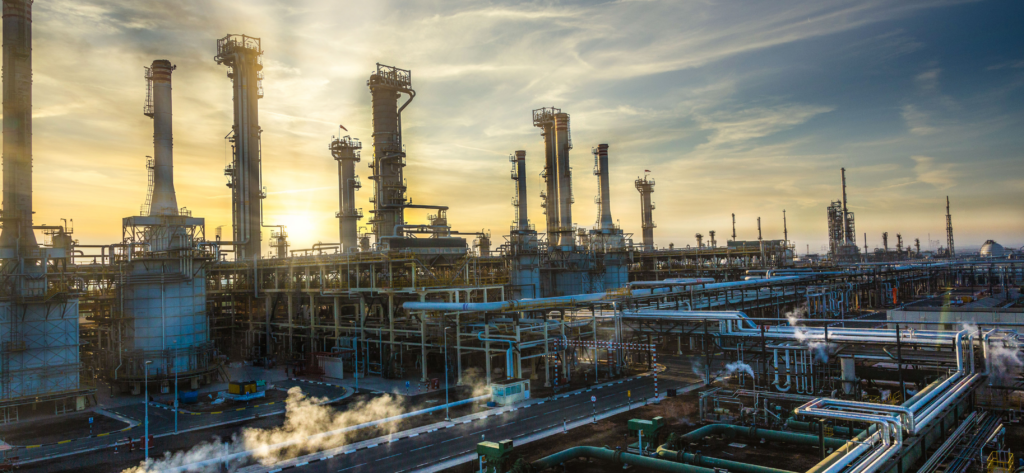

A report published by environmental bodies in the United Arab Emirates will surprise you when you read it. It warns of potential risks of climate change to the oil industry, in a country that ranks sixth in the world in the carbon dioxide emissions it releases into the world relative to its population.
The oil industry wields wide influence in the UAE, and its arms extend to academic institutions and environmental bodies under the slogan “supporting universities and taking part in sustainable environmental projects”, in a scene in which social responsibility activity and charitable donations mix with what can be described as the greenwashing of oil money.
An Intriguing “Academic” Presence
The Ministry of Climate Change and Environment launched the “UAE Climate Change Research Network”, which includes about a hundred researchers from various disciplines at universities inside the UAE.
The network, established two years (2021) before the organisation of the UN Climate Change Conference (COP28), aims to facilitate cooperation between scientists and researchers and to reduce knowledge gaps about the current and future effects of climate change on the UAE and the region in general, through specialised research, studies and scientific analysis, and by building an integrated database.
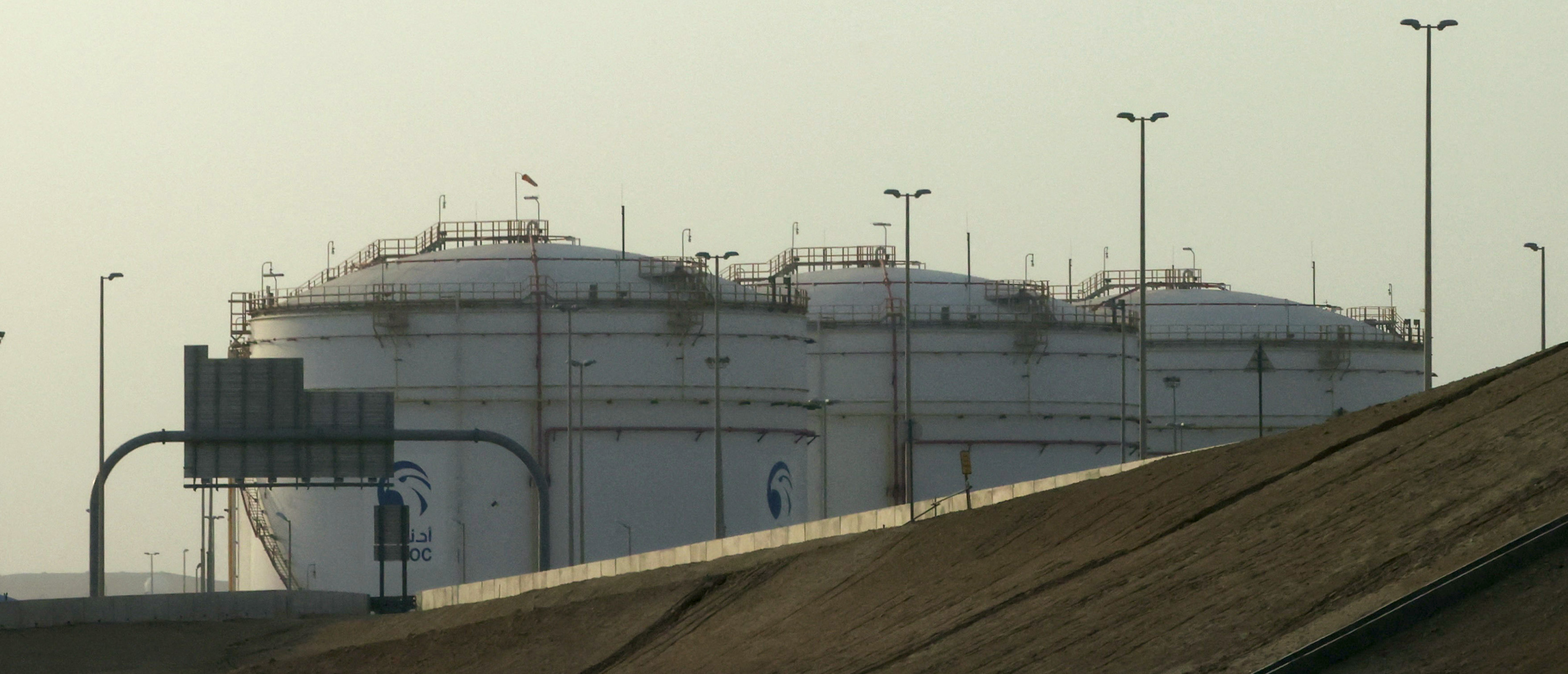
Dozens of researchers take part in the UAE Climate Change Research Network from universities whose boards of trustees include people holding senior positions at the Abu Dhabi National Oil Company (ADNOC), in addition to the research grants and financial support the company provides to those universities.
Researchers from UAE University and Zayed University, both public institutions, in addition to Khalifa University, make up about a third of the network‘s members.
The board of trustees of UAE University includes Tayba Al Hashemi, who is from ADNOC Offshore. Al Hashemi worked for more than two decades at the company and held several oil-related positions, including chief executive of Al Yasat Petroleum Operations, ADNOC’s newest joint operating company, in partnership with the China National Petroleum Corporation.
The university’s website describes Al Hashemi as having played a crucial role in opening up offshore and onshore hydrocarbon reserves to support ADNOC’s strategy of achieving gas self-sufficiency for the UAE, through her position as senior vice president of undeveloped reservoirs in the exploration and production directorate.
Al Hashemi appears in a promotional video for the Abu Dhabi International Petroleum Exhibition and Conference 2023, held from 2 to 5 October 2023, alongside chief executives of global oil companies, including Shell’s chief executive Wael Sawan, who promises, from the British capital, that Shell will work to achieve so-called net zero carbon emissions by 2050. The video also shows the chief executives of TotalEnergies, Aramco, Oxy and others making promises to cut carbon emissions and keep supplying energy.
ADNOC is one of the partners supporting research at UAE University. The university’s bylaws stipulate that donations are accepted with the approval of the university council.
This year the university funded a number of studies on climate change, as part of what it described as strengthening national efforts ahead of COP28; however, it did not disclose who funded that research.
ADNOC’s presence is not limited to UAE University: for years, the board of Zayed University included prominent names from ADNOC, before a new board was appointed this summer. ADNOC also appears on the list of clients of the university’s Institute for Community Service.
Khalifa University of Science and Technology was established by merging Khalifa University of Science, Technology and Research, the Masdar Institute of Science and Technology and the Petroleum Institute in the UAE.
Over the years, Khalifa University’s board of trustees has included prominent figures from ADNOC or its subsidiaries, most notably the group’s chief executive Sultan Al Jaber, who was appointed president of the Conference of the Parties to the United Nations Framework Convention on Climate Change (COP28), scheduled to be held in the UAE from 30 November to 12 December 2023.
The university with the largest share of participation in the UAE Climate Change Research Network is New York University Abu Dhabi. The university also chairs another academic community established ahead of the global climate conference, the “Universities Climate Network”, which includes about thirty universities in the UAE.
The universities network, established in April 2023, aims to mobilise support for the Conference of the Parties (COP28) by stimulating the participation of young people and academia in preparing for the conference.
A report published by New York University Abu Dhabi in 2016 reveals that the list of funders of external grants provided by the university includes two major oil companies, the Abu Dhabi National Oil Company (ADNOC) and ExxonMobil. The value of these grants, whose nature the report did not specify, reached $12 million. The list of funders also included research and academic institutions, national funds and charitable bodies in the UAE.
New York University Abu Dhabi is active in marine biology research. In 2021 the university signed an agreement with “Abu Dhabi Ports” to cooperate on research into relocating and resettling the coral reefs in the waters surrounding Khalifa Port. This research activity aims to contribute to identifying what was described as the best practices for relocating coral reefs, while providing region-specific expertise “that would enhance future coral relocation efforts in the Arabian Gulf”.
This project was preceded by a fifty-year agreement signed by “Abu Dhabi Ports” in 2016 with ADNOC Logistics and Services, the maritime shipping and logistics arm of the Abu Dhabi National Oil Company (ADNOC), with the aim of strengthening the oil company’s ability to provide logistical support to its existing projects and to develop new projects from the industrial city near Khalifa Port.
Production Expansion and “Environmental” Activity
ADNOC’s presence is not limited to the boards of trustees of academic institutions; the company also appears engaged in the activities of environmental bodies.
The Secretary General of the Environment Agency Abu Dhabi, Shaikha Al Dhaheri, described ADNOC as a strategic partner of the agency during the signing of a 2020 agreement that brought together ADNOC, the Ministry of Climate Change and Environment and the Environment Agency Abu Dhabi.
According to a press release published by ADNOC, its partnership with the Environment Agency and the Ministry of Climate Change and Environment helped allow the shared use of land and marine areas in the Emirate of Abu Dhabi, thereby paving the way for cooperation between industry and environmental protection. This partnership also allows data to be exchanged between ADNOC and the Environment Agency.
ADNOC’s partnership with environmental bodies does not seem strange, as it appears on the list of partners of the UAE Ministry of Climate Change and Environment. The ministry says it works with its strategic partners and stakeholders to protect the environment and to preserve, develop and efficiently invest its resources to ensure their sustainability in a way that achieves the UAE’s ambition and the goals of federal entities.
These partnerships have allowed the Emirati oil giant to take part in projects related to environmental decision-making: ADNOC contributed to drafting a resolution on air quality and took part in reviewing the resolution on concentrations of benzene and hydrogen sulphide in the atmosphere.
ADNOC also took part in the project to update greenhouse gas inventories by providing data related to its projects. The Environment Agency Abu Dhabi says the update showed a 27% drop in emissions from the oil and gas sector compared with 2016 levels.
In addition, ADNOC is a member of the technical committee for improving marine water quality, and it supports the Environment Agency in developing new tools to regulate marine water quality, such as the executive regulation on marine water quality, which aims to protect the marine environment in protected areas and contribute to preserving marine biodiversity, according to the Environment Agency.
ADNOC’s participation is not limited to projects related to air quality and marine water quality in the country; it also took part in the work of the project “Red List of Threatened Marine Species in the UAE in 2019”, at a time when the oil industry is one of the factors putting pressure on coastal ecosystems in the UAE, according to the United Nations Environment Programme.
The company promotes its environmental projects, such as planting mangroves to reduce the effects of climate change, rehabilitating endangered sea turtles and building artificial nesting platforms for ospreys, while its latest annual report reveals an increase of about 30% in direct greenhouse gas emissions related to its activity last year (2022), though the company attributes this increase to maintenance work on oil tanks it owns.
ADNOC acknowledges expanding its business in a way that increases the greenhouse gas emissions resulting from its activities, and does not hide its pursuit of increasing its oil production in the coming years. Meanwhile, Emirates Nature and the World Wide Fund for Nature appear concerned about potential effects of climate change on the future of the oil industry in the UAE, such as rising temperatures that may affect the efficiency of temperature-sensitive operations, and the possibility of cyclones that may threaten the petrochemical industry in the UAE.
German researcher in political geography and Arabian Gulf studies Natalie Koch explains that companies and states have many means of greenwashing oil money: in some cases oil companies reorganise themselves in a way that involves them in alternative energy files, while in other cases these companies contribute to environmental sustainability projects through social responsibility programmes, charitable donations or other corporate giving programmes, at the local or international level, according to the researcher.
At the end of last year (2022), Koch published the results of research she conducted on the greenwashing of oil money in the UAE. Koch says that governments made rich by the oil industry seek, like companies, to retain the benefits of oil money, while at the same time trying to remove the moral pollution associated with this industry.
Koch points out that the Emirati case highlights the importance of financial institutions and networks in shaping how corporate and government leaders seek to control energy systems and retain their profits, as well as to control the post-oil future. “They have many tools to launder their oil money, and their financial advisers work hard to find more creative opportunities,” according to Koch.
This report was produced with the support of ARIJ.