

The dreams of 25-year-old Doha were shattered on the Cairo-Alexandria Desert Road, on her last trip delivering goods to a customer on her “scooter”, her only means of escaping Egypt’s suffocating traffic and of overcoming economic conditions by improving her income working as one of the delivery couriers who fill Cairo’s streets. But the horrific accident she suffered that day prevented that.
Traffic accidents in Egypt are a pressing issue preoccupying public opinion. Despite the great efforts the state is making to develop infrastructure and improve roads, the accident rate remains high. Highways witness horrific accidents from time to time, resulting in many victims, and the causes of these almost daily accidents are many, requiring serious steps to curb these horrific accidents that claim thousands of lives every year.
| Egypt ranks fifth in the Arab world and 28th globally in the 2019 road quality index, a ranking that reflects the development of the transport sector and the improvement of road infrastructure in the country. Nevertheless, the annual bulletin of vehicle accident results for 2022, issued by the Central Agency for Public Mobilisation and Statistics, showed that October was the month with the highest number of road accident injuries, at 5,686 injuries in 2022, while February was the lowest, at 2,771 injuries in the same year. Male injuries reached 45,400 in 2022, compared with 41,670 in 2021, an increase of 9%, while female injuries reached about 10,591 in 2022, compared with 9,331 in 2021, an increase of 13.5%. |
According to the World Health Organization, road traffic crashes claim the lives of about 1.19 million people every year, a rate of more than two deaths every minute, with more than nine in 10 deaths occurring in low- and middle-income countries. Between 20 and 50 million other people suffer non-fatal injuries, many of them resulting in disability. Road traffic injuries cause considerable economic losses to individuals, their families and nations as a whole. These losses arise from the cost of treatment as well as the lost productivity of those killed or disabled by their injuries, and of family members who need to take time off work or school to care for the injured. Road traffic crashes cost most countries 3% of their gross domestic product.
Economic Stagnation: Fertile Ground for Rising Accident Rates
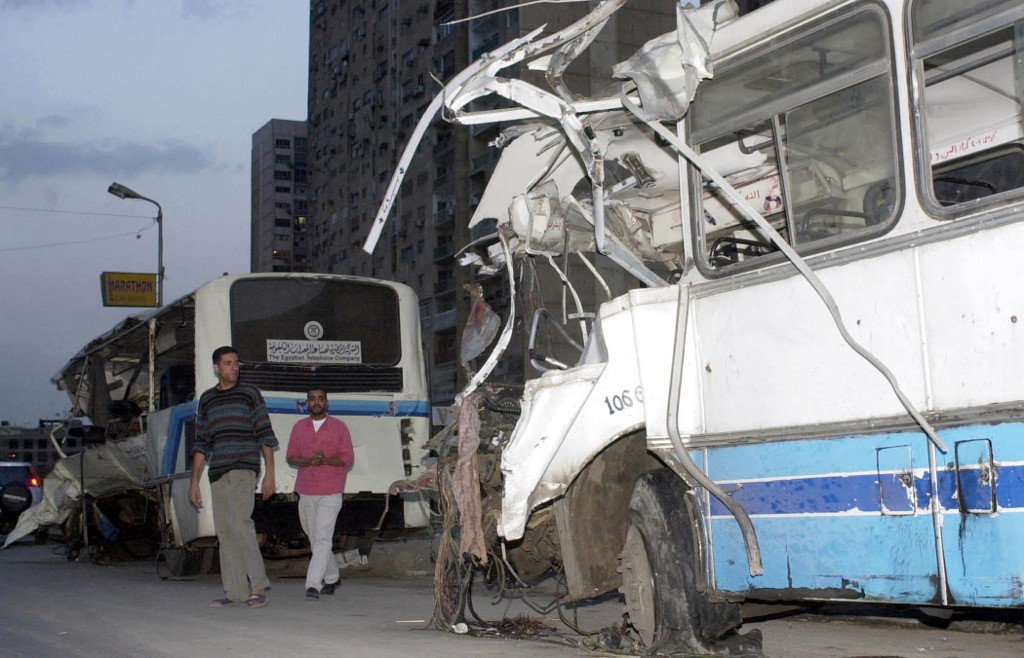
Doha started her work last October by collecting the goods to be delivered to the customer from the shipping company, heading to the Remaya area in Giza Governorate to deliver them. She says: “We often face traffic congestion because no lanes are allocated for motorcycles on the road, which makes us more vulnerable to accidents and collisions with cars and other vehicles, especially large lorries that do not respect their designated night-time hours”.
The book “Vision and Achievement”, which covers development projects in Egypt from 30 June 2014 to 30 June 2021, revealed the scale of the projects the state implemented during this period in the transport sector. According to the official data included, EGP 1.3 trillion was spent on road and bridge projects, railway development, metro lines and electric traction over seven years, including EGP 474 billion on road and bridge projects during that period, covering the construction of a new road network 7,000 kilometres long as part of the national roads project at a cost of EGP 175 billion, in addition to 10,000 kilometres of roads being doubled and upgraded at a cost of EGP 121 billion.
| EGP 140 billion was spent on flyover and tunnel projects implemented at traffic intersections, numbering 1,000 bridges and tunnels, some of which have been completed while others are under way, and 22 elevated axes are being built to connect the east and west of the Nile in Upper and Lower Egypt at a cost of EGP 38 billion. |
For his part, Seif El-Din Farag, professor of urban planning, listed to Zawia3 the causes of road accidents as the human factor, the vehicle and the roads used, explaining that the large development projects the state has recently adopted, including the development of roads and bridges, help solve many traffic problems and aim to reduce the rate and recurrence of accidents, but this has not helped eliminate them or slow their pace, especially since the driver is one of the most important factors in accidents. This may be because drivers have suffered in recent years from psychological stress as a result of the poor economic conditions Egypt has been going through for years, which affects drivers’ concentration and increases the likelihood of accidents.
He added that the new economic conditions have affected many drivers’ attention to the periodic maintenance of vehicles, which plays a major role in reducing mechanical problems while driving, especially with the noticeable rise in the prices of car spare parts and of maintenance centres themselves. In addition, excessive speed is one of the most prominent causes of accidents, in his words, despite the improvement in roads. To counter this, the state has resorted to increasing security monitoring and radars to try to reduce drivers’ speed, but awareness and education are still necessary to help confront these behaviours adopted by many road users.
The professor of urban planning praised the improved quality of roads and their routes, which have helped reduce traffic congestion and connect cities and areas in less time, along with the instructions the state imposes to respect speed limits in different areas, especially densely populated ones.
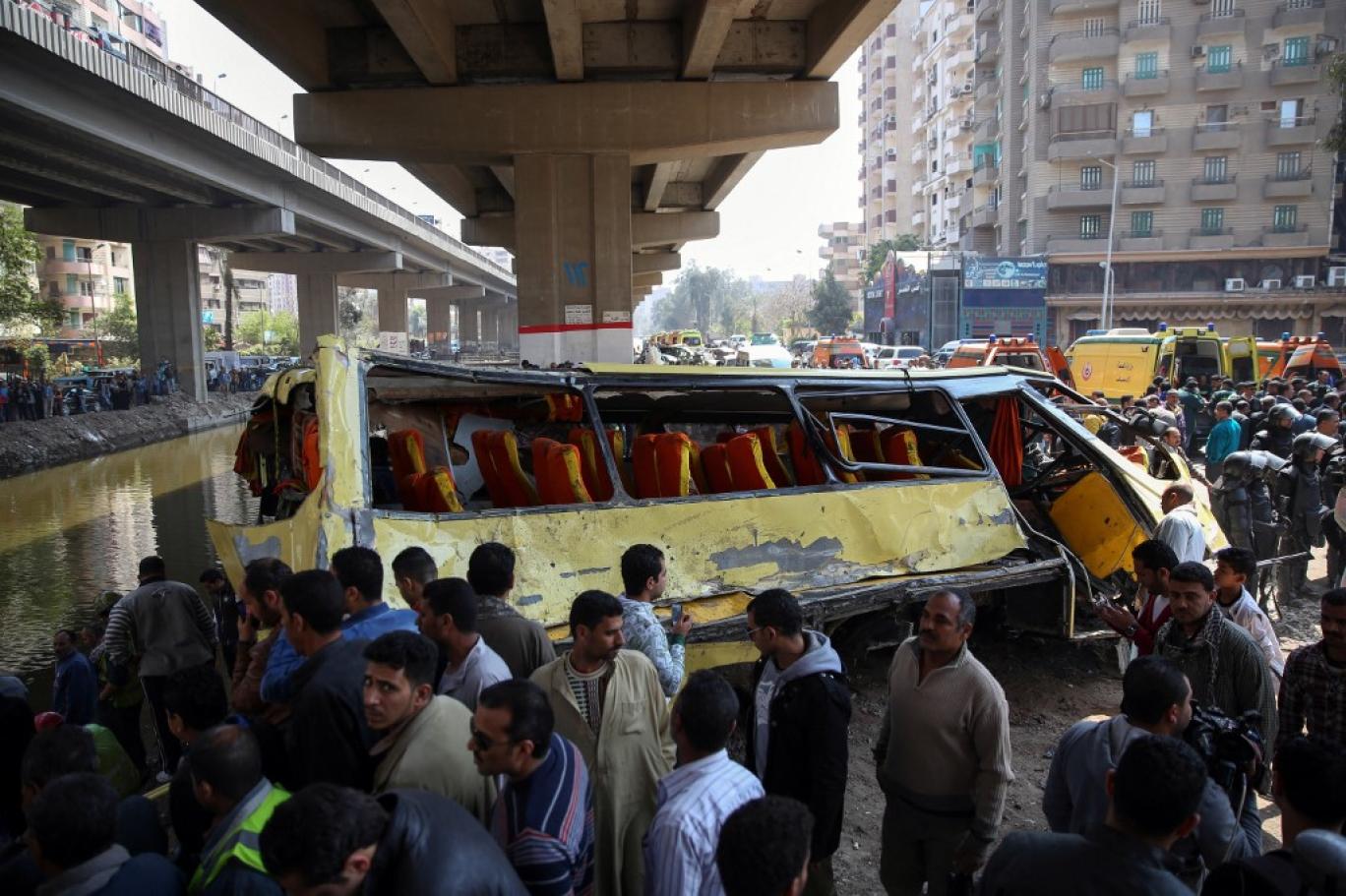
Farag criticised the lack of walking, pedestrian and road-crossing facilities on many of the roads that have been renovated and widened, which are difficult to deal with as the number of traffic lanes increases to eight on some of the new roads, causing a rise in injuries and deaths in another way, especially given the difficulty of crossing the road. He pointed to the need to work on improving pedestrian infrastructure and providing safe passages in the form of tunnels and pedestrian bridges, while ensuring they have safety and flexibility features so they can be used.
He attributed the severity of recent accidents, which result in large numbers of injuries and deaths, to two factors, the human element and the machine (cars), saying that the human element, machines and infrastructure are complementary factors for achieving road safety.
Road Dangers Threaten the Lives of Children and Young People
Before reaching her destination, she was involved in a serious accident from which she has been undergoing treatment for the past five months. Doha describes the road as defective, with many “potholes”, which made her lose her balance, and in an attempt to slow down she hit a speed bump on the road, causing her to fall to the ground, where a transport vehicle (microbus) hit her and fled. She then suffered many different fractures, underwent four surgeries and is now going through difficult psychological and physical conditions with the severe pain she suffers.
| The World Health Organization estimates that road accidents will cause 13 million deaths and 500 million injuries around the world by 2030 if urgent action is not taken, noting that road accidents are the leading cause of death for children and young people aged 5 to 29 worldwide.
The organisation found that 92% of road traffic deaths in the world occur in low- and middle-income countries, even though these countries account for only about 60% of the world’s vehicles. It showed that more than half of all road traffic deaths in the world are concentrated among the most vulnerable road users: pedestrians, cyclists and motorcyclists. Road traffic crashes cost most countries 3% of their gross domestic product. |
The President of the UN General Assembly, Abdulla Shahid, highlighted the importance of the Global Plan for Road Safety 2021-2030, saying the world needs to address this “tragic and unnecessary burden on families, communities and economies”. He added that “road crashes are entirely preventable, and our priority must be to implement preventive measures”, but warned that “unless implemented, it is no more than a plan of action”.
Looking ahead, he said implementation by national and local governments would require two key elements: funding and the involvement of relevant actors. With a notable funding gap in most countries, 90% of road traffic deaths occur in low- and middle-income countries. He said this means that achieving the plan’s goals requires increased support for these countries.
For his part, Counsellor Sami Mokhtar, head of the Egyptian Association for the Care of Road Victims and Their Families, told Zawia3 that road accidents are due to three causes: first, the human factor, responsible for 80% of accidents, in addition to the vehicles themselves and poor roads. He pointed out that the human factor is not limited to the driver but also includes pedestrians and passengers, which requires the role of every individual in society in full awareness of this matter, and that pedestrians who cross the road incorrectly cause accidents, especially on highways.
He explained that the absence of specific technical specifications for cars entering Egypt is one of the most prominent problems causing accidents, and that the government should set certain specifications for cars entering Egypt so that they suit Egyptian roads, noting that pedestrians, drivers and passengers share the roles regarding the causes of accidents, and that drivers make fatal mistakes and account for the largest share of the human element causing accidents.
Mokhtar added that the rate of injuries per accident on Egyptian roads is higher than in any other country in the world, and this requires great effort to educate citizens on how to deal with road accidents immediately after they occur. The global time to rescue an injured person is eight minutes, but the Egyptian time is long because of heavy congestion and ordinary citizens’ lack of experience in first aid to deal with the injured until the ambulance arrives.
Huge Projects That Neglect Pedestrians’ Needs
| According to the Central Agency for Public Mobilisation and Statistics bulletin, Dakahlia Governorate topped the governorates recording the most road accident injuries nationwide, with about 12,051 injuries at the end of 2022, while the lowest number of injuries was recorded by Qalyubia Governorate, with 200 injuries in 2022. Road accident injuries by road user put “passengers” first with 16,607 injuries, followed by pedestrians with 15,580 injured in 2022. In total, road accident injuries reached 55,991 in 2022, compared with 51,511 in 2021, an increase of 8.7%. |
Ahlam Saleh, director of a scooter driving school for girls, told Zawia3 that road accidents have seen high rates recently, especially those involving motorcycles and scooters, which have caused the deaths of large numbers of their users. She criticised the behaviour of some users of these vehicles in not respecting the safety factors associated with riding this type of transport, above all not wearing a protective helmet, in addition to some unsafe roads not being suitable for motorcycle users. She explained that many main roads in Egypt lack designated spaces for pedestrians as well as for bicycles and motorcycles, which makes them travel alongside cars and heavy transport vehicles and causes many accidents.
The director of the scooter driving school for girls stressed the need to improve infrastructure for pedestrians and cyclists and provide safe lanes, given the recent increase in the number of users of this type of transport, to provide the protection and safety factors they need, in addition to the need for periodic road maintenance and ensuring roads free of the potholes that cause many riders to fall and be injured or killed.