
In July, a writer was sentenced to three years in prison over a blog post about prison inspections, a union leader was detained for inviting teachers to a meeting, and a librarian died inside Rawdh Al-Farag police station after 24 days in detention without a lawyer and without being seen by a doctor. While activist Mohamed Adel threatened to end his life after 12 years behind bars, photojournalist Haider Kandil appeared before the prosecution after 23 days of enforced disappearance, in a case whose investigation began with questions about his religious denomination.
In Issue 21 of “Deleted Lines,” we cover the Al-Nadeem Center report that documented 320 “disturbance” cases, 90 incidents of deliberate medical neglect, and 36 deaths inside detention facilities in just six months. We also follow the joint rights report on the Mustaqbal Misr device’s control over Lake Bardawil and the referral of its fishermen to military courts, a file that Zawia3 covered in the field in two previous reports. We document Amnesty International’s demand for the release of dozens of detainees from the “Gen Z” group, the upholding of poet Ahmed Douma’s one-year prison sentence, and the conviction of Dr. Omnia Sweidan after her testimony about obstetric violence. We also cover labor strikes in Suez and Gharbia, the exclusion of 850,000 beneficiaries from ration cards, the death of a worker in Aswan at temperatures approaching 49 degrees Celsius, and the rise of average rents in Cairo to 10,000 Egyptian pounds ($192.31), exceeding the minimum wage itself.
320 “Disturbance” Cases and 90 Incidents of Medical Neglect Over Six Months
The Al-Nadeem Center for the Rehabilitation of Victims of Violence and Torture published its semi-annual report titled “From the Media: An Archive of Repression in the First Half of 2026,” monitoring the most prominent violations related to places of detention, based on what was published in the media from January to June 2026.
The report documented 12 killings, 36 deaths inside detention facilities, 38 torture incidents, 320 “disturbance” cases, 140 cases of enforced disappearance, 85 cases of reappearance after disappearance, 90 cases of deliberate medical neglect, and 87 cases of “recycling,” alongside 188 cases of state violence and 71 mass trial incidents.
The report noted that the majority of deaths were recorded in several prisons, among them Badr (1), Minya Maximum Security, Borg Al-Arab, and Gamasa, in addition to various police stations. The causes of death varied between medical neglect, suspected torture, poor detention conditions, cardiac arrest, and suicide.
The report also documented dozens of torture incidents inside National Security premises, police stations, and prisons, including, as it stated, electric shocks, beatings, dragging, humiliation, starvation, and deprivation of water and medical care.
It explained that “disturbance” cases included, according to its documentation, enforced disappearance, recycling, solitary confinement, and deprivation of visits, treatment, and exercise, alongside detention renewals despite release orders being issued or in the absence of the accused, considering these indicators to reflect the continuation of patterns of violations inside detention facilities during the first half of the year.
116 Death Sentences in Two Months
The Egyptian Initiative for Personal Rights said Egyptian courts issued death sentences against 116 defendants in 63 cases during May and June 2026, while referring the files of 94 defendants to Egypt’s Grand Mufti in 61 cases in preparation for issuing a religious opinion, according to monitoring conducted by the Initiative based on accessible published information and information provided by the families of those sentenced.
The Initiative added that authorities executed the death sentences of five people during the same period, four in a single case during May and one in a case during June, noting that these figures represent the minimum number of cases its researchers were able to document, given the limited information available regarding the implementation of death sentences in Egypt.
Fishing by Military Order
Three rights organizations, the Sinai Foundation for Human Rights, Egypt Wide Foundation, and the Egyptian Front for Human Rights, documented in a joint report how the Mustaqbal Misr Sustainable Development Device changed the lives of Lake Bardawil fishermen since it assumed management of the lake in 2024.
The Prime Minister’s office announced in October 2024 that the Device was taking over management of Egypt’s large lakes, including Lake Bardawil, one of the country’s largest natural lakes, but without publishing the official decision on which this was based. The Device’s activities extend beyond lake management to encompass agricultural production, urban development, industrial activity, and the management of consumer store chains.
The report drew on 28 field interviews conducted between December 2025 and March 2026 with fishermen, traders, agents, and employees at the lake, alongside an analysis of case documents filed against some of them, international laws and conventions relating to indigenous peoples’ rights, relevant constitutional and legal texts and administrative decisions, and previous studies and research relating to the lake.
On the economic level, the interviews revealed that the Device’s role was not limited to regulation and oversight, but extended to complete control over the purchase of fish from fishermen and its resale to traders at profit margins exceeding 100%, with unfair purchase prices set far below market rates. The monopoly extended to production inputs including fuel, oils, and drinking water, with fishermen barred from obtaining them from external sources even in emergencies, leading to a sharp deterioration in their incomes and the accumulation of debts.
On the security and administrative level, the costs of permits imposed on fishermen multiplied dozens of times and their procedures became more complex. Those who violate the administrative rules imposed by the Device are referred to military trials under Presidential Decision No. 294 of 2019, which classified the lake and its surroundings as border-adjacent areas. The report documented the arbitrary detention of a number of fishermen and the fining of others, with the right to a defense frequently violated during these trials. When fishermen resorted to a collective fishing strike in protest, many were barred from entering the lake and some had their licenses revoked.
Based on the fishermen’s demands, the three organizations call for the restoration of specialized civilian management of the lake, the liberation of the market from monopoly, the cessation of referring fishermen to military courts and the release of those detained, the conduct of independent environmental and social impact studies before any development interventions, the genuine involvement of fishermen in decisions regarding the lake’s future, and support for their cooperative associations in restoring their representative and service role.
Zawia3 had previously covered the file in the field in two earlier reports: the first, “After Lake Bardawil Is Annexed to ‘Mustaqbal Misr’: An Uncertain Future for Fishermen and Fish Stocks,” published in November 2024 during the first week of the transfer of authority, documented through fishermen’s testimonies the new fish size requirements, the crisis over replacing fishing nets and their costs reaching 100,000 Egyptian pounds ($1,923.08), the destruction of 1,200 boats’ production on the first day of implementing the decision, and the closure of the three docks in protest. The second, “Lake Nasser Fishermen Reject Granting Mustaqbal Misr 40% of Their Production for Free,” published in May 2026, documented with supporting documents the model of deducting 40% of fishermen’s production and the suspension of 2,800 fishing licenses as a means of pressuring them, the same pattern the rights report concluded was being extended across Egypt’s lakes.
Political and Civil Rights
A Distress Call After Mohamed Adel Threatens Suicide Inside His Prison
Rofaida Hamdi, wife of political activist Mohamed Adel, issued a distress call after her husband announced an open-ended hunger strike and threatened to take his own life, under what she described as a severe deterioration in his psychological and physical condition after more than 12 years in detention.
She said, in a message she published on her Facebook page, that she was shocked during her visit to him on July 6 by the deterioration of his psychological state, and by his informing her of his decision to continue the hunger strike until death, adding that he had told her more than once that he was thinking of ending his life, a precedent that had not occurred throughout the years of his detention.
She added that her husband remains deprived of several of his legal rights, including leaving his cell except during visits, being examined by specialist doctors for treatment, and completing his postgraduate studies examinations.
For its part, the Egyptian Commission for Rights and Freedoms announced its solidarity with the family’s demands and called for the immediate and unconditional release of Mohamed Adel and for enabling him to receive the necessary medical care, holding the prison administration and the responsible authorities accountable for his safety.
The Arrest of Union Leader Mohamed Zahran
Continuing the pattern of security prosecutions of activists, politicians, and union members, security forces arrested union leader and founder of the Teachers Independence Current, Mohamed Zahran, from his home on the evening of July 15, before he appeared the following day before the Supreme State Security Prosecution, which decided to detain him for 15 days in connection with Case No. 5773 of 2026, Supreme State Security register, on charges of “spreading false news” and “using an account on an information network for the purpose of promoting ideas calling for the commission of terrorist acts.”
The Egyptian Initiative for Personal Rights said that the investigations concerned two posts Zahran had published on his Facebook account: the first invited teachers to a meeting to discuss the implementation of court rulings related to Teachers Syndicate elections, while in the second he commented on some people’s preoccupation with football matches compared to his case.
It called for his immediate release, arguing that the case arose from his union activity and his exercise of the right to freedom of expression, noting that this was the fourth time he had faced investigations in similar cases. Zahran is one of the most prominent union figures in the education sector and ran as an independent candidate in the most recent parliamentary elections for the Matariya constituency.
Postponement of Sayed Moshagb’s Trial
In the context of ongoing trials, the First Terrorism Chamber of the Cairo Criminal Court decided to postpone the first sessions of the trial of Al-Sayed Ali Fahim, known as “Sayed Moshagb,” and five other defendants to September 22, to hear witnesses, in the case in which they face charges of “assembly” and “possession of fireworks.”
The Public Prosecution had referred the defendants to trial in June, following the arrest of Sayed Moshagb hours after his release, after he had spent approximately eleven years in prison in various cases.
The Ministry of Interior justified the arrest by citing the gathering of a number of people in Boulaq Al-Dakrour to celebrate his release, accompanied by the setting off of fireworks and chants, arguing that this disrupted traffic and disturbed public order.
In contrast, rights lawyer Halim Hanish told Zawia3 that re-arresting him lacked legal basis, explaining that Moshagb had not called for the gathering but was on his way home, while citizens gathered spontaneously to welcome him, which in his view carries no criminal responsibility on his part. He also argued that the case falls within a broader context of restrictions on people with opinions and public activism.
Recommended Reading: Sayed Moshagb Re-Detained 6 Hours After Release
Amnesty International Demands Release of “Gen Z” Group Members
Amnesty International called on Egyptian authorities to release dozens of people detained on the basis of their membership in the “Gen Z 002” group on the Discord platform, considering that their detention came because of their exercise of the right to freedom of expression.
The organization said that at least fifty people, including nine women, were arrested since late May and are being investigated before the Supreme State Security Prosecution in two cases containing terrorism-related charges and charges of spreading false news, adding that it documented six detainees being subjected to enforced disappearance for periods ranging from six to forty-six days, while one of them reported being subjected to torture during detention. It called for an independent investigation into these allegations and for an end to what it described as arbitrary detention.
Escalating Rights Warnings About Conditions of Detainees Inside Prisons
In parallel with cases related to freedom of expression, rights warnings escalated during July about the conditions of a number of detainees inside prisons, amid repeated demands to provide medical care, release detainees who have exceeded legal detention periods, and investigate deaths and violations inside detention facilities.
Demands for an Investigation Into the Death of Ayman Ramzi Inside Rawdh Al-Farag Police Station
The month also saw renewed demands for an investigation into detention conditions following the death of Ayman Ramzi Botros, a librarian, inside Rawdh Al-Farag Police Station after 24 days of detention.
The Egyptian Initiative for Personal Rights called on the Public Prosecutor to open an independent and transparent investigation into the circumstances of the death and to hold those responsible for any violations or negligence accountable, pointing to what it described as his unlawful detention, his deprivation of a lawyer’s presence during the first investigation sessions, and the disregard for repeated demands that he be examined by forensic medicine and provided with the necessary medical care, despite signs of exhaustion and physical injuries appearing on him during his detention renewal sessions.
Ramzi was arrested on June 1, before appearing before the prosecution six days later, where he was charged with, among other things, “exploiting religion to promote extremist ideas with the intent to show contempt for heavenly religions” and “assuming the leadership of a group established in violation of the provisions of the law.” The Initiative pointed out that the incident falls within a broader context of prosecutions related to freedom of religion and belief.
Tamer Shereen Shawky Sentenced to Three Years in Prison
The Alexandria Economic Misdemeanor Court sentenced writer and engineer Tamer Shereen Shawky to three years in prison on the basis of social media posts.
The Economic Affairs Prosecution had referred him to trial following a blog post he published in December 2025 addressing prison inspections, charging him with “spreading false news in bad faith to harm the public interest,” “insulting a public official” in reference to the Public Prosecutor and Prime Minister, and “deliberately disturbing others through misuse of social media,” in addition to charges of creating and managing a Facebook account with the purpose of disturbing public order, endangering the security and safety of society, harming national security, and assaulting family values and principles.
Defense lawyer Ahmed Sabry Abu Alam announced his intention to appeal the verdict, arguing that the case was marred by “procedural deficiencies and legal ambiguities that touch on the essence of legitimacy,” and that the application of Article 34 of the Combating Information Technology Crimes Law had led to a more severe legal characterization of the charge and penalty, affirming the defense team’s adherence to all its legal arguments during the appeal phase, and considering what his client published, from the defense’s perspective, to fall within the framework of peaceful expression of opinion.
Continued Detention of Omar Salah Morsy and Reports of Assault Inside Prison
In the same context, the Supreme State Security Prosecution renewed the detention of filmmaker and screenwriter Omar Salah Morsy for 15 days for the sixth consecutive time, in connection with Case No. 3835 of 2026, State Security register, in which he faces a charge of “spreading false news.”
Preceding the renewal session, the Defense and Solidarity Committee with Omar Morsy issued an open statement calling on artists, writers, journalists, academics, professional syndicates, and civil society organizations inside and outside Egypt to demand his immediate release and reject the continuation of his pre-trial detention because of his peaceful expression of opinion.
The Committee also disclosed, citing his family, that he was assaulted inside his prison by one of the detainees, who, it said, holds extremist and hostile views toward art and artists, calling on the prison administration to take urgent measures to ensure his safety.
It added that Morsy remains deprived of the necessary medical care, despite suffering from a chronic thyroid condition, a previous wrist fracture that required surgery and the insertion of plates and screws, as well as the failure to present him to a psychiatrist despite repeated requests submitted by the defense team.
Continued Expression Prosecutions Before the Courts
July also saw the continuation of hearings in a number of cases related to publishing and the expression of opinion, amid rights demands to halt detention in publishing cases and to introduce legislative amendments that guarantee the protection of freedom of expression.
Ahmed Douma’s One-Year Prison Sentence Upheld
The Fifth New Cairo Misdemeanor Court of Appeal upheld the ruling sentencing poet and writer Ahmed Douma to one year in prison, in Case No. 4894 of 2026, Fifth New Cairo Misdemeanor, on the basis of charges of “publishing and broadcasting false news inside and outside the country in a manner likely to disturb public security, spread fear among people, and harm the public interest.”
The case traces back to a newspaper article and a post Douma published on his social media account in which he addressed his experience inside Badr (1) Prison and what he described as the use of continuous lighting inside the prison that deprives detainees of sleep.
Photojournalist Haider Kandil Appears After 23 Days of Disappearance
After 23 days following his arrest, photojournalist Mohamed Haider Emad Yousef Kandil, known as Haider Kandil, appeared before the Supreme State Security Prosecution, which decided to detain him for 15 days in connection with Case No. 5635 of 2026, State Security register.
According to rights organizations, the case followed a security campaign targeting a number of citizens, including people arrested from inside a Husseini gathering in the Al-Sayyida Zeinab area coinciding with Ashura commemorations. The prosecution charged the defendants with joining, leading, and financing a terrorist organization, while the Egyptian Front for Human Rights said investigations included questions relating to the Shia denomination and the practice of religious rites, arguing that the case is linked to the targeting of individuals on the basis of their religious beliefs.
Renewal of Labor Leader Shadi Mohamed’s Detention Despite Calls for Release
The Second Terrorism Chamber of the Cairo Criminal Court renewed the detention of labor leader Shadi Mohamed and five other defendants for 45 days in connection with the case known in media as the “Palestine Support Banner” case.
The decision came alongside the widening of a solidarity campaign comprising 21 political, rights, and labor bodies, alongside 149 public figures, calling for his release and enabling him to receive the necessary medical care. Those who signed the statement noted that Shadi Mohamed has exceeded the legal maximum for pre-trial detention and suffers a serious shoulder injury requiring an MRI scan and urgent medical intervention, with requests submitted to this effect still unaddressed.
The Egyptian Initiative for Personal Rights held the Public Prosecutor and Minister of Interior fully responsible for his health and safety, pointing to the continued disregard for his requests for medical examinations and the development of an appropriate treatment plan.
Recommended Reading: Azza Suleiman: Security-Based Responses to Despair Are an Insufficient Solution, and the State Has Retreated From Social Protection
Aswan Court of Appeal Reopens Compensation Case Against Interior Minister
The month also witnessed a judicial development in the case of the killing of a tuk-tuk driver in Aswan Governorate, after the Aswan High Court of Appeal ruled to overturn the first-instance ruling in the civil case filed by his family against the Minister of Interior and a number of security officials, and ordered the case returned to the Kom Ombo Court of First Instance for adjudication on its merits.
The victim’s family had filed a compensation case against the Minister of Interior, the Aswan Security Director, the head of Nasser Al-Nuba investigations in his official and personal capacity, his assistant, and a number of police personnel, accusing them of forcibly taking their son on a mission to apprehend drug dealers, the incident that ended with his death. The family explained that its recourse to the civil courts came after no criminal case was brought against the accused.
In the Thirteenth Anniversary of His Disappearance: Renewed Demands to Reveal Amr Metawally’s Fate
Coinciding with thirteen years since the disappearance of student Amr Ibrahim Abd El-Moneim Metawally, the “Stop Enforced Disappearance” campaign renewed its demands that Egyptian authorities reveal his fate, affirming the continued absence of any information about his whereabouts since his disappearance on July 8, 2013.
The campaign called for the release of his father, lawyer and human rights defender Ibrahim Metawally, detained since September 2017 following years of efforts searching for his son and defending the families of the forcibly disappeared, explaining that all reports, complaints, and lawsuits submitted by the family over the past years had not led to the revelation of Amr’s fate, despite searching for him in hospitals, morgues, and various detention facilities.
It added that Ibrahim Metawally was arrested from Cairo Airport while heading to Geneva to participate in a UN meeting on enforced disappearance, and has since been subjected, according to the campaign, to re-detention in successive cases, resulting in his continued detention for nearly eight years under what it described as harsh detention conditions.
The Conviction of Dr. Omnia Sweidan
In cases related to freedom of expression, the Alexandria Economic Affairs Misdemeanor Court (Bab Sharq) sentenced Dr. Omnia Sweidan to six months in prison suspended for three years and fined her twenty thousand Egyptian pounds ($384.62), after convicting her of “spreading false news inside the country” and “creating an account for the purpose of committing a crime,” while acquitting her of “assaulting the values of the Egyptian family.”
The case arose from posts on her Facebook account in which she spoke of incidents she said constituted violations women were subjected to inside Al-Shatby University Hospital during her training as an intern doctor.
Dozens of rights defenders, doctors, lawyers, and artists, alongside rights and feminist organizations and initiatives, announced their solidarity with Omnia, expressing their concern about the measures taken against her on the basis of her testimonies about obstetric violence and violations that women may be subjected to during pregnancy and childbirth.
The “Save Freedom of Opinion” campaign of the Egyptian Commission for Rights and Freedoms condemned the ruling, arguing that the conviction, despite the suspended execution of the sentence, represents a message of intimidation to all who address public affairs, and called for a review of the legal provisions that impose custodial sentences in publishing and expression cases.
Freedom of Belief and Anti-Discrimination
In the file of religious freedom and citizenship, the Egyptian Initiative for Personal Rights criticized the handling by state agencies of sectarian violence incidents in the village of Al-Tal Al-Qibli in Minya Governorate, calling for accountability of those involved, guaranteeing freedom of religious practice, and removing obstacles to the legalization of churches.
In the same context, the National Council for Human Rights welcomed the measures taken by the Ministry of Youth and Sports following the incident of a child with a disability being excluded from trials at the Al-Ittihad Al-Iskandary Club on religious grounds, affirming the rejection of all forms of discrimination and calling for the guarantee of equal opportunities.
Refugee and Asylum Seeker Conditions
Rights organizations continued during July to warn of the repercussions of applying the Foreign Asylum Law and its executive regulations, amid continuing security campaigns against refugees and asylum seekers.
The Egyptian Initiative for Personal Rights argued that the executive regulations failed to regulate the transitional phase between the UNHCR and the new national system, warning that asylum seekers risk detention or deportation.
The Refugees Platform in Egypt considered that the regulations strengthen the security and administrative character at the expense of protection guarantees, while Human Rights Watch documented the continuation of arrest, detention, and deportation campaigns against refugees, most of them from Sudan and South Sudan, warning of escalating phone fraud attempts targeting the families of detainees and calling for not responding to any financial requests and verifying information through official channels.
Human Rights Watch also reported that Egyptian authorities launched a campaign of arrests, detention, and deportation targeting refugees and asylum seekers during the past months, most of them from Sudan and South Sudan, including people holding valid cards issued by the UNHCR.
Economic and Social Rights
July witnessed a notable escalation in labor protests at factories, companies, and government sectors, driven by delayed wage payments, low salaries, the suspension of health insurance services, and declining occupational safety standards, while some labor actions were met with punitive measures including worker investigations, suspension from work, threats of dismissal, and security interventions.
In Suez Governorate, the management of EMAK Paper Manufacturing Company broke a sit-in that had lasted ten days after preventing the striking workers from returning to the factory following their departure to sign attendance books placed outside the gates, while 11 workers were subjected to investigations and others were given mandatory leave. Workers demanded wage and allowance increases and the payment of profits suspended since 2020, also calling for salary increases and complaining about poor occupational safety and health conditions, the non-provision of safe drinking water or protective equipment, with concerns about retaliatory measures against sit-in participants.
In Gharbia, male and female workers and embroiderers at Samanoud continued their strike demanding the restoration of health insurance services suspended for months, after approximately 600 workers, mostly women, were deprived of medical treatment. The crisis saw administrative and security escalation, with six female workers suspended from work and increased security presence in front of the factory, amid concerns about the preparation of new dismissal lists, despite management’s announcement of ending the health insurance crisis without any official decision to confirm it.
The protests extended to the government sector, as security services released the last six of the Ministry of Agriculture employees who had been summoned after participating in a protest sit-in demanding the payment of salaries delayed for five years. The Egyptian Commission for Rights and Freedoms affirmed that the release does not end the crisis, given the continued deprivation of approximately 35,000 employees of their wages despite judicial rulings issued in favor of many of them, calling for a halt to any prosecution of workers and the opening of serious negotiations to settle their financial and administrative situations.
In the agricultural sector, sugar beet farmers faced uncertainty after state sugar companies refrained from contracting for the new season, following their agreement to purchase the output of 100,000 feddans from the Mustaqbal Misr device. The delay in contracting raised farmers’ concerns weeks before the planting season, given the decline in local sugar prices, rising production costs, and the absence of a clear vision for the target areas to be planted during the coming season.
Recommended Reading: From Bread to Land: Mustaqbal Misr Extends Its Roots Into Everything That Is Grown and Eaten
After a Worker’s Death in Aswan: Calls to Generalize the Ban on Working During Heat Waves
The Egyptian Center for Economic and Social Rights commended the Luxor Governor’s decision to ban the deployment of field sanitation workers from 11 a.m. to 5 p.m. until September 15, protecting them from heat waves, and called for the generalization of the decision nationwide to cover all categories exposed to heat stress, with the adoption of additional protective measures. It explained that the governorate had developed an alternative plan to distribute workers across two shifts to ensure the continuity of cleaning work without working during peak hours.
The demands came coinciding with the death of a worker and the fainting and heat stress injuries of others at the Benban Solar Energy Project in Aswan, where the governorate recorded temperatures approaching 49 degrees Celsius, prompting workers to protest demanding occupational safety and health measures. The Center called for obliging employers to apply prevention standards, strengthening oversight of non-compliant establishments, reducing working hours during heat waves, increasing rest periods, providing shaded areas, cold water, and equipment reducing physical exertion, alongside training supervisors to deal with heat-related injuries, and considering compensation for workers for any losses resulting from these measures, with acceleration of the mechanization of government services, particularly those related to patients and the elderly, to reduce their exposure to heat risks.
The Center pointed out that Ministerial Decision No. 211 of 2003 defined heat exposure limits and rest periods according to temperatures ranging between 25 and 32 degrees Celsius, and classified work as light, moderate, and strenuous, but has not been updated for more than two decades despite the significant rise in temperatures. It called for a review of legislation and occupational safety and health policies in line with climate changes, and for adopting ILO recommendations regarding the development of infrastructure, the strengthening of early heat wave warning systems, and the application of effective standards to protect workers from heat stress hazards.
Exclusion of 850,000 Beneficiaries from Ration Cards
The Egyptian government continues reviewing the lists of ration subsidy beneficiaries as part of a plan targeting, according to the Ministry of Supply, directing support to the most deserving categories and raising the system’s efficiency, coinciding with the study of a gradual transition to cash support. The Ministry announced the exclusion of approximately 850,000 beneficiaries during June, which sparked debate within the House of Representatives and prompted a number of MPs to submit parliamentary inquiries demanding a review of exclusion criteria and ensuring that eligible recipients do not leave the support system.
The Ministry of Supply’s spokesperson Ahmed Kamal affirmed that the card purification is an ongoing process aimed not at reducing the number of beneficiaries but at excluding the ineligible according to criteria set by the Ministerial Committee for Social Justice, encompassing income, expenditure, and ownership indicators such as owning high-value cars or more than one car, large agricultural holdings, or companies with capital exceeding 1.75 million Egyptian pounds ($33,653.85), pointing out that exclusion decisions are based on a combination of indicators, with the possibility of appeal through supply offices and the “Digital Egypt” platform, and the restoration of those proven eligible within one to two weeks.
In contrast, a number of House of Representatives members argue that some exclusion criteria need reassessment given current economic conditions. MP Mohamed Al-Shuwaikh said parliament does not object to purifying the support system but demands the guarantee of fair criteria and the non-deprivation of citizens of support due to administrative violations such as electricity or construction violations, calling for the simplification of appeal procedures and a review of indicators that may not reflect the actual ability to forgo support, such as owning a car or holding limited areas of land.
Recommended Reading: The Ministry of Supply Does Not Manage Food Support Cards. Military Production Does.
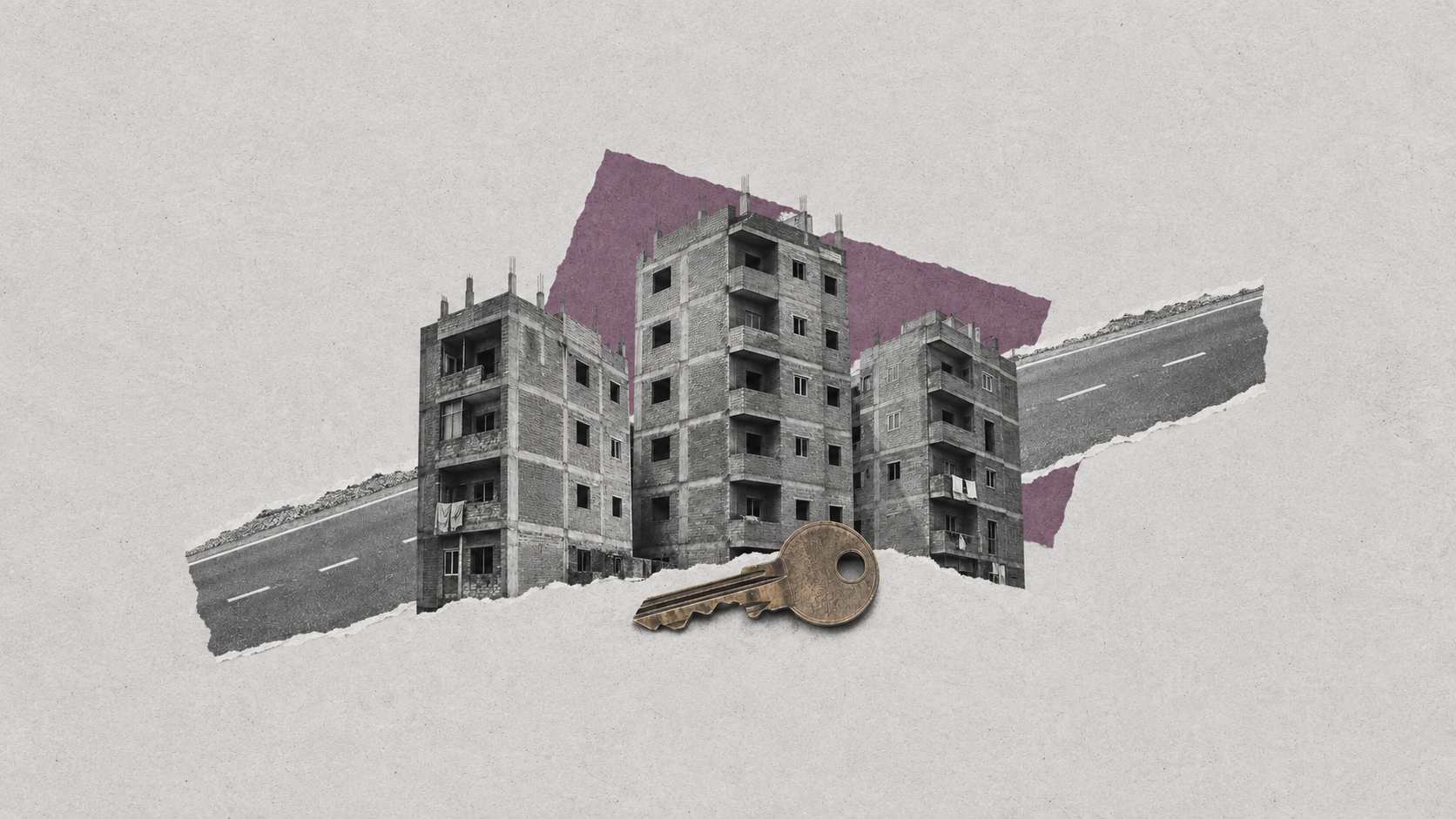
10,000 Egyptian Pounds ($192.31): Average Real Estate Rents in Egypt
Omran Center announced the release of the first edition of the Cairo Rent Index, revealing that the average monthly rent during the second quarter of 2026 rose to approximately 10,000 Egyptian pounds ($192.31), surpassing the minimum wage of 8,000 Egyptian pounds ($153.85). The index, issued by a research and rights project concerned with just urban development, aims to monitor the evolution of rental prices in the capital.
The index was based on an analysis of more than 18,000 listings for properties offered for rent during the period from January to June 2026, alongside the Center’s database for 2024 and 2025, covering 26 neighborhoods in Cairo. It showed an annual increase in average rents of 15% during the first half of the current year, compared to an increase of only 6% between 2024 and 2025.
Center Director Yahia Shawkat said in a statement that rental prices show significant variation between Cairo’s neighborhoods, starting from approximately 3,500 Egyptian pounds ($67.31) monthly in Al-Marg, while reaching approximately 31 times that level in Zamalek. Rents also recorded large increases in some areas, most notably Zamalek and Rawdh Al-Farag at 55% and 60% respectively, while prices stabilized in seven neighborhoods, including Al-Matariya, Al-Zaytoun, and Ain Shams, and declined in eight neighborhoods, most notably Al-Salam, New Cairo, and Al-Amiria.
He added that differences are also apparent when calculating rent per square meter, ranging between 32 Egyptian pounds ($0.62) in Al-Salam district and 500 Egyptian pounds ($9.62) in Zamalek, a gap of 16 times. While some neighborhoods recorded annual increases in the price per square meter of between 21% and 22%, other neighborhoods saw relative stability, while rents in New Cairo declined by up to 31%.
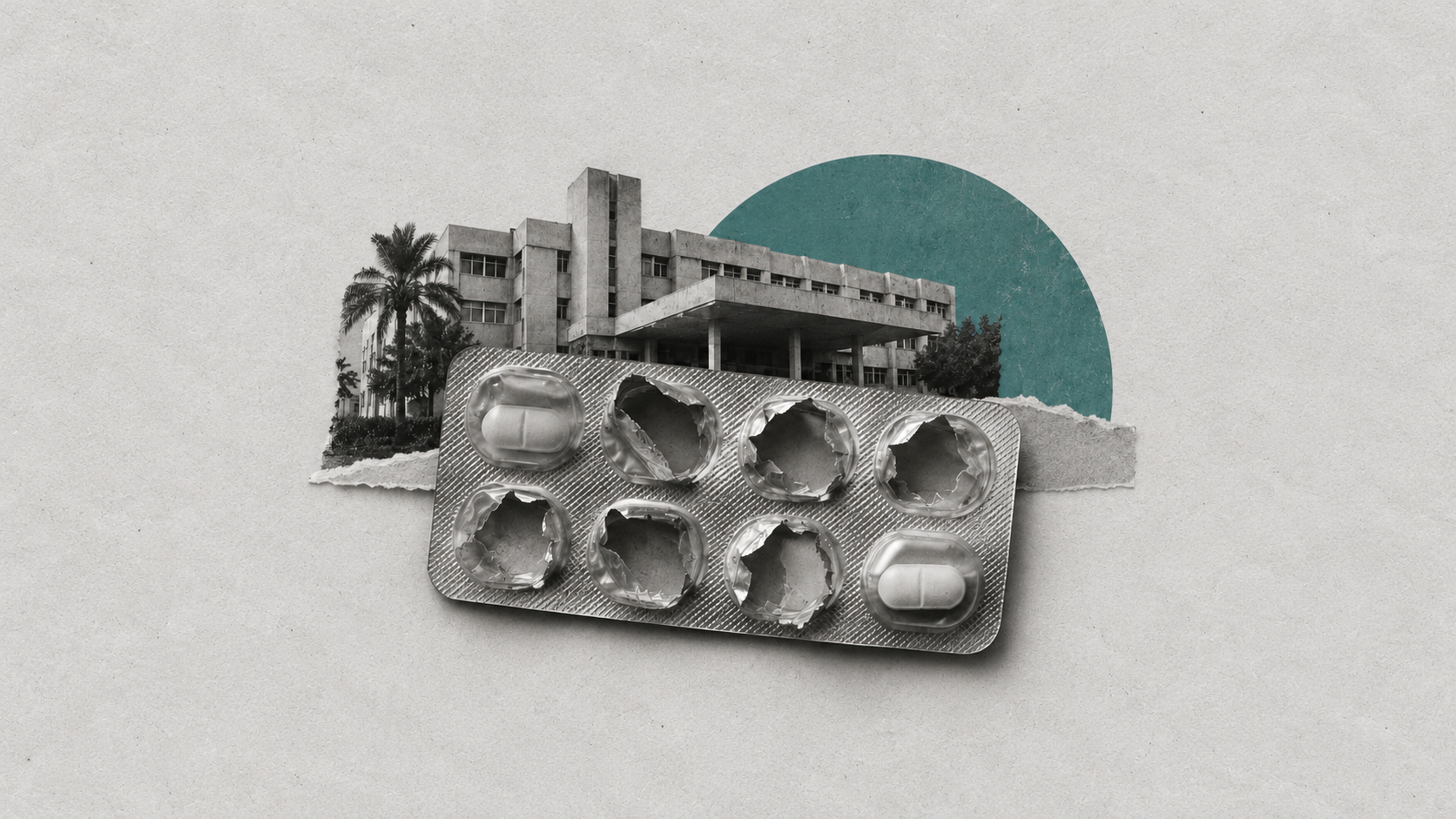
Doctors Syndicate Files Complaint Against Qena Governor After Hospital Director’s Dismissal and Public Humiliation
The Egyptian Medical Syndicate filed an official complaint against Qena Governor Major General Mostafa Al-Biblawy, on Wednesday, protesting what it described as “public humiliation” of the Qena General Hospital director and his dismissal during an inspection tour of the hospital.
The complaint came after the official Qena Governorate page published a video clip documenting the Governor’s visit to the hospital, during which he criticized the shortage of doctors and the poor cleanliness of some clinics, alongside patients’ complaints about being forced to purchase medications and medical supplies from outside the hospital and the postponement of some surgical operations. Following the visit, the Governor decided to dismiss the hospital director, assign a temporary replacement, transfer the Administrative Affairs Director to the Abu Tesht Center, and refer the official records officer for investigation.
The Doctors Syndicate affirmed, in a statement, its rejection of holding the hospital director responsible for healthcare system crises, stressing that his humiliation and dismissal would not resolve the shortage of supplies or medications, and that the hospital director has no authority to provide financial allocations or determine the health sector’s budget, arguing that holding him alone responsible for the problems represents an unfair reduction of an extended structural crisis.
Women and Children
On children’s rights, the Malaz Foundation for Women’s Support issued its quarterly report monitoring and analyzing violence against children in Egypt, documenting 124 incidents of violence during the second quarter of 2026, including harassment, assault, economic exploitation, neglect, kidnapping, and killing, inside homes, schools, workplaces, and the street, calling for the development of protection mechanisms, early detection, and data collection.
The twelfth edition of the Observatory of Violence in the School Environment, issued by the Egyptians Without Borders Foundation for Development and the Egyptian Union for Educational Policies and Research, documented 80 crimes of violence from April to June, 61 of which targeted students, while 19 targeted educational staff, noting that beating ranked first among violations against students, and also documenting ten sexual violence crimes, with teachers or school employees involved in seven of them.
In a related context, the National Council for Human Rights condemned the assault on a person with an intellectual disability inside a care home in Al-Muqattam, calling for accountability of those responsible and the development of the oversight system for care institutions.
July also saw the issuance of a number of reports and initiatives related to gender-based violence. The Malaz Foundation for Women’s Support documented 128 incidents of violence against women during the second quarter of 2026, including 60 harassment cases, 41 assaults, and 27 killings, arguing that violence against women represents a recurring pattern rather than individual incidents, and calling for the adoption of preventive policies and the strengthening of protection and early warning mechanisms.
The Idrak Foundation for Development and Equality concluded its “Exclusion or Difference” campaign, which addressed the risks of digital violence against women, particularly with the use of artificial intelligence technologies in producing fabricated and violating content, calling for the development of legislation, reporting mechanisms, and victim protection.
The Egyptian Women’s Issues Foundation welcomed the referral of the founder of “Beit Fatma” to the Criminal Court in the case related to charges of harassment, sexual assault, and human trafficking, considering the decision an important step to ensure the victims’ right to justice.
In the same context, 22 rights and political entities, alongside dozens of public figures, announced their solidarity with lawyer Loa’a Khalaf and their rejection of the decision to suspend her from practicing the profession, considering it discrimination against women and an unlawful use of disciplinary authority.
In response, rights lawyer Intissar Al-Saeed says the incident goes beyond being an individual dispute, opening a broader discussion about the limits of professional syndicates’ authority to regulate their members’ behavior, and whether their role is limited to ensuring compliance with professional rules and ethics or extends to imposing personal choices unrelated to the essence of legal work. She explained that professional evaluation criteria must be based on competence and commitment to professional ethics, not personal appearance or religious beliefs.
She adds that women lawyers have the right to practice their work according to the professional regulations governing the profession, without being subjected to any discrimination or pressure related to clothing or the veil, as long as their appearance is consistent with the requirements of work inside courtrooms.
Recommended Reading: Obstetric Violence in Egypt: Testimonies That Break the Silence, and a Detention That Reopens the Question of Protecting Those Who Speak Out
Environment and the Right to the City
In the environmental file, the Egyptian Society of Architects expressed concern about development works underway in the Orman and Zoo gardens, arguing that they threaten the heritage, urban, and environmental values of both gardens, and called for a temporary halt to the works and a reassessment of the project.
In the same context, environmental lawyer Ahmed Al-Saeedi warned against the continued reduction of green spaces and the conversion of public parks into commercial projects, arguing that this represents a threat to the right to a healthy environment, particularly in the context of escalating climate change impacts, and calling for a review of public policies to guarantee the protection of green space and the rights of future generations.
He told Zawia3 that what is happening in parks such as Al-Hurriya Garden, Al-Zahriya Garden, and Al-Masalla Garden represents “an environmental and urban catastrophe,” noting that some development projects have turned parks into “commercial spaces and cafes” at the expense of green space, in violation of the requirements of the National Organization for Urban Harmony, which restrict construction inside heritage gardens.
He explains that the Egyptian Foundation for Environmental Rights has submitted complaints and alternative proposals regarding the development of the Zahriya Garden, but official responses were limited to calls for “confidence in development plans,” despite the absence of environmental impact assessment studies and the failure to involve civil society or residents of surrounding areas.
He criticizes what he describes as “growing hostility toward green spaces,” pointing out that tree cutting leads to increased energy consumption and rising temperatures, at a time when countries around the world are expanding public parks to counter the effects of climate change.