

Just a month ago, 13-year-old Yassin Nabil’s heart was filled with hope for recovery from leukemia (blood cancer). His condition had improved and stabilized, and he was bringing his schoolbooks to the upper ward of the “Herml Children’s Hospital” to continue his studies and maintain his academic excellence, as he was the top student in his school and the governorate of Damietta. He could never have imagined that his life would end just a few weeks after the privatization of the hospital, and he was not the only one to face this fate.
In March, the Egyptian government transferred the management of the hospital to the private company “Elevat Private Equity” in partnership with the French cancer center “Gustave Roussy International” under the Public Facility Concession Law. Following this transition, the hospital’s features changed drastically: the old nursing staff was dismissed and replaced by untrained personnel, most of the doctors left, the hospital stopped receiving new cancer patients, especially those with health insurance, and problems arose with the availability of medicines and mistreatment. Amid this chaos, Yassin’s condition worsened, according to his aunt.
Yassin’s aunt tells Zawia3: “Since the hospital’s name was changed, they neglected his treatment. His condition deteriorated, and the treatment wasn’t available, so we bought injections from the black market at a cost of 600,000 EGP ($12,000), in addition to other medications at our own expense. We hoped he would recover, but he passed away. Shortly after his death, his roommate, Yasmeen, passed away too.”
Yassin’s tragedy was not an isolated case, but part of a growing series of complaints from families of children with cancer after the hospital’s management change. Among them is Rana Adel (a pseudonym), a mother of a child with leukemia, who has been traveling from Fayoum to Cairo for the past two years for treatment at Herml Center. However, she says the situation turned upside down after the hospital was transferred to the French cancer center “Gustave Roussy International,” as most of the basic cancer medications disappeared, and administrative and bureaucratic complications increased.
Rana explains that she obtained an approval letter for treatment from health insurance, but hospital staff refused to accept it because it was issued under “Herml” and not “Gustave Roussy.” When she tried to get a new medical report, the doctor refused, claiming not to know the child, even though she confirmed her file was available for review. She was asked to come back on the day of the treatment dose, even though entry was impossible without the letter.
She tells Zawia3: “He refused to help me even though I came from Fayoum, saying he didn’t know her. I had to bring my daughter, fasting since the night before, to get the spinal injection, but we waited for hours to complete the procedures, open the blood bank, and book the operating room. We waited until afternoon, despite the child fasting and enduring the hardships of traveling in the hot weather.”
After long suffering, she obtained the medical report from the hospital clinic, but was shocked to find the Fayoum health insurance branch refusing to issue the approval letter because the hospital had become privately owned. She was asked to go to the medical councils, and the process took a full week before she received confirmation that existing patients would continue treatment at the insurance’s expense, while new cases were denied.
She adds: “We were surprised to find that the skilled nursing staff had been replaced by security and kitchen staff, who don’t even know how to insert an IV. We’re now afraid for our children because they’re untrained. Even lab staff left, and the doctors who used to follow up on the children’s cases are no longer there. The treatment has changed, and we are treated like beggars.”
These complaints are not limited to Rana’s family, as her account matches that of Hana Said (a pseudonym), the mother of another child with cancer. She confirms to Zawia3 the death of several children after their treatment was halted within the hospital and points out that the “Gustave Roussy” pharmacy no longer dispenses any external treatments, forcing families to search for medications in pharmacies or buy them from the black market, while only chemotherapy is provided to the children.
She says: “Children Amal, Yassin, Marmar, Noor, and Yasmeen passed away. There are now only three or four children left in the upper ward. The child Asmaa entered the emergency room for her nineteenth dose, but negligence caused joint erosion, and she is now hospitalized in critical condition.”
She continues: “They now impose very complicated procedures. For a spinal injection, we are forced to complete all the entry procedures, take photos of the documents, provide a blood bank, book a blood bag, pay for the operating room, bring an anesthesiologist, and all this while the child is fasting. They have stopped admitting patients completely, and they ask us to return later. How can a cancer patient be left at home after receiving heavy treatment?”
As for Nabila Abdel Rahman (a pseudonym), the mother of another child, she tells Zawia3 that her child suffered a medical error at the hospital after its privatization. She explained that the doctor instructed the nursing staff to administer a full chemotherapy dose, even though only 1 milligram was prescribed to be divided into two doses. This caused his temperature to rise to 39 degrees, even though his platelet count was 40,000, and his anemia level was 7. Despite this, he underwent a “spinal aspiration” procedure at that time. She adds that the same doctor gave a spinal injection to another child, which caused seizures, and the child remained hospitalized for more than a week.
She adds: “We bear high costs. I had to buy fever reducers at my own expense, and everything the child needed was written on a paper, and we were asked to bring it from outside. One mother’s daughter stayed in the daily care unit for three days, on chairs not meant for sleeping, and at 6 am, a security guard took her out to the street, claiming she wasn’t allowed to stay there.”
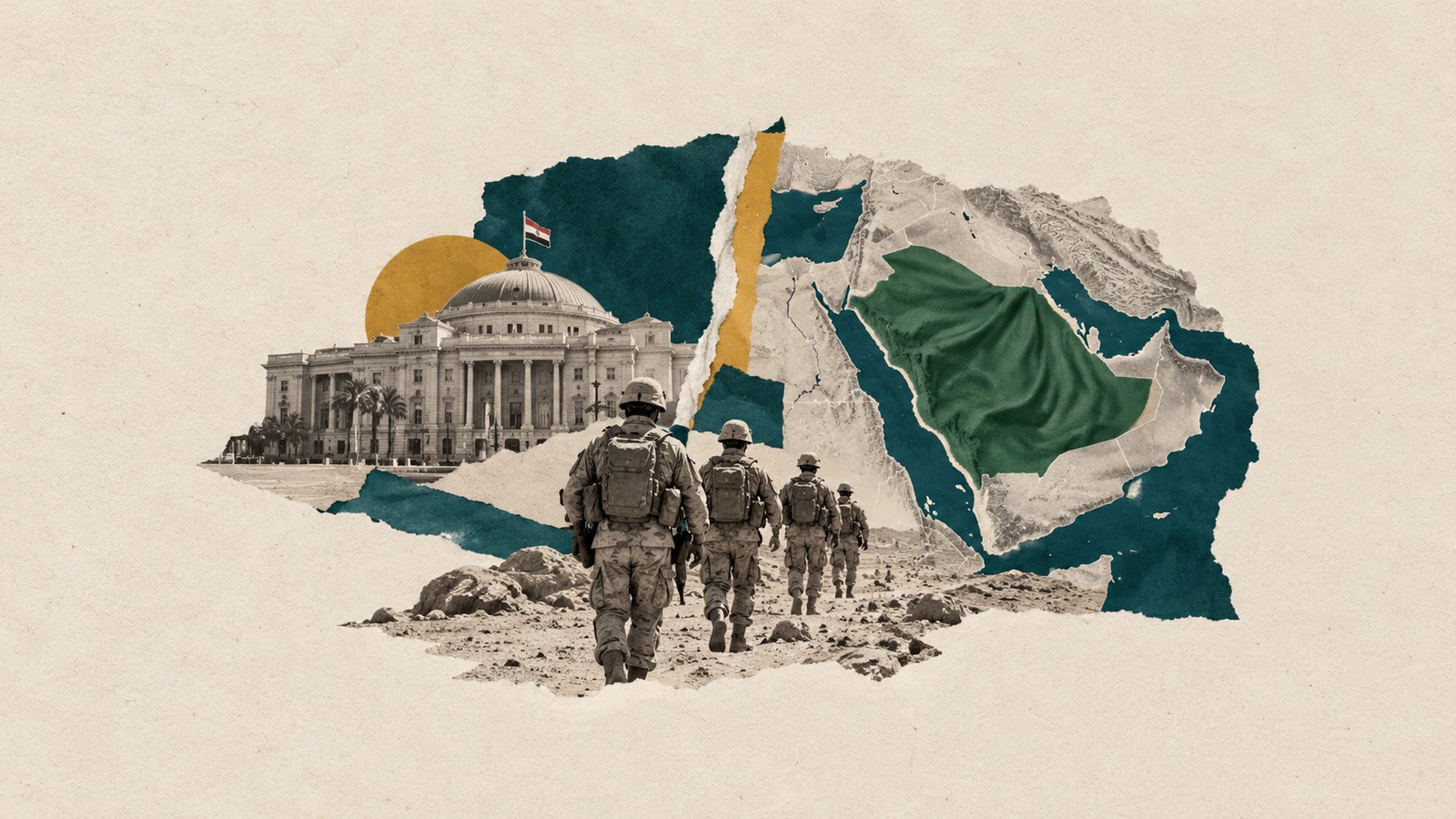
All these testimonies reflect the backdrop of an official decision issued by the Egyptian government on March 20, transferring the management, operation, and development of Dar Al-Salam Cancer Hospital (formerly “Herml”) to “Elevat Private Equity,” in partnership with the French National Cancer Center “Gustave Roussy International.” According to the decision, the hospital became an official branch of the French center under the name “Gustave Roussy International – Egypt,” as part of the government’s plan to enhance partnerships with the private sector in the healthcare sector.
The decision is based on Law No. 87 of 2024 regarding the organization of public facility concessions for healthcare establishments, which was approved by President Abdel Fattah El-Sisi on June 23, 2024. The law regulates the creation, operation, and development of healthcare facilities through a concession system, with exceptions for primary care centers, family health centers, blood operations, and plasma collection, which are regulated by Law No. 8 of 2021, except for services considered complementary.
Don’t miss: Health vs. Profit: The Hidden Costs of Privatizing Cancer Care in Egypt

Rising Child Mortality
Inside the hospital, nurse Mona El-Sayed (a pseudonym) shares her testimony about the changes in medical care after the privatization of Herml Hospital and its management transfer to the French institute “Gustave Roussy.” She tells Zawia3 that the new management, during April and May, closed the heart care department and transferred the cancer patients from the third floor, which was designated for diagnosed cases undergoing chemotherapy with direct supervision from doctors, to the fourth floor, which was previously reserved for new, undiagnosed cases. According to Mona, this department does not provide adequate medical follow-up, and there are no fixed medical teams, which increases the likelihood of errors in treatment dosages and exposes patients to serious complications.
She adds that the management instead established a special unit for economic treatment, and these changes coincided with the dismissal of most of the nursing and medical staff, including herself.
Mona tells Zawia3: “The patients who were transferred to the fourth floor did not receive the necessary medical follow-up. Some treatments were given without ensuring the dosage was appropriate for the condition, in the absence of continuous supervision by doctors.”
She continues: “At least five cancer patients died during that period: Noor Magdy, Amal Yasser, Yassin Nabil, Shahenda Hamdi, and Yasmeen Ahmed. Some of these cases only needed precise medical care, but the lack of follow-up led to avoidable complications. Among these cases was Yassin, who needed to undergo a procedure, but the hospital refused to perform it, and the family was asked to sign a discharge waiver. The family brought an ambulance, but the discharge process was delayed for hours, causing his condition to deteriorate. Yasmeen’s mother told me that the doctors informed her that no treatment was available and asked her to take her daughter elsewhere.”
Mona points out that before the privatization, around 250 children were receiving treatment at the hospital. However, the hospital stopped accepting new cases and began pressuring families to transfer their children to Hospital 57357. As a result, the number of children seeking treatment dropped to around 70, with only 7 to 8 remaining hospitalized.
She says: “Previously, we tried to provide treatment for children even if their families couldn’t afford the costs. Today, no assistance is offered by the new staff, even in critical cases.”
Mona urges the relevant authorities to intervene, stressing that the lack of medical care in the hospital directly impacts the children’s chances for treatment.
The agreement signed between the Ministry of Health and Population and “Elevat Private Equity” company outlines the management and operation of the hospital for 15 years, with the goal of improving medical services and increasing capacity from 154 to 257 beds. Under the agreement, the company is obligated to allocate 70% of services for patients with health insurance and state-funded treatment, with the company paying 3% of the annual revenue to the government, no less than 15 million EGP ($300,000) annually, with gradual increases starting from the fourth year of the contract.
The agreement also includes implementing a comprehensive development plan for the infrastructure, providing modern medical equipment, constructing a new extension building, and managing the hospital according to the standards of the “Gustave Roussy” institute, in addition to training medical staff and covering operational and investment costs. In return, the Ministry of Health will provide logistical support, issue permits, and supervise the company’s adherence to the defined quality and operational standards.
Don’t miss: Privatization of Healthcare in Egypt: A Step Backward?
Negligence, Abuse, and Assault
The suffering from a shortage of medications, mistreatment, and neglect inside the hospital after its privatization was not limited to cancer patients and their families but extended to various cancer patients at “Gustave Roussy” hospital. Hanan Mohamed, a breast cancer patient, shares with Zawia3 how the hospital services deteriorated, with many patients undergoing chemotherapy arriving at the hospital only to find that their doses were unavailable or that their medications were missing.
She says: “I was at the hospital on July 14, and I found that some medications were available while others were not. For my condition, I am supposed to receive a ‘Zometa’ injection every three months. In the past, they would issue a treatment decision for state-funded treatment, and we would renew it every six months or after a few doses. Now, the situation has completely changed. They told me that the old decision is no longer valid. The last dose I received was on May 20, but they said that the decision is no longer valid, and I must submit a new request from the beginning. When I applied for the new decision for the Zometa injection, they asked me to provide an analysis with the request, which is not medically correct because I should undergo the test on the same day I receive the injection to ensure my body and kidneys are in good condition. If not, the dose is postponed.”
The patient explains that the Zometa injection is a bone-strengthening treatment because she suffers from secondary cancer spread to her back bones due to breast cancer. She considers the new requirement just an administrative hindrance to delay patients from receiving the injection. She points out that she submitted the new request with the required tests on June 30, but as of now, the decision has not appeared on her page on the Ministry of Health’s website, and the medical councils have not approved it yet.
She adds: “Many patients come to get Zometa, chemotherapy, Zoladex, or Femara injections and don’t find them available. Most medications are missing from the hospital, and patients who need chemotherapy that cannot be delayed, especially the ‘red chemotherapy,’ are told that it is completely unavailable at the hospital. I am supposed to take a ‘calcium’ supplement with my hormonal therapy because the hormonal treatment causes bone thinning, but they didn’t give it to me, claiming it was unavailable. All they gave me for pain relief was paracetamol.”
The patient confirms that many patients filed complaints with the police at the Old Cairo Police Station against the hospital, and on July 15, a police committee visited the hospital to listen to patients’ complaints. However, the management threatened those who complained with harassment and persecution, and there are calls for escalation and organizing a protest against the hospital.
Meanwhile, Nora Sami (a pseudonym), a cancer patient receiving treatment at the hospital, reveals that she and other female patients were subjected to mistreatment and verbal abuse by security staff and attempts to assault them when they tried to film the situation at the hospital. She contacted the emergency police, which promptly sent a team from the Old Cairo Police Station, including a police sergeant and lieutenant, who listened to the patients’ complaints. A hospital official promised to provide the missing medications within two days, but this promise was not fulfilled. She explained that the patients have given the hospital until the end of this week, and if their treatment is not provided, they will escalate their actions by filing collective complaints with the Public Prosecution and submitting citizen complaints to the Prime Minister’s office, as well as organizing a protest inside the hospital.
In parallel with the medication shortages and mistreatment, one patient reveals to Zawia3 how the neglect in the hospital led to a fire in one of the electrical transformers for the generator room last Tuesday morning. The fire fully engulfed the transformer before it extinguished, and as a result, the IT unit responsible for the network was completely burned. The IT technician was unable to do anything to fix the malfunction. Meanwhile, all patients waited from their usual arrival time until 5:30 or 6:00 PM, without receiving their test results because the network was down and there was no internet connection. This situation continued until all those present protested and raised their voices, and in the end, the results were issued manually.
Don’t miss: Egyptian Government Restricts Healthcare Access with New Regulations
Threatening the Right to Free Treatment
Under the pressure of deteriorating conditions at “Gustave Roussy” hospital, doctors and specialists warn that what is happening represents a direct threat to the constitutional right to free treatment. Among them is Dr. Omar Mehran, the head of the “Jabr Al-Qulub” charity and a cancer fighter, who explains to Zawia3 that patients at the hospital are facing a near-complete shortage of essential cancer medications, including doses that must be taken at specific times without delay. Otherwise, this causes the entire treatment cycle to fail, and the patient has to start over, leading to health complications and additional costs.
He says: “Every two or three days, a new child dies from cancer due to neglect and the lack of medications. The six children—Noor Magdy, Amal Yasser, Yassin Nabil, Shahenda Hamdi, Marmar, and Yasmeen Ahmed Ali—died after their conditions deteriorated because they were left untreated, under the pretext of unavailable medications in the hospital.”
He adds that, from his perspective, the new management is following a policy aimed at pushing patients to leave by mistreating them and withholding treatment, forcing them either to leave the hospital or resort to purchasing medications from the black market at exorbitant prices. He points out that patients and their families face obstruction in procedures, repeated insults, and sometimes even physical abuse when they demand their rights, in addition to their medical files being lost on some occasions, without explanation or follow-up.
In the same context, Mahmoud Fouad, head of the Egyptian Center for the Right to Medicine, rejects the privatization of hospitals that were established with taxpayer money, whether through sale, operation, or leasing. He believes that this approach cannot be justified by the government’s inability to fulfill its constitutional obligations or the recommendations of the World Bank or the IMF. He emphasizes that the 2014 Egyptian constitution stipulates that 3% of the general budget be allocated to health, and neglecting this percentage contradicts the constitutional foundations of the right to treatment.
Fouad says that the “Concession Grant Law,” under which the hospital’s management was transferred, was not presented to the Parliament for discussion, and it was signed quickly. He points out that “Gustave Roussy” is a prestigious international medical institution that would not have undertaken such an experiment without a local entity ensuring its interests. This, according to him, explains the establishment of the company “International Egypt Gustave Roussy,” chaired by Dr. Ahmed Morsi, head of the Presidential Committee for Supporting Women’s Health, considering this a clear conflict of interest.
He tells Zawia3: “The contract signed with the company is unfair. The investor seeks to make profits and plans to reduce the workforce by 70%, and the government approved this, keeping only 25% of the workforce. The state also covers 70% of the costs, a vague clause that guarantees neither the rights of the patients nor the workers.”
He adds that the French medical team has not yet arrived in Egypt, despite the official launch of operations. He confirms that Prime Minister Mostafa Madbouly’s statement that the hospital is only designated for breast cancer treatment is incorrect, explaining that “Herml” was a public hospital for various cancers, with a unit for bone marrow transplantation and another for the heart, donated by the Rotary Club. He mentions that the hospital was inaugurated in 2014 with a cost of 230 million EGP, as part of an expansion plan that includes a new building valued at one billion EGP.
He continues: “We reviewed the contract and found no penalty clauses that oblige the company if it fails to meet its obligations. Does the government have actual tools for supervision or auditing? Most likely not. Patients are now moving between different hospitals in search of treatment. Medical follow-up within the hospital has declined after the old doctors were replaced by new ones who do not know the details of the cases.”
He believes that privatizing the hospital negatively impacted patients’ lives, as chemotherapy sessions were delayed, leading to a deterioration in their health. The hospital also stopped accepting children, and cases of death were recorded among them due to delayed treatment, including Yassin, Marmar, and Yasmeen. Patients were also deprived of essential medications like “Zometa” due to its unavailability at the Unified Procurement Authority, forcing some to pay up to 5,000 EGP ($100) to continue treatment, despite the hospital originally being public and free.
The head of the center concludes his discussion with Zawia3 by warning that the privatization of specialized cancer treatment hospitals directly threatens the right to free treatment, opens the door for the exploitation of patients financially, and leads to a deterioration in care quality in the absence of effective supervision mechanisms. He considers that the state has abandoned its obligations to provide free healthcare in favor of a profit-driven model that does not consider the most vulnerable groups.
Don’t miss: Repercussions of Abolishing Doctors’ Appointments in Egypt
Official Moves?
For his part, Dr. Freddy Al-Bayadi, a member of the Egyptian Parliament, points out that he previously submitted an inquiry in the parliament regarding “Gustave Roussy” hospital and the privatization of government hospitals. He confirms to Zawia3 his opposition to this trend, warning that involving the private sector in the management of major hospitals could undermine the state’s responsibility for public health and lead to a decline in the quality of healthcare services provided to the most needy segments of the population.
He says: “I believe that privatizing such a sensitive sector like public health will lead to significant issues and could threaten fairness in service delivery. This direction will have direct negative implications for the quality of healthcare, especially for the poor and low-income groups; the private sector is not a service-oriented or non-profit entity, but rather seeks to generate profits.”
Al-Bayadi expresses his concerns about the government’s intention to offer an additional 18 government hospitals for operation by the private sector, noting that investors are not targeting weak or closed hospitals but are looking to acquire major hospitals that provide extensive services to a large number of patients.
In the first official action by the Ministry of Health, Dr. Khaled Abdel Ghaffar, Minister of Health and Population, held a meeting with representatives from “Elevat” company, alongside Dr. Ahmed Morsi, the executive director of “Gustave Roussy International Egypt,” on July 19th to discuss the performance of “Gustave Roussy” hospital (formerly Herml) after receiving complaints from patients regarding delays in medication distribution and a decline in service levels following the transfer of its management to the French center.
The minister directed that medical and administrative procedures be simplified, a unit for receiving complaints and measuring patient satisfaction be established, and the processing of state-funded treatment decisions be expedited, with 12,000 decisions issued over a period of one and a half months. He also stressed supporting the work of health insurance committees and ensuring the availability of medications, confirming continued monitoring of the hospital’s performance in cooperation with the French partner, and expanding the recruitment of experts to train medical teams.
On the same day, the management of “Gustave Roussy – Egypt” (formerly Herml) issued a statement affirming that healthcare services would continue without interruption, extending working hours until 9:00 PM, and keeping the emergency department open 24 hours a day without a break during the management handover. The statement mentioned that the hospital had achieved a number of accomplishments within 45 days of management, as part of a strategic partnership with the “Gustave Roussy” French institute, aimed at improving healthcare in Egypt according to global standards, while maintaining the hospital’s identity as an Egyptian institution serving all citizens.
Despite the government’s reassuring rhetoric and the French management’s insistence on promises of development, the reality on the ground tells a different story; the medication is still missing, the service is deteriorating, and patient complaints continue to accumulate without response. In light of this decline, there is a pressing need for independent oversight that is not subject to vested interests and for political will that prioritizes the dignity of the patient over the logic of investment, to restore the concept of public health as a right, not a privilege, and a responsibility, not a commodity.