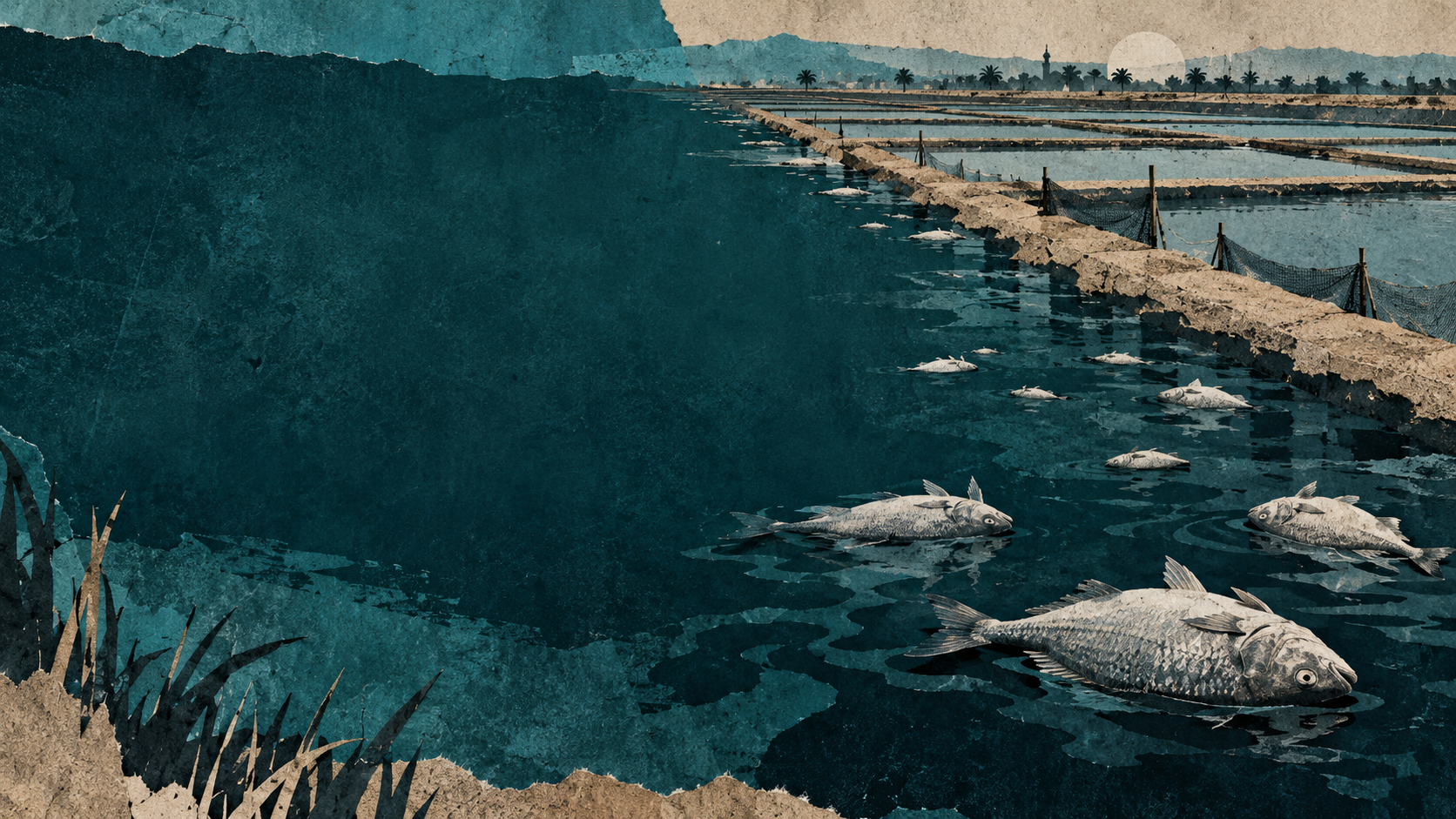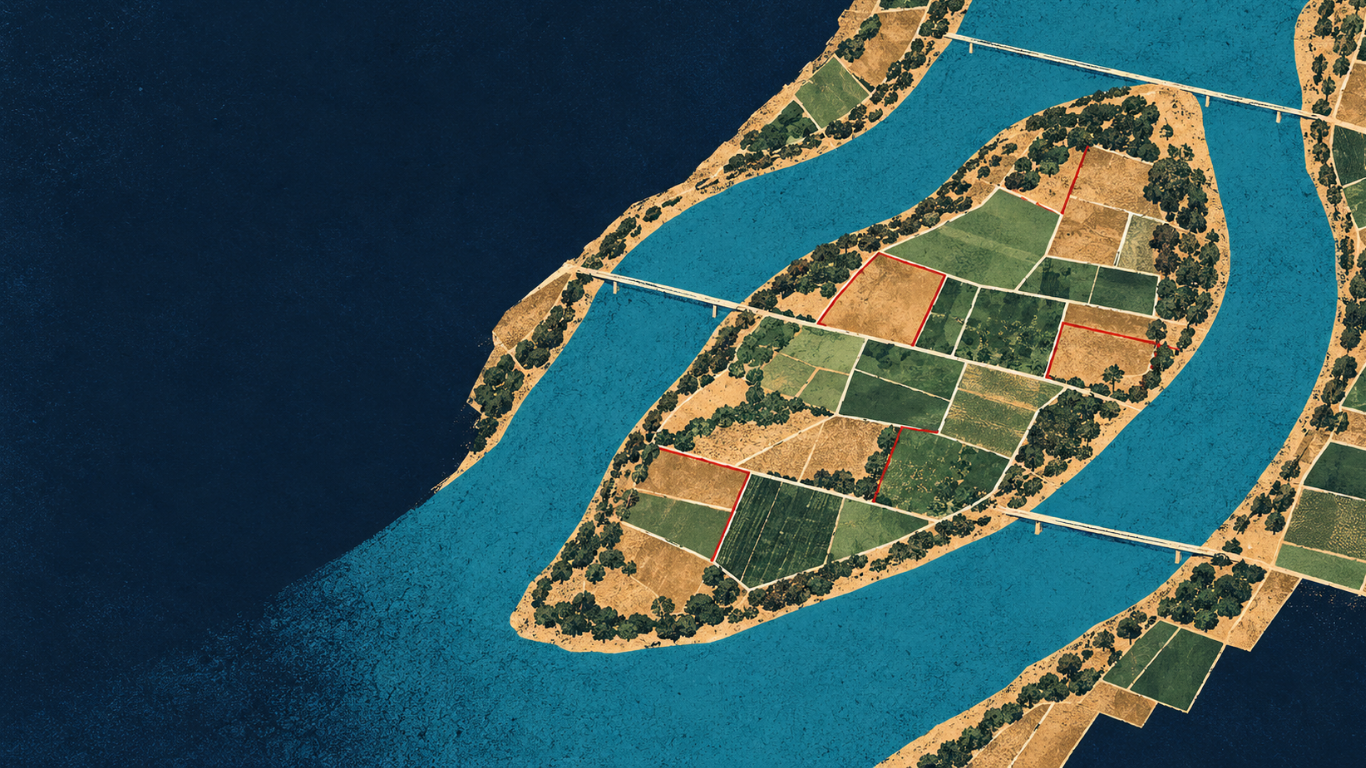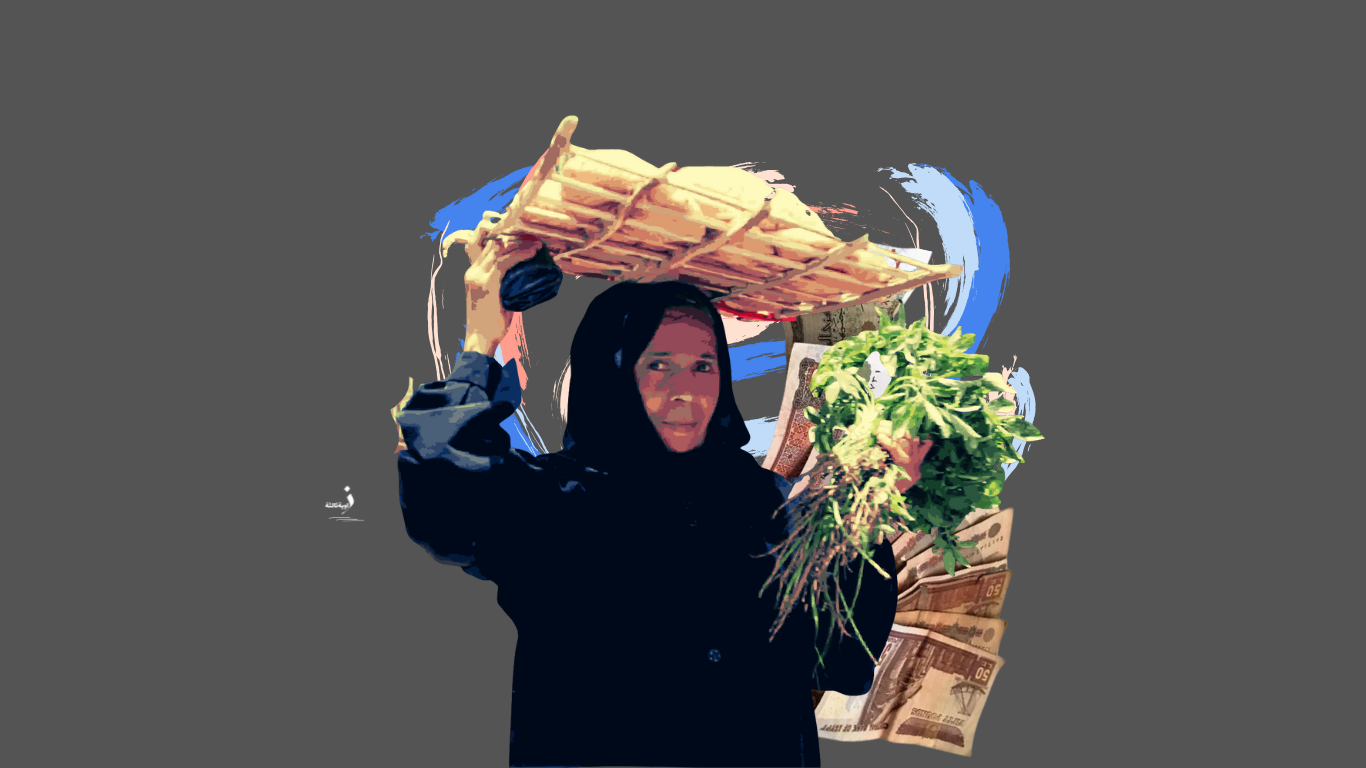


On the banks of the Nile, Aswan is marketed as an icon of Egyptian tourism and the gateway to the south. Behind that image, a worsening infrastructure crisis threatens residents and the environment. While visitors arrive at temples and islands, sewage floods streets and homes in Abu Al Rish, Al Karour and Al Sail. Repeated pipe failures have brought no lasting solution, and some villages still have no sewerage network.
The latest incident was a burst sewage pressure main in Al Karour in early January 2026, sending large volumes of wastewater towards homes. This was no isolated emergency. In 2016, the area experienced four pipe breaks in five months, flooding houses; another main burst in December 2017.
In July 2018, sewage again entered homes after the pressure main serving pumping station No. 11 broke. In October 2024, the same line broke for a second time within a week of being repaired, illustrating the limits of temporary repairs.
The latest crisis came months after Housing Minister Sherif Al Sherbiny held a meeting on 29 May 2025 to review Al Karour’s sewerage system. Plans covered pumping station No. 11, its pressure main and a 41-kilometre gravity sewer network, as well as changes to the station’s design intended to prevent breakdowns.
On 3 December 2025, Kamal Abu Halawa, chairman of the Aswan Water and Wastewater Company, and Yasser Abdel Shafy, the governor’s assistant for projects, inspected the station. Seventeen days later, a sudden pressure-main break interrupted water and sewerage services in several areas. Residents reported further failures between 6 and 9 January, demanding a permanent solution.
For residents, drinking-water and sewerage failures are an ongoing burden. Pipe bursts, particularly in Al Sail and Al Karour, repeatedly inundate streets and disrupt movement.
Hoda Abdel Galil, an Aswan community and charity worker, says drinking water mixes with sewage in some places, including Abu Al Rish, where water pipes lie close to cesspits. She says this deprives residents of clean water suitable for use.
When pipes burst or flash floods strike, she says low-lying homes suffer directly. Water covers floors, especially in mud-built houses or homes roofed with sheet metal or palm fronds, while brick-built homes can sustain damage to their foundations.
She describes tap water that sometimes appears yellowish or reddish, which residents nevertheless have to drink. She links previous cases of poisoning, deaths and serious illness requiring kidney dialysis to these conditions, and says official interventions and water testing have not resolved the problem. These are her account and attribution; the report does not independently establish a medical cause for those cases.
“Water and sewerage problems obstruct people’s movement through the streets, affect students and employees, and leave severe health damage, including kidney failure, intestinal infections and digestive illnesses,” she tells Zawia3, urging urgent action to protect residents and improve services.
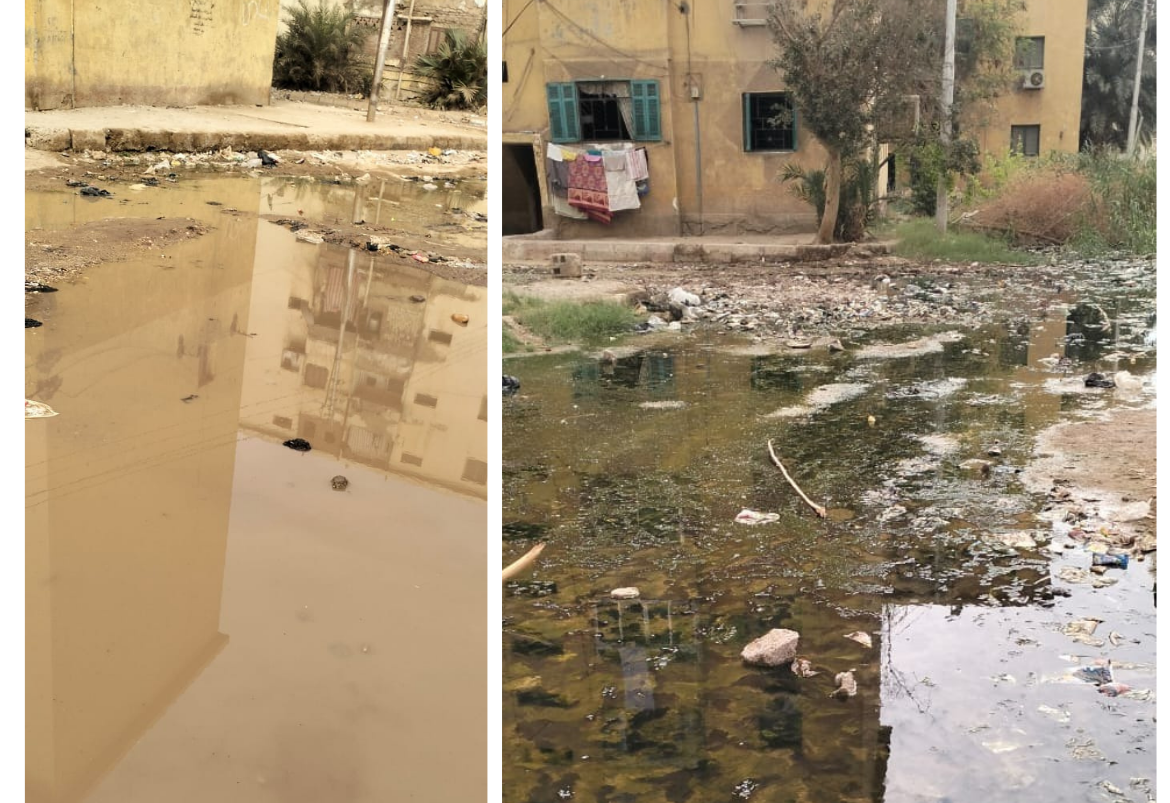
Villages without sewerage
Some Aswan villages, notably Abu Al Rish Qibli and Bahri, have no sewerage network at all. Their population is estimated at around 46,000. Residents depend on cesspits, and wastewater has leaked into streets and residential areas in recent months, according to resident Moamen Abu Al Makarem.
Abu Al Rish is included in Hayah Karima, the Decent Life rural development initiative launched in 2019. A contractor was announced to build a tertiary treatment plant in Al Kassara, in coordination with the National Organisation for Potable Water and Sanitary Drainage, on five feddans of land. Yet residents say they have seen no tangible construction. The Arabic report cites a daily capacity of 10.5 cubic metres; that figure’s scale or unit requires clarification and is not presented here as a verified plant capacity.
Abu Al Makarem says sewage has flowed for three or four months from cesspits in the hills of Al Shalbab through streets and homes, reaching the railway. Residents complained to the governorate, but he says officials treated it as a private dispute and asked neighbours to resolve it themselves, without effective intervention or reports against those responsible.
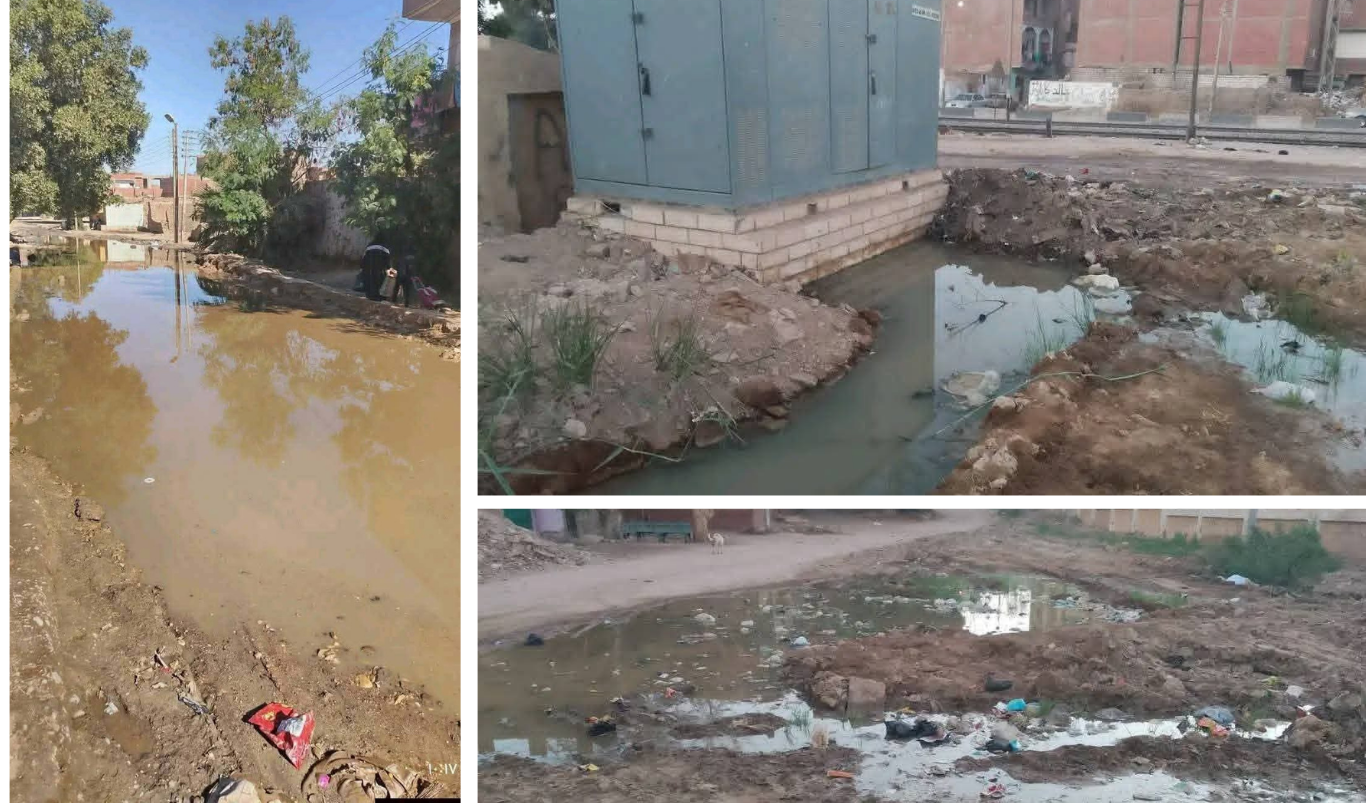
In Gabal Al Zalat, in Kom Ombo district, resident Al Shazly Abu Al Wafa Ahmed describes a similar absence of basic services. The sewerage pumping station is not working and household connections remain unfinished. Cesspits and stagnant water stand beside apartment buildings, the school and an electricity transformer, creating persistent health and environmental hazards.
He says residents also lack security services and public transport. A five-a-side football pitch is inactive, while the bakery has been closed for more than 11 months, forcing families to pay daily travel costs to obtain bread in Kom Ombo. An unlit access road runs beside an uncovered drain without protective barriers, which he says has contributed to repeated accidents.
He calls on officials to visit Gabal Al Zalat and see conditions for themselves, saying residents are being denied safe basic services and a dignified life.
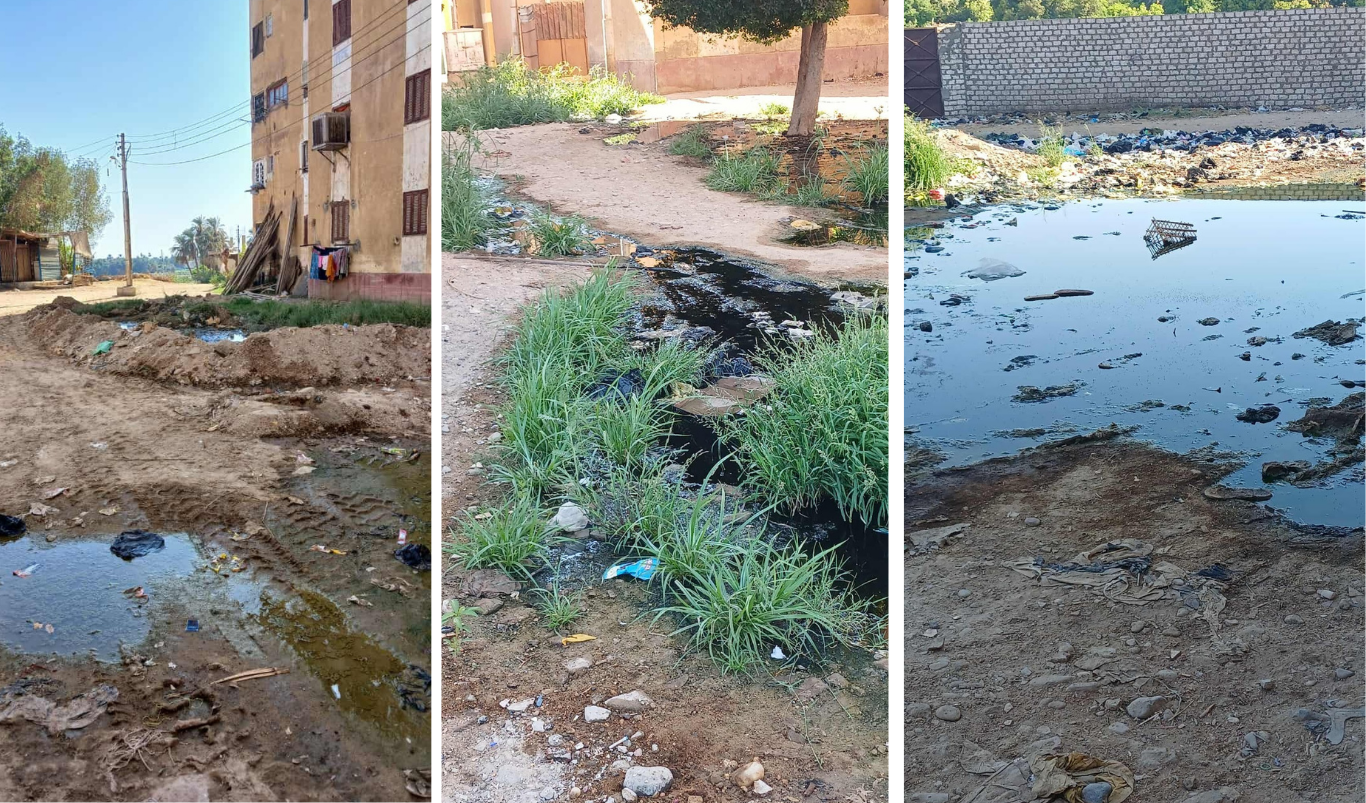
Ageing networks and allegations of corruption
Mohamed Kamal Al Hakam, secretary-general of the Misr 2000 party in Aswan, describes the crisis as deeply rooted. He says networks have not undergone genuine replacement or renovation for 50 to 60 years. Bursts occur almost daily, including on the Corniche, Al Aqqad Road and the airport road, which are usually prepared for official visits; poorer neighbourhoods face still worse conditions.
He attributes the situation to what he describes as entrenched corruption within the water company, alleging that a particular group continues to control management through successors even after some of its senior figures retired.
“Aswan’s residents suffer above all from sewage bursts and repeated pipe breaks, in summer and winter, particularly during rain and flood seasons,” he says, citing deteriorated networks and old pipes, including asbestos pipes that he describes as internationally prohibited. That description is his claim, rather than a statement that every country applies a universal ban.
He identifies the densely populated eastern district—Al Sail, Kima, Kima hamlets, New Al Sadaqa, Al Hakroub and Al Gezira—as especially affected. Streets in areas such as Ezbet Al Nahda are repeatedly flooded. He says the pressure main serving Al Karour’s station No. 11 burst twice in fewer than ten days, with repairs largely limited to temporary measures.
Al Hakam estimates monthly support from the holding company for wages at EGP 16–17 million, and monthly receipts from bills, pipe connections and meters at more than EGP 50 million. He also gives an annual revenue estimate of EGP 400–500 million, saying service quality has not improved accordingly. These are his unaudited estimates; the stated annual figure does not correspond to twelve months at the monthly amount he cites.
He alleges documented irregularities involving a contracts official who used loopholes in the electronic system to issue several meters while registering only one. He says oversight bodies established violations, and reports that an employee implicated in the case later died by suicide. Zawia3 does not independently establish those allegations or a causal explanation for the death.
He also alleges that inactive meters belonging to people abroad or properties closed for years were reactivated to serve new customers, producing unlawful collections. He says the Administrative Control Authority intervened and employees were held accountable or dismissed. These allegations are attributed to him; the company’s response to infrastructure complaints appears below.
The sewerage crisis coincides with rising groundwater in villages of Kom Ombo, north of Aswan. In Fatira, water has inundated streets and entered homes, some of which have cracked or collapsed. Residents interviewed by Zawia3 say the failure to bring the new sewerage network into operation has complicated the situation.
Groundwater floods Kom Ombo’s villages
Abdel Rahman Mostafa, a resident of Fatira Bahri, says groundwater has been rising since 2021, with water reaching roughly 30 centimetres above floor level inside homes. He dates the problem to a year after Hayah Karima work began in the village and says repeated complaints and social-media campaigns have brought no lasting solution.
He says neighbouring Al Hagandiya and Al Kagoug face similar structural damage, including collapsed houses. Officials recently began digging a groundwater extraction well on the governor’s and Kom Ombo council chairman’s instructions, but he says it has not fully addressed a crisis larger than the partial measures attempted so far.
Water remaining beneath homes for three or four years has caused collapses, he says. Many families are poor and live in red-brick or mud-brick buildings vulnerable to seepage. He says affected residents have received no compensation and requests for replacement units in state housing schemes have gone unanswered.
Mostafa says the water or wastewater company has not carried out extraction measures in the village, describing official activity as limited. He again calls for compensation and a durable solution.
Al Mohammady Ahmed, another Fatira resident, reports a sharp rise in groundwater over the past five or six years, coinciding with sewerage construction. The first stage, including pipes and a station, is finished, but the project has not begun operating.
“The groundwater does not only emerge from below; it spreads over the surface, flooding streets and homes. Some houses have been completely inundated, causing serious losses and the collapse of a number of homes,” he tells Zawia3.
He says governorate technical teams arrived during the preceding two weeks to dig an exploratory well and determine whether the water comes from underground seepage or surface sources. Tankers continue to pump water out and transport it away, but he says this has not resolved the underlying problem.
MP Reham Abdel Nabi, representing southern Upper Egypt for the Egyptian Social Democratic Party, says Aswan’s water and sewerage infrastructure is severely deteriorated. She acknowledges important Hayah Karima projects—schools, service complexes and youth centres—but says the sewerage projects residents most relied on remain incomplete. Most have not opened despite announcements more than a year earlier of completion rates above 90 percent.
Funding shortages and stalled projects
“The delay in bringing sewerage projects into operation is a real crisis,” she says. “The initiative began around six years ago, and its first phase was supposed to finish in only three years. Continuing like this raises questions about implementation efficiency and project quality.”
She criticises repeated failures in pipes installed just two or three years earlier, alleging corruption and poor workmanship by contractors using non-compliant materials and officials accepting work without enforcing technical standards. These are the MP’s allegations.
“Some areas, including Abu Al Rish Bahri and Qibli, still have no sewerage networks despite being in the heart of Aswan,” she says. “They depend entirely on cesspits that overflow into streets and homes. I have personally intervened several times to secure suction tankers, which are in short supply in the governorate.”
She says Aswan’s rocky, sandy and clay soils, together with long distances between villages and districts, create additional difficulties. Contractors can falter or stop work without effective mechanisms to compel completion.
The groundwater crisis in Fatira and Al Kagoug, she argues, reflects accumulated neglect and poor management rather than a sudden event. She says inadequate follow-up and delayed intervention have allowed damage to worsen until some homes collapsed.
Asked about replacement housing, Abdel Nabi says the governorate lacks the funding and resources to deal with the scale of the problems. MPs are pressing ministries and other authorities for budget allocations. She says Aswan’s tourism, agriculture, therapeutic tourism and industrial potential deserve better public services, and calls for public interests to take precedence over personal ones.
Responding to residents’ complaints, an official in the Aswan Water and Wastewater Company’s media department says Al Karour’s recurring sewage bursts involve the pressure main serving station No. 11. The main has not been formally handed over to the company and remains the implementing contractor’s responsibility.
Officials cite technical problems and divided responsibilities
The official says the company nevertheless sends its pressure-main maintenance department to coordinate urgent repairs with the contractor whenever a break occurs, to reduce harm to residents.
The disputed main was built approximately ten years ago, the official tells Zawia3. Outstanding technical concerns about construction and operating pressure have prevented formal acceptance.
Abu Al Rish, the official says, has no sewerage network and relies on private cesspits, placing it outside the company’s direct technical operating remit. Introducing sewerage there is the responsibility of the governorate and the National Organisation for Potable Water and Sanitary Drainage, as the implementing authority.
Al Sail is densely populated and has officially documented abundant groundwater, the official says. Company maintenance teams repair burst water and sewerage pipes and replace damaged sections. Sewerage is being introduced into Fatira Bahri, but groundwater falls under the Groundwater Sector of the Ministry of Water Resources and Irrigation. The company’s pumping there, the official says, is a community-service intervention rather than a statutory responsibility.
Under Hayah Karima, the national organisation builds sewerage projects, while the company operates and maintains them after formal handover. The official says the company has not yet received the vast majority of those projects, but still responds to emergencies in and outside initiative areas to minimise harm and maintain services.
An Aswan governorate official, speaking anonymously, says Al Karour’s sewerage crisis dates back to 2004, with repeated promises of a station that did not materialise. Approvals for a new station have recently been obtained, the official says, but rocky soil makes construction more complex and expensive; building and commissioning a station can take up to two years.
Some older networks were built without adequate regard to the terrain, the official acknowledges. Faulty gradients have contributed to blockages and bursts. The governorate is addressing these problems progressively and does not announce projects before completion, the official says.
The official also attributes some failures to residents putting solid waste and concrete into sewers, sometimes causing complete blockages requiring expensive replacement. The official says failure to empty cesspits regularly in higher areas allows wastewater to run downhill and damage neighbouring homes.
The official says Hayah Karima’s first phase in Aswan is nearing completion, covering three districts, and some areas are candidates for the second phase under the approved plan. Drinking-water coverage nationally is higher than sewerage coverage, the official adds, saying the initiative has improved both.
Aswan’s proximity to the Nile naturally contributes to high groundwater, the official argues. This cannot be eliminated entirely, but its effects can be reduced through collection wells, which are costly and require substantial resources.
The official acknowledges risks to some older buildings, especially mud-built homes exposed to prolonged seepage, but says those risks do not apply to every property. Residents have a right to complain, the official says, while arguing that some complaints do not reflect the full technical picture.
Aswan’s infrastructure crisis exposes a deep gap between official messaging and residents’ daily lives: a city promoted as a global tourist destination, while people confront sewage, polluted water and health risks inside their homes and streets. Repeated failures, delays in commissioning completed projects and divided responsibilities keep the crisis unresolved.
Explanations based on geography or residents’ behaviour do not remove the consequences of years of weak planning, inadequate oversight and neglected maintenance. The health and economic burdens fall most heavily on vulnerable communities. In a governorate with such tourism and human importance, safe water and sewerage are a test of development that provides security, dignity and equitable services.
How long will Aswan remain caught between postponed promises and unfinished projects, while residents seek lasting solutions that guarantee a clean environment, safe services and a life worthy of the city presented to the world as the jewel of the south?