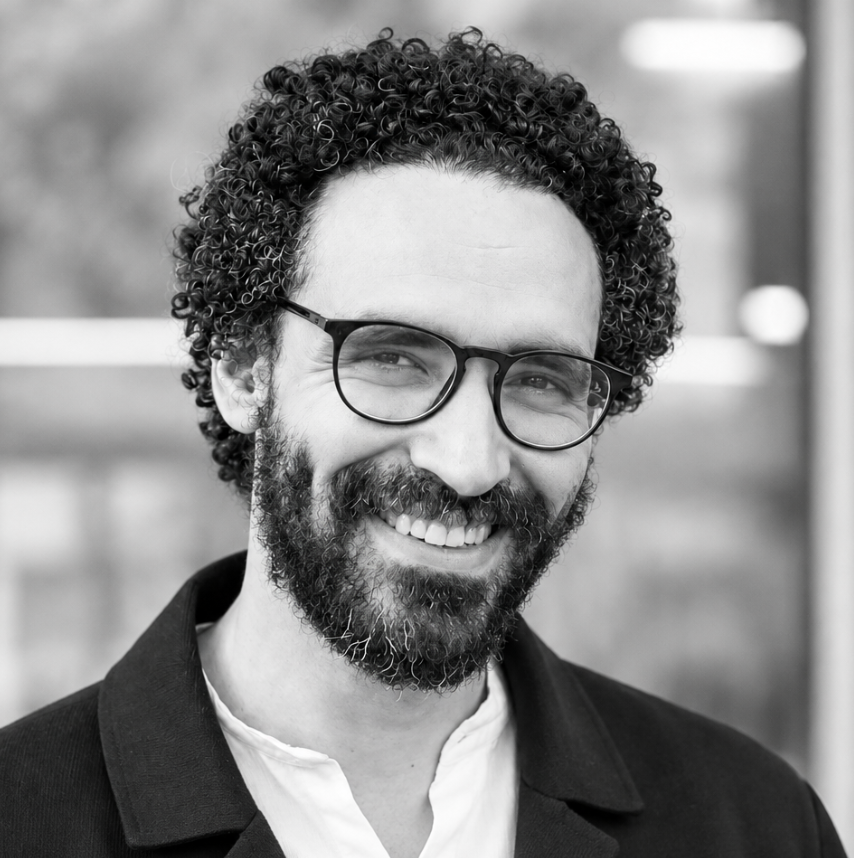

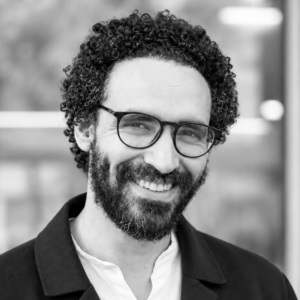

More than 30 organizations and political parties and 150 public figures demanded the immediate, unconditional release of poet Abdulrahman Yusuf Al-Qaradawi, detained by Lebanon on December 28, 2024 under a security-cooperation memorandum with Egypt. Their joint petition described a dangerous escalation of transnational repression used to settle political scores with opponents and rights defenders.
He was arrested returning from Syria under an Arab Interpol notice issued by the Arab Interior Ministers Council. The petition described charges of inciting state destabilization and false news as politically motivated and based on politicized Egyptian judgments, including three years for false news and another three for allegedly insulting the judiciary.
The signatories called detention an unlawful use of international security agreements against dissent abroad. Extradition to Egypt could expose him to persecution and ill-treatment, violating the Convention against Torture’s ban on transfer to a state where torture or cruel treatment is likely.
They demanded release, a halt to extradition, urgent international action and accountability for states exploiting cooperation against opponents in the absence of fair-trial safeguards.
A call for international action
The signatories said the case exposes repeated misuse of international security cooperation against expression and defenders. They urged pressure on states violating obligations and stronger international oversight of humanitarian standards.
UN rapporteurs criticize Egypt’s new asylum law
Several UN Human Rights Council special rapporteurs sharply criticized the new asylum law approved by parliament and awaiting presidential ratification. Their joint letter warned it could violate Egypt’s obligations and endanger refugees.
The law distinguishes regular and irregular entry, imposing up to a year’s waiting time for irregular entrants compared with six months for regular arrivals. The rapporteurs called this unfair because refugees often must enter irregularly to escape conflict and persecution.
Criminal penalties, including prison and fines, apply if applications are not submitted within 45 days of arrival. They warned that penalizing entry methods conflicts with the 1951 Refugee Convention.
Restrictions on basic rights
The letter criticized bans on political and trade union activity and restriction of religious practice to Islam, Christianity and Judaism, violating internationally protected civil and political rights.
It warned of absent explicit non-refoulement safeguards and exposure to forced deportation during lengthy processing periods. It demanded removal of entry-based discrimination and criminal penalties and express protection against return to danger or torture.
The rapporteurs called for transparent refugee-committee procedures, clear and fair criteria, and consultation with civil society and UNHCR.
Signatories included migrant-rights rapporteur Gehad Madi; disability-rights rapporteur Heba Hagrass; expression rapporteur Irene Khan; assembly and association rapporteur Gina Romero; religion rapporteur Nazila Ghanea; trafficking rapporteur Siobhán Mullally; and women-and-girls discrimination working-group chair Laura Nyirinkindi.
Special rapporteurs are independent UN Human Rights Council experts mandated to monitor specific rights areas. Special Procedures permit formal letters about laws or policies that may conflict with international standards.
Their role rests on treaty obligations, including the Refugee Convention. Reports or complaints can prompt requests for clarification or suggested amendments. Letters are not legally binding but carry political and moral weight, subject states to scrutiny and encourage reform. In Egypt’s asylum case, they acted to ensure national legislation conforms to international commitments.
Rights organizations submit recommendations before Egypt’s UN review
On December 17, 2024, 13 Egyptian rights organizations published a joint report on five years of worsening rights, offering government recommendations before January 2025’s fourth UPR. They had submitted it to the UN in July.
It described systematic abuses involving all state institutions and deepening political, economic and social crises. It examined criminalization of political participation, particularly the 2024 presidential elections and targeting of President El-Sisi’s rivals and supporters.
From November 2019 to mid-2024, it covered life and capital punishment, torture and disappearance, assembly and association, women’s rights and violence, sexuality and gender freedoms, Sinai, detention, refugees, displacement and repression abroad.
Government initiatives were described as empty efforts to whitewash the record. Recent measures legitimize and codify decade-long abuses, suggesting no genuine intention to reform.
First steps recommended included immediate suspension of executions toward abolition, ending arbitrary detention, improving prisons and changing laws used for retaliation and fabricated prosecutions.
Organizations demanded release of tens of thousands of opinion prisoners, an end to torture and disappearance with accountability, access for independent monitors and the International Committee of the Red Cross, an end to recycling and unsupported repetitive terrorism charges.
EIPR’s report reviewed civil liberties, justice, economic and social rights, women and gender equality, religion and rising moral authoritarianism.
It described a legal system restricting rights through protest, cybercrime and terrorism laws; preventive measures and pretrial custody extending detention of dissenters; and new cases added during custody to ensure unlawful continued imprisonment.
Political-party laws obstruct formation and participation, while security bodies interfere in parties, unions and other civil entities. The report cited violence and intimidation at the Engineers Syndicate general assembly last year.
On December 16, Amnesty International urged El-Sisi not to ratify Egypt’s first asylum law, approved November 19. It warned of further erosion of rights amid an ongoing crackdown on people seeking safety.
The law restricts asylum, lacks due-process safeguards and transfers registration and refugee-status determination from UNHCR to the government. It does not expressly prohibit forced return, amid mass arrests and unlawful deportations of Sudanese by police and EU-funded border guards.
Refugees Platform in Egypt warned that the law reverses constitutional and international obligations. Broad, unchecked government-committee powers invite abuse, excessive penalties criminalize even humanitarian assistance, and fair processing and appeal guarantees are missing.
Its statement pledged to seek suspension and renewed discussion with civil society and experts and accountability for those preparing or passing legislation threatening thousands of refugees.
Read Zawia3’s report: Protection or Restrictions? Widespread Criticism of Egypt’s New Asylum Law.
Prison conditions
El-Nadeem Center’s November oppression archive recorded 242 detention violations, listing 117 appearances after disappearance, 30 new disappearances, 20 recycled cases, 21 individual detention abuses, 12 medical-neglect incidents, four collective abuses and one death.
The Article 55 coalition expressed concern about rising November 2024 abuses despite local and international demands, reflecting policies contrary to the constitution and international standards.
The Egyptian Front’s June 2024 individual UPR submission focused on new prisons. Despite Egypt accepting all 2019 minimum-treatment and torture recommendations, prisoners still face ill-treatment, torture, solitary confinement, denied visits and healthcare. It offered 11 recommendations, including independent national detention monitoring.
On Tuesday, December 24, President El-Sisi pardoned 54 convicted Sinai residents, around ten days after ratifying military judgments against 62 civilians, including tribal figures, activists and journalists. They were prosecuted over largely peaceful demands to return to forcibly evacuated land.
Sinai Foundation welcomed a step in the right direction and demanded charges dropped against the eight others, including journalists, excluded from pardon.
Seventeen rights organizations condemned the December 14 military sentences of three to ten years as harsh and unjust. They described escalation against displaced people, denial of return and denial of ordinary fair courts.
The case began with an August 2023 Rafah sit-in after ten years of displacement during counterterrorism operations. The army dispersed it by force, arrested protesters and referred them to military trial.
Lawyer Mahienour El-Massry told Zawia3 the case involved grave violations from arrest through physical assaults in questioning and military referral, despite authorities’ promises and no barrier to residents’ return.
They were protecting not only seized homes but land generally amid Gaza’s genocidal war and Israeli assertions that empty Sinai could receive displaced Palestinians. Authorities answered with violence.
She said the regime sometimes issues judgments without considering their social costs. The pardon corrects part of a major wrong; the greater correction is returning residents to their land.
“A Prosecution without Complicity”: captive to authority rather than law
The campaign highlighted prosecutors’ violations and frequent role as a political tool rather than independent legal body, making accountability for torture difficult.
Absent political will, prosecutors fail to confront abuses seriously, threatening rule of law. Complaints are often closed before investigation; opened investigations can become performances while perpetrators continue unrestrained.
It said prosecutors avoid holding security officers accountable and close cases, implicating the justice system and eroding trust.
Despite oversight duties, rights reports describe ignored or superficial torture inquiries. The campaign recommended regular unannounced visits and serious investigation of every complaint to prevent recurrence.
Former April 6 spokesperson Mohamed Adel began a hunger strike on December 24 after being prevented from sitting his first public-law diploma examination, despite lawyers submitting the approved timetable and enrolment proof.
His lawyer complained to Mansoura’s advocate general against Gamasa Maximum Security Prison’s governor for deliberately failing to convene the Mansoura University postgraduate examination committee due December 23.
Adel also submitted a complaint from prison. Authorities had been formally notified and the faculty approved a prison committee, but none was convened.
Adel has been detained since June 18, 2018, when arrested at 6 a.m. leaving Aga police station after daily probation. Recycled twice beyond his first case, he received EGP 10,000 bail only in Aga administrative case 5606/2018.
He remains in Sherbin case 4118/2018 and Supreme State Security case 467/2020, both alleging knowing terrorist-group membership, financing and supplying information from prison. He also received four years with labour in South Mansoura appeal case 28334/2023, registered as Aga 2981/2023.
On December 23, State Security prosecutors released 19 defendants in 11 cases dating from 2022–2023, including 44-year-old Nasserist Party member Aida Mahmoud Othman.
Arrested at home April 27, 2023, disappeared for days and questioned May 2 in case 710/2023 for joining an unlawful group, she spent nearly two years in custody. EIPR called her release a belated correction of a wrong also harming two children deprived of their mother for 20 months. It urged faster, broader reviews, while terrorism judges renewed other political detainees for 45 days.
On December 10, State Security referred 65-year-old cassation lawyer and former National Council for Human Rights member Hoda Abdel Moneim to trial in case 800/2019, her third case on the same accusations.
EIPR condemned repeated punitive prosecutions without serious evidence over six years’ arbitrary detention. Arrested at home October 31, 2018, she faced membership and financing charges in case 1552/2018, the Egyptian Coordination for Rights and Freedoms case.
After over three years’ pretrial custody, an unappealable Emergency State Security judgment imposed five years for membership and acquitted her of financing. Instead of release on October 31, 2023, she was recycled into case 730/2020 with the same allegations. Renewals continued for more than a year, most recently December 9 by video conference.
Rights groups including the Egyptian Commission and AFTE demanded Marwa Arafa’s release after around four years away from her daughter, who developed behavioural problems linked to the arrest, autism and speech difficulties.
Security raided her home April 20, 2020. She disappeared for two weeks before appearing May 4 in case 570/2020, which includes over 40 defendants, mostly charged with terrorist-group membership and financing.
The commission described warrantless search and arrest, disappearance at Nasr City National Security, and visits limited to 20 minutes once monthly. AFTE reported months of untreated persistent bleeding.
Academic Laila Soueif approached three months on hunger strike for her son Alaa Abdel Fattah, who completed his five-year sentence. On November 19 she urged Prime Minister Starmer to call President El-Sisi for his release.
The Independent described the British-Egyptian mother sitting in Christmas cold outside Britain’s Foreign Office. She consumed only unsweetened green tea and rehydration salts, lost nearly 25 kilograms, and a government employee received daily health updates. Soueif, 68, began the total strike September 30 after authorities refused release.
Cassation lawyer Islam Abdel Meguid told Zawia3 inconsistent pardons and releases alongside new abuses are difficult to explain. Adel’s treatment violates prison regulations; authorities should have interpreted legal provisions in Alaa’s favour.
He sees no clear approach to expression cases, although referring cases such as Hoda’s to trial is preferable to indefinite pretrial custody in completed investigations.
El-Tantawy’s appeal rejected
The Save Free Expression campaign condemned rejection of Ahmed El-Tantawy’s cassation appeal, upholding a year’s imprisonment and five-year electoral ban in popular-endorsement case 2094/2024.
It described repression of peaceful opposition threatening free political choice and using courts to silence dissent in violation of international obligations.
El-Tantawy and campaign members were accused of forging popular endorsements before the presidential election. The initial one-year sentence was suspended pending appeal; appeal rejection upheld punishment against him, his director and 21 supporters.
The campaign demanded all charges dropped and El-Tantawy and lawyer Mohamed Aboul Diyar released after exhausting legal avenues, and an end to attacks on peaceful democratic activity.
AFTE’s legal commentary identified serious fair-trial problems. Intelligence reports offered no evidence of Brotherhood contact; fewer than 24 hours separated the endorsement call and report, insufficient to identify meetings, members and alleged plans.
Some arrests by the same officer in the same governorate were logged just 15 minutes apart despite distant locations. No prior judicial interpretation of the 2014 political-rights law established endorsement forms as electoral-process documents, undermining claimed knowledge of criminality.
On July 13, 2024, defence lawyers sought cassation of the May 27 Matariya appeal judgment and retrial before another panel. They argued denial of defence rights because judges ignored the central claim that Article 65 of Law 45/2014 did not apply: printed endorsements were not election-process papers. They also alleged inadequate reasoning based on unserious intelligence.
Security threats against journalist Rasha Azab
Rasha Azab said police threatened to arrest her mother to force an end to her Journalists Syndicate sit-in protesting deteriorating conditions and seeking media freedoms. She described the escalation as dangerous and unethical and vowed to continue.
Growing calls from unions and rights groups demanded solidarity and safety. Azab began an open sit-in on Monday, December 16, against harassment since October 7, 2023. Her statement described phone threats and exhausted legal remedies against Interior Ministry and National Security practices.
Syndicate head Khaled El-Balshy complained to prosecutors and the interior minister in November, demanding investigation and accountability, but no investigation had followed by publication.
On December 26, lawyers submitted a syndicate request to Central Cairo’s advocate general over her stolen car, National Security surveillance and stalled Qasr El-Nil complaint. Prosecutors had refused requests, prompting registered-mail delivery. The advocate general met defence members and referred them to the prosecution director, who registered electronic petition 1543 and requested follow-up.
The Egyptian Commission’s Save Free Expression campaign supported Azab’s demands and sit-in, condemning intimidation harmful to her personal, professional and psychological life. It urged security agencies to stop interference and investigate earlier complaints.
UN defender rapporteur Mary Lawlor criticized the intimidation campaign and demanded safety. On X she described disturbing reports of suspected agents monitoring and threatening Azab after peaceful Gaza-war protests.
Amnesty researcher Mahmoud Shalaby said surveillance and arrest threats for peaceful activity were shameful and sent a frightening message about publicly expressing dissent.
Journalist Sayed Saber remains detained
State Security prosecutors renewed writer Sayed Saber Sayed Salem for 15 days in case 6499/2024. Arrested November 26, he appeared on false-news charges. The Save Free Expression campaign linked arrest to his posts.
This continues renewed journalist arrests, including cartoonist and translator Ashraf Omar and Khaled Mamdouh.
The Journalists Syndicate’s sixth general conference, held December 14–16 under the “Palestine Session” title, issued recommendations on freedoms, legislation, the profession’s economy and future following panels and roundtables.
- Release all journalists and publishing and opinion prisoners, especially those beyond the two-year pretrial maximum, and stop new charges prolonging custody.
- Review and remove journalists from terrorism lists.
- Abolish custodial publishing penalties under the constitution, except incitement to violence or discrimination and attacks on personal honour.
- Implement constitutional freedoms of thought, expression, creativity, journalism and printing and remove legislative restrictions.
- Amend penal, counterterrorism, cybercrime and criminal procedure provisions according to constitutional principles and Supreme Constitutional Court rulings.
- Protect personal liberty and fair accusation, arrest and trial procedures in the new Criminal Procedure Code and relevant laws.
- Enact information-access legislation, a constitutional right stalled for more than ten years. Urgently study the conference’s preliminary draft and submit it to parliament, cabinet, media council, communications ministry and other bodies.
- Activate the media council’s constitutional and legal role against press and media monopolies.
- Unblock media sites and stop unjustified preventive or punitive blocking; require judicial orders.
- End security pursuit of website owners, managers and staff over content or licence allegations.
- Decide licence applications promptly, treating no response within 90 days as final approval and applying equal standards regardless of editorial policy.
- Apply Political Parties Law Article 15 to websites qualifying as newspapers under media law.
Digital freedoms
AFTE’s third-quarter report, “Escalating Violations: Freedom of Expression in Egypt, July 1–September 30, 2024,” recorded ten arrests over Facebook criticism of economic conditions.
The pattern was arrest, days or weeks of disappearance without family or lawyer access, then State Security questioning. Repeated charges include knowing terrorist-group membership, false news harmful to public security and using social media for false news.
Five July arrests entered case 3434/2024 over healthcare, prices and power cuts; some were questioned over a Telegram group calling for July 12 protests. Three female TikTok creators were arrested by morality police from July, accused of vice, indecency and violating Egyptian family values.
A December Egyptian consulate decision in Marseille requiring security review before issuing official documents to Egyptians abroad caused rights controversy. Legal advocates saw restrictions, surveillance and pursuit of opposition incompatible with diplomatic work.
Egyptians in France, Turkey, Qatar, Germany and Canada told Zawia3 such unannounced practices had existed for years and were used against opponents and defenders, with regular security reviews placing many under surveillance abroad.
Read Zawia3’s report: Egyptian Embassies Impose New Arbitrary Restrictions on Residents Abroad.
Restrictions on Syrian refugees
After Assad’s fall, rights groups documented dispersal of spontaneous celebrations on December 8–9 and random arrest of at least 30 Syrians in October 6 City, celebrating the regime’s end and thousands of prisoners’ release.
EIPR reported deportation orders for around three at First October 6 station and others held at Second October 6 and elsewhere pending immigration and National Security decisions. Some were released early December 12, but an unknown number remained.
Reports described prior security clearance alongside visas, ending exemptions for Syrians arriving from Gulf, European and American countries. Residence fees rose from EGP 2,100 to EGP 7,000. Some Syrians were deported over alleged associations threatening national security, according to September government statements.
Read Zawia3’s report: Residence Restrictions and Difficult Departures: Has Egypt Become Less Welcoming to Syrians?.
Assad’s December 8 fall revived Egyptian families’ hope of finding relatives disappeared in Syrian prisons. No comprehensive list exists, but Zawia3 documented 20 people.
Ali Hussein Mohamed Ali disappeared in 2004; Ramadan Ali Amer near Damascus in 2008, alongside Mounir Abou Saleh El-Shahat El-Derini, Gamal Mohamed Ahmed El-Badry and Hatem Fakih Abdel Gabbar, believed held at Saydnaya or Palestine Branch. Khaled El-Mahdy Mohamed Barakat vanished in 2012, believed at Mezzeh military prison.
Those arrested near the Syrian–Lebanese border in 2013 and listed at Palestine Branch include El-Husseiny Mohamed Fathallah, Mohamed Awny Abou Hegm, Ali Abdelrahman Ali, Ibrahim Hamdy Aboul Naga, Mohamed Abdel Ghaffar El-Sayed, Mostafa Mohamed Abdel Bary, Khaled Ibrahim Ali, Mohamed Ramadan Ibrahim, Hussein Said Abdel Motaleb, Ramadan Ali Mohamed, Ramadan Saleh El-Shahat and Khaled El-Mahdy Mohamed.
Abdel Qader Ali Radwan disappeared in 2015, believed held at Saydnaya. Ahmed Abdel Gawad Ali Ibrahim went missing in Jbeil, Lebanon, in 2020; relatives saw him in a video of people freed from Saydnaya.
Read Zawia3’s report: Egyptians in Assad’s Prisons: Will They Return after the Regime’s Fall?.
Human Rights Watch reported tens of thousands of refugee and asylum-seeking children out of school due mainly to bureaucratic registration barriers and unavailable public free education. It urged Egypt to remove barriers and international partners to fund education.
Al-Araby Al-Jadeed described severe hardship for wounded Palestinians, companions and families in El-Arish, North Sinai, after more than two weeks without basic services, particularly meals previously supplied by civil groups.
The Medical Liability Bill
The bill awaits House approval after passage by the Senate amid debate. The Medical Syndicate opposed prison penalties for errors without proven negligence and demanded approaches like other Arab laws requiring medical committee reports before punishment.
Its objections included Article 5’s requirement to record health and family history before diagnosis and treatment, which should exempt emergencies requiring immediate life-saving intervention.
Article 12 permits complaints to a high committee secretariat or offices without prejudice to litigation, creating multiple routes. The syndicate wants a unified technical body to determine error. Article 18 merely permits forensic authorities, investigators or courts to use a subcommittee report; it wants technically binding conclusions.
It also objected to Article 23 preserving harsher penalties in other laws despite committee findings. Articles 27 and 28 impose prison or fines for death or injury from medical error, with higher punishment for grave error or permanent disability.
The syndicate said the bill fails to distinguish an unintended error by a qualified doctor in a licensed facility, warranting compensation, from negligence by an unqualified, out-of-specialty or intoxicated practitioner, which may justify prison.
It rejected Article 29’s pretrial detention in professional cases pending technical reports. Doctors’ work, residence and syndicate are known, making such detention inappropriate; it demanded complete abolition in professional cases.
EIPR health-rights director and reform expert Alaa Ghannam told Zawia3 a law awaited for around 20 years is necessary but flawed. Medical errors concern civil rather than criminal rights. The prime-ministerial high committee, potentially including a prosecutor, should issue final determinations without prosecution referral.
Crimes such as organ trafficking or impersonating doctors remain under ordinary criminal law. Professional errors should bring suspension and compensation, paid through the government fund. He urged consideration of syndicate and civil-society concerns before passage.
Restrictions on subsidized infant formula
In early December, Egypt decided to reduce formula support to eight narrow categories: maternal death; severe kidney or liver illness; disease requiring radiation such as cancer; epilepsy; intensive care for at least three days; multiple births, with formula for only one child; AIDS; or mental or psychological illness. Millions of eligible mothers consequently lose support entirely.
Read Zawia3’s report: Egypt: Infant Formula Subsidy Cuts Put Poor Families in Crisis.
Women’s rights
In the first half of December, Edraak recorded three killings, including two unidentified victims: a woman in her twenties beside a rubbish bin in El-Basateen and a woman in an Aboul Nomros street. A girl under five from Manshaat El-Qanater was found with her throat cut in a food-waste dump. Perpetrators were unknown.
In the second half it recorded four beating and torture incidents causing three deaths and a severe injury. Two Beheira brothers tortured their divorced sister until her neck broke, claiming discipline. In Gharbia, a wife jumped from a third-floor flat to escape beating and was hospitalized critically. In Toukh, Qalyubia, a husband beat and burned his wife to death. In El-Maasara, an unemployed man beat his five-year-old niece to death for bedwetting.
Edraak’s first-half 2024 report recorded 34 deaths from beating and torture, 46 severe assaults causing bruises, fractures, burns or disability, including 30 by relatives, and 20 female bodies with signs of stabbing, strangling or torture and unknown perpetrators. Strangulation accounted for around 22.3% of killings, stabbing 21.3% and fatal beating 17.3%.
Tadwein for Gender Studies condemned the killing of 18-year-old Amira, married below legal age to her maternal cousin. He tied her up and electrocuted her while pregnant. It condemned child marriage and killing rooted in unjust social standards and rationalizations of violence as control.
Tadwein concluded the 16 Days against Gender-Based Violence on December 10, Human Rights Day, ahead of Beijing’s thirtieth anniversary. Edraak ended its “Break the Mould” campaign against stereotypes restricting women’s abilities, public and private participation and fundamental rights.
The Cairo Foundation concluded “Climate Justice for Women”, highlighting heat-related crop losses affecting diets and agricultural women, and increasing gender violence and child marriage as livelihoods collapse and stress rises.
The Egyptian Women’s Legal Assistance Foundation launched a digital “Beijing+30, Women Forgotten” campaign during local, regional and international reviews.
The 1995 Beijing Platform culminated conferences in Mexico in 1975, Copenhagen in 1980—which first recognized Palestinian women’s rights under occupation—and Nairobi in 1985.
Its 12 critical areas are women and poverty, education and training, health, violence, armed conflict, the economy, power and decision-making, institutional advancement mechanisms, human rights, media, environment and the girl child.
Rights groups welcomed parliament’s approval of Social Security and Cash Support Bill Article 34 suspending benefits for people convicted of FGM or child marriage.
Egypt still has no explicit offence of child marriage: current law criminalizes documentation under 18, while proving payment-based marriage as trafficking to punish parents is difficult.
The anti-FGM task force, including the New Woman Foundation, Tadwein, EIPR, Egyptian Women’s Legal Assistance Foundation, Egyptian Female Lawyers Initiative and the federation combating harmful practices against women and children, filed a complaint with Administrative Prosecution and the Medical Syndicate against Cairo University medical professor Ahmed Adel.
A Medicazone Instagram video contained false information encouraging FGM, violating Penal Code Article 242 bis A, amended by Law 10/2021, which punishes promotion, encouragement or calls for FGM even without resulting harm.
The New Woman Foundation launched “One Demand, One Law”, because protecting women is a priority, under its Diakonia-supported legislative protection project. It urged passage of the unified anti-violence law, aligned with national anti-violence, Women’s Empowerment 2030 and human rights strategies.
A feminist task force submitted the bill with MP Nashwa El-Deeb in this parliament, following an earlier attempt with Nadia Henry.
Executive director Nevine Ebeid told Zawia3 the foundation renews the campaign during the 16 Days to press for adoption. This year MPs, political supporters and Assiut civil groups participated, with gender-sensitivity training and specialized law-awareness sessions.
Rising gender violence and femicide make passage increasingly necessary. The idea has long existed among the National Council for Women and NGOs. A task force described as seven feminist organizations continues pushing, but the bill is obstructed like personal status reform and early-marriage criminalization. Ebeid said parliament suffers legislative paralysis on social laws.